


A question you have no doubt asked yourself, or others, at some point along your golfing journey. Most of us have always known golf balls to have dimples on them, but very few will be aware of why and how many.
You may have pondered about the answer but you may not be aware of its importance. Dimples aren’t used as a design accessory, they hold huge importance to the performance. There has been plenty of research and development gone into the construction of dimple patterns over the years.
Increases in distances, a more efficient ball flight and elevated heights are just some of the benefits dimples bring to the golf ball. We answer all your questions involving golf balls and impress below…
Background
It’s strange to think golf ball dimples didn’t used to exist. Golf balls were originally made of wood, which mean they were highly unlikely to be perfectly round either, and completely dimple free.
But, and here’s the fun part, the addition of dimples to golf balls wasn’t down to science or structured testing, it was actually an accident.
Yes, really.
Players simply found that older golf balls, with damaged surfaces, had more consistent flights than perfectly round new ones, so golf ball manufacturers began etching patterns onto the balls. Eventually these raised protrusions evolved to the indentations we see today.
Technology
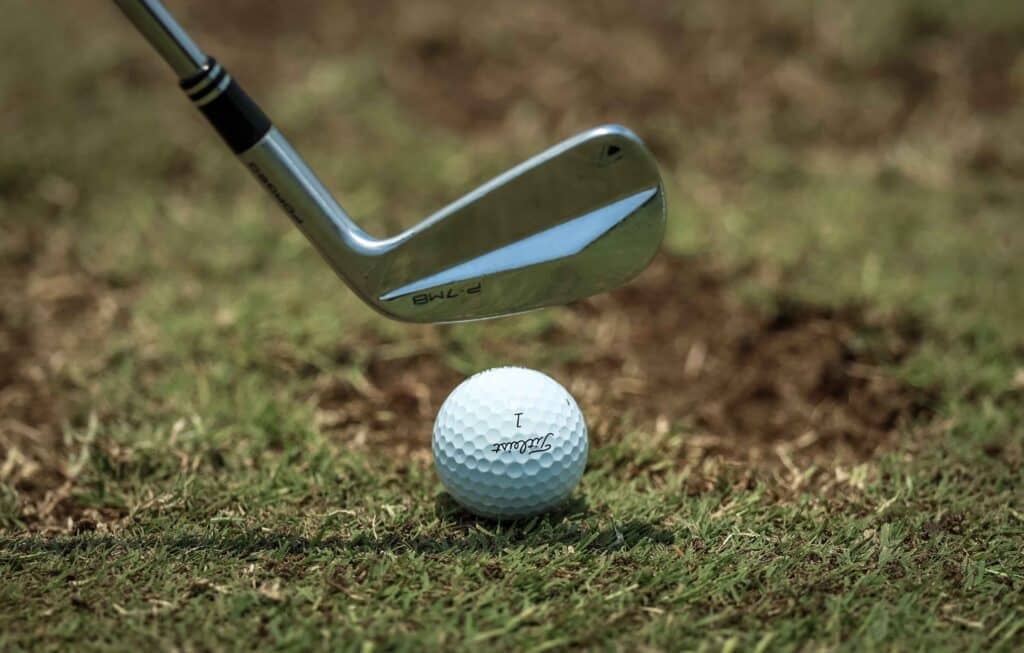
Nowadays the design of dimples is much more scientific. The uneven surface of the dimples are known to create turbulence next to the ball forming two layers of air which move at different speeds. This reduces drag helping the ball to travel further because of reduced resistance.
Dimples also increase lift, backspin imparts more lift on the golf ball as it increases air pressure below the ball. This is magnified by dimples helping the ball travel higher.
Advertisement
Essentially golf balls without dimples are much harder to control as they move through the air inconsistently because of how the air flows over the smooth surface.
The exact number varies depending on manufacturer and make but is usually between 330 and 500. Hence why the 566 dimples on the RB566 Mizuno ball caused intrigue. Dimple volume even varies within brands for examples the Pro V1 has 352 dimples compared to 328 on the Pro V1x.

There is no limit on the number of dimples a golf ball can have, with there being a recording of one ball having over 1,700 dimples. That may be quite an extreme example, especially considering it hasn’t caught on within the golf industry. But there is continual innovation happening within golf and golf balls may well become to have more or less dimples as in the norm in the future.
The Rules of Golf require dimples to be symmetrical to stop the ball wobbling or flying sideways as the ball spins. For example if there were more dimples on the left side of the ball it would have a bias to travel towards the left.
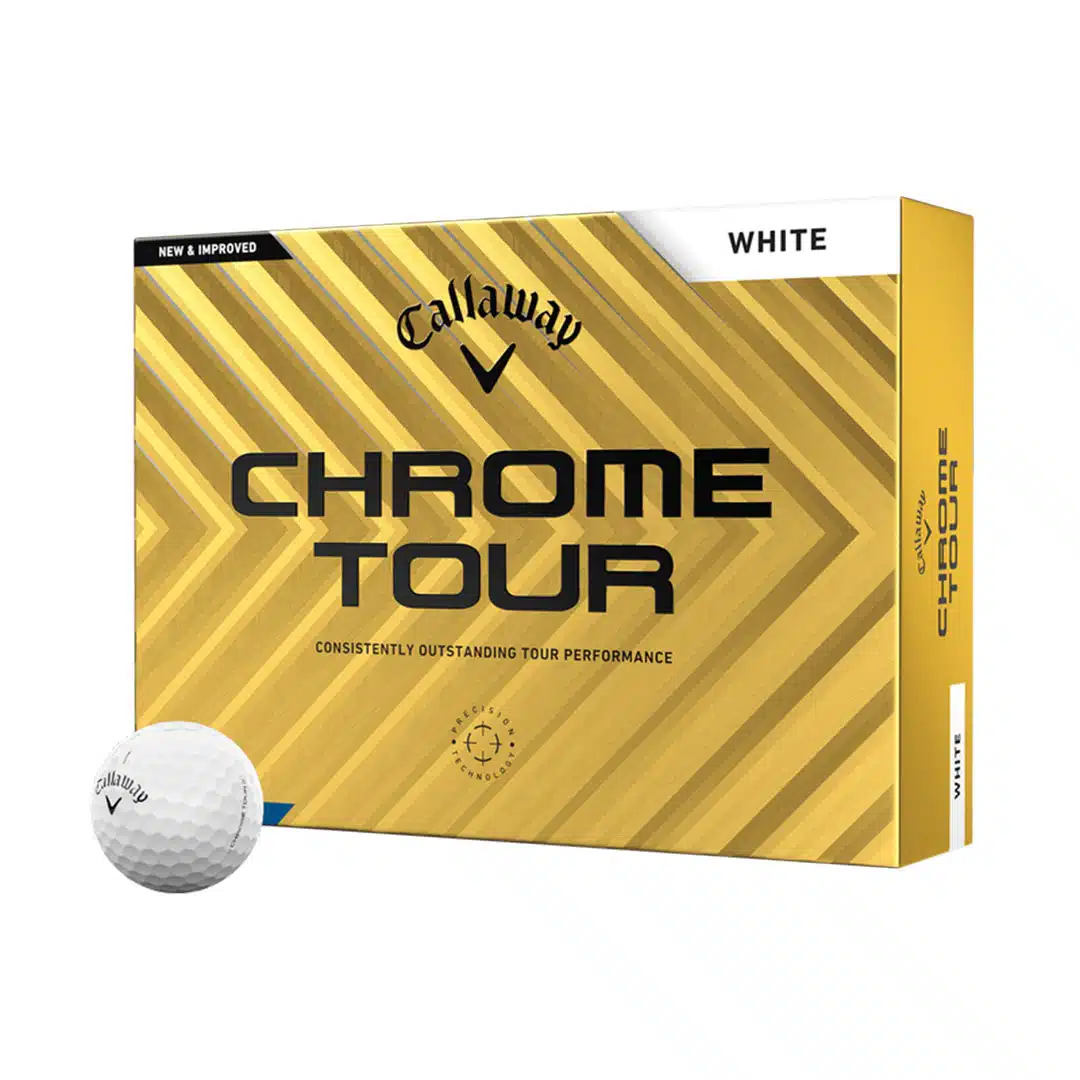
Size and shape of dimples also varies from ball to ball. In general they are round but brands such as Callaway choose to use hexagons instead.
Finding the optimal number of dimples for your golf game may take some exploring and prancing with different brands of balls. Although there is an indication and sentiment that the ideal number of dimples on a golf ball is somewhere in between 200 and 430.
What’s on offer?
As mentioned previously, different branded golf balls will posses a varied amount of dimples on them. Whether you like to play a traditional looking golf ball or a one with more funky and outlandish colour designs, dimples are still evident on all of them.
Like most golf ranges, the golf ball market is fairly extensive. There are golf balls for all abilities, one with more premium prices and those you wouldn’t mind loosing from a wayward tee shot.
We have selected a range of golf balls currently on the market below for you to check out what’s available for yourself.




If you have any more golf related questions you want answering let us know on X!
Advertisement