An architect’s view: Tom Mackenzie explains why walking is the only way to truly appreciate a golf course
Promotional Feature
Tom Mackenzie, it is fair to say, is not a big fan of buggies. “I thoroughly detest riding in a cart,” admits the world-renowned golf course architect.
As half of the totemic design duo Mackenzie & Ebert, who advise many of the most highly ranked golf courses on the planet, Mackenzie lives and breathes the passage of a golf course. And he believes the only way to do that is on foot.
“If I’m on site visits, I always choose to walk – unless there’s a very good reason not to,” he says. “I just think you have much more time to observe and reflect.
“That’s the same whether you are working or whether you are playing. You need time to reflect, really, and you need time to recover from your previous bad shots if you are playing!”
Golf is about experiencing the moment
We’re in a modern world that revolves around speed. Everything is fast and furious. Golf hasn’t escaped that call of progress.
So for some it’s about getting on and getting off. A buggy is the ultimate speed trap.
But for Mackenzie the game is one to be absorbed and ruminated over. It’s about collecting thoughts. It’s about experiencing the moment.
“You have the time to just look around. Everything happens so quickly when you are in a buggy,” he explains. “I think when you are driving something, you are also thinking about driving.”
He’s twice trekked 100 holes in a day – “that’s how much I enjoy walking and playing golf” – and considering how a course plays for the step brigade is an important part of how he views a new course design, or a renovation.
It’s a process that’s naturally trained by the eyes but also, in Mackenzie’s case, the feet.
“I’m of the era where you judged distances by eye. There weren’t lasers or even yardage books. It is more instinctive and that applies to being on site as well, although now you’ve got all sorts of tricks to help you be certain about what distances are.”
He adds: “I had a problem with my eye – I had umpteen operations – and everything is working again. But when you’ve got one eye, it’s really hard to see in 3D.
“You lose the appreciation of all the soft undulations. At that point, I trained myself to listen to what my feet were telling me – not in an Aim Point way – but just so I could feel from the outside of my feet or on my toes or my heels.
“That’s part of the sensory package I use to assess courses.”


How does walking influence golf course design?
“It’s very site specific,” he adds of designing layouts with walking in mind. “If you’re doing a new course at some sites you might say, ‘you could definitely build a course on this land, but you won’t be able to walk it’, so it would be a buggy course.
“Sometimes you might have a shuttle system to get people from one place to the next – if there’s a huge change of elevation.
“You’re also thinking about wear and tear – where people are walking, where obstacles are, and the wear points. Your design needs to be maintained to the highest possible standard. If you’re designing stuff that really makes that pretty much impossible to do, then you’re not doing your job properly.”
If there is a golf course that sums up what Mackenzie means, it might be his home club of West Sussex – the challenging heathland that stands firm as a two-ball outfit, despite the eternal debate about whether to accommodate more.
“The point I make is that it was designed for walking,” Mackenzie says. “It was designed for foursomes, so that the whole course is very compact. You flow from one green onto the next tee, hole after hole, and that allows golf to be walked very efficiently.
“But it’s pretty disastrous if you want to play fourballs, because you just end up with these little areas where there’s so many people accumulating around footpaths and so on.
“The approach to design has a real influence on how walkable courses are.”
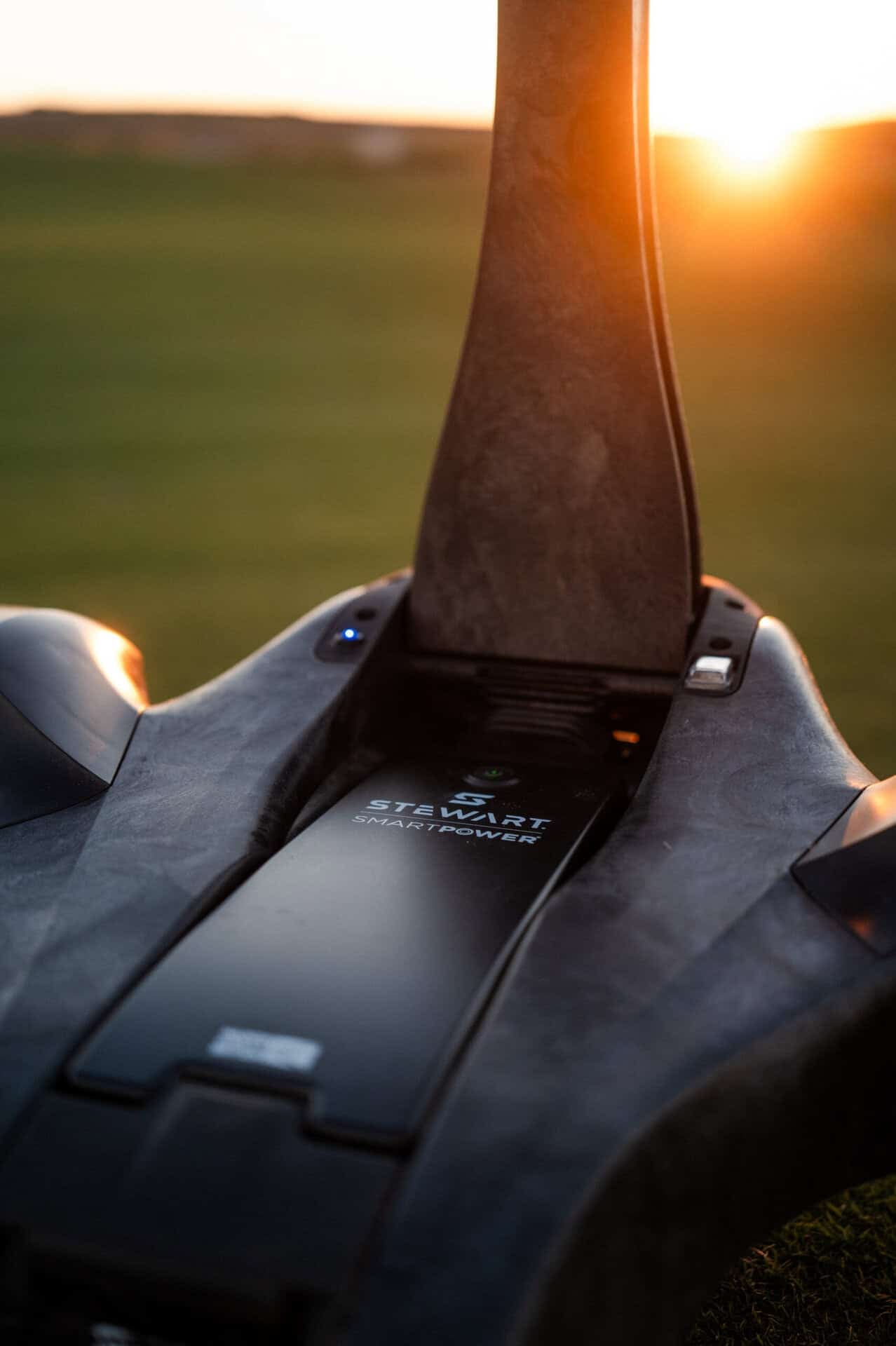
Stewart Golf
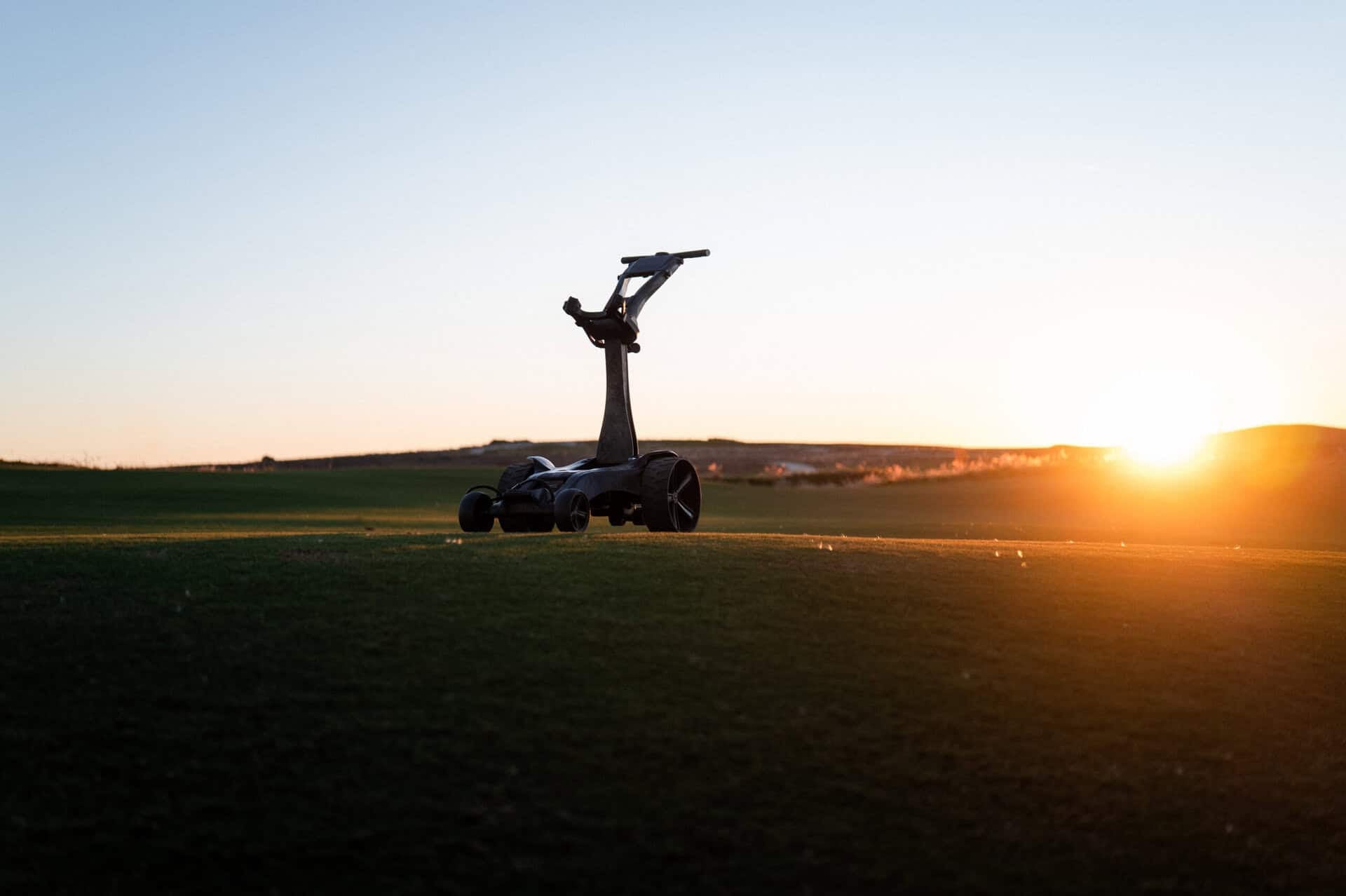
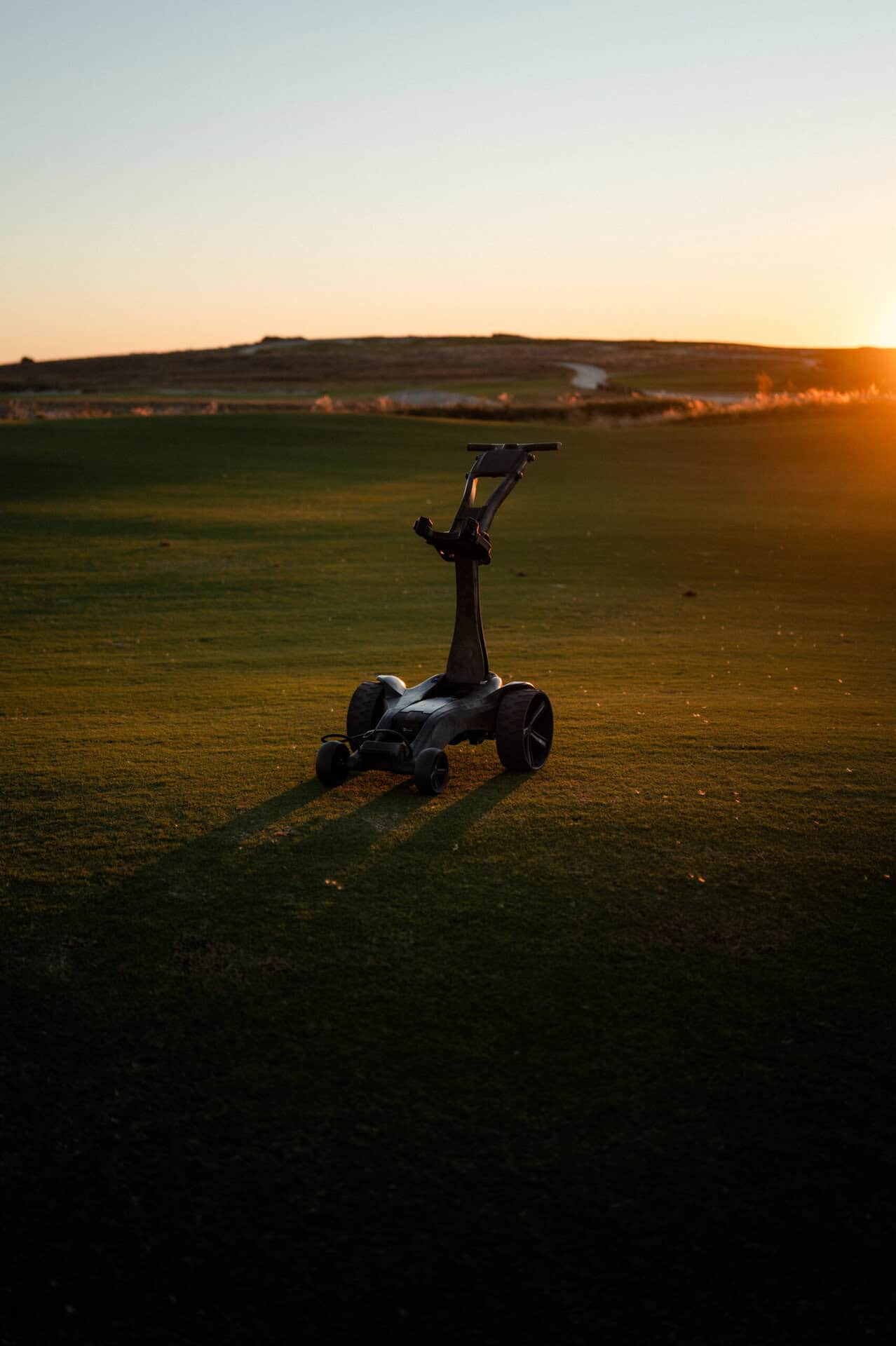
For over two decades, Stewart Golf has been transforming how golfers experience the course, focusing entirely on engineering the ultimate walk. Hand-built in Great Britain, these premium electric trolleys allow passionate players to stroll the fairways completely hands-free, letting them focus on their game just like a tour professional. By removing the physical strain of carrying or pushing, Stewart Golf ensures that walking the course becomes a pure pleasure, allowing golfers to truly immerse themselves in every step of the round.