Why walking is good for your golf course
Promotional Feature
Burnham & Berrow course manager Liam Pigden explains how walking can reduce concentrated wear and support healthier playing surfaces.
Every round of golf puts traffic across the course, and for greenkeepers the challenge is not just how much traffic there is, but where it goes.
Greens, approaches, walk-off areas and natural pinch points all come under pressure during a busy day’s play. When the same areas are used repeatedly, the impact can build quickly: turf becomes worn, soil can compact and recovery becomes harder, particularly during wet or cold periods when grass growth is limited.
That is why walking the course can make a difference. By helping traffic move more naturally across the landscape, it can reduce pressure on vulnerable areas, support healthier playing surfaces and limit the amount of repair work needed.
Over time, that can also mean lower inputs, with less reliance on seed, fertiliser, water and machinery to bring damaged areas back into condition.
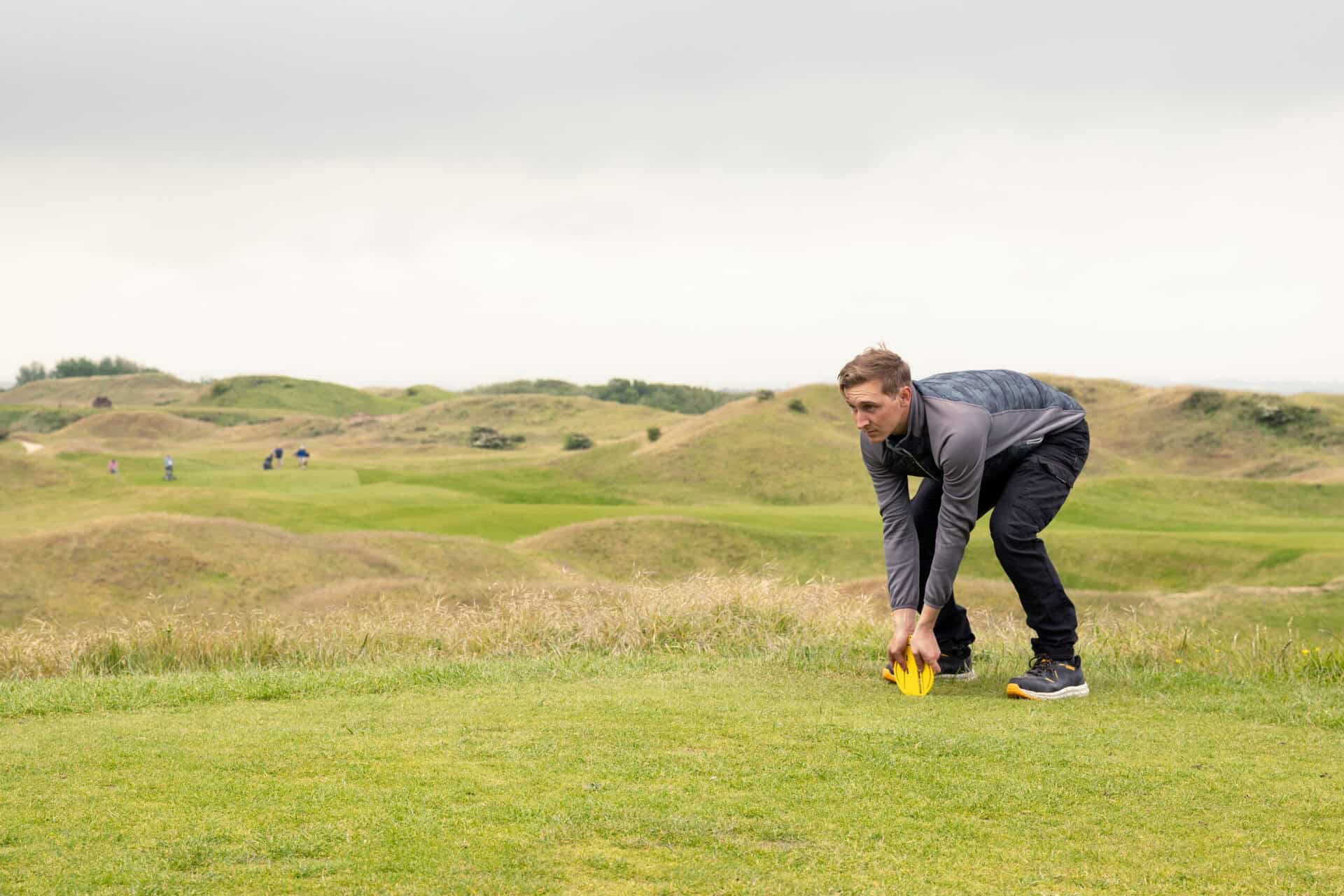
What is the impact of traffic on the golf course?
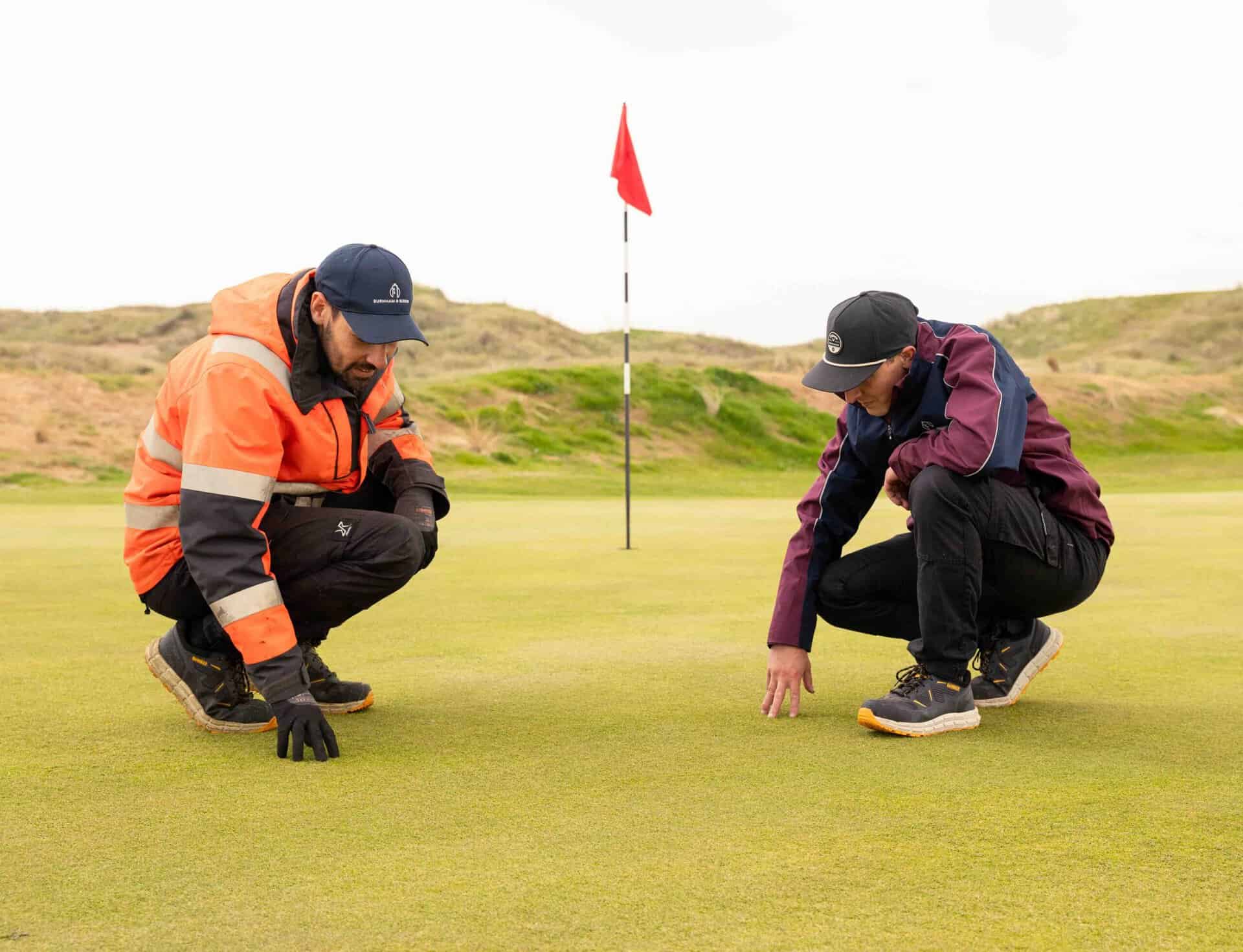
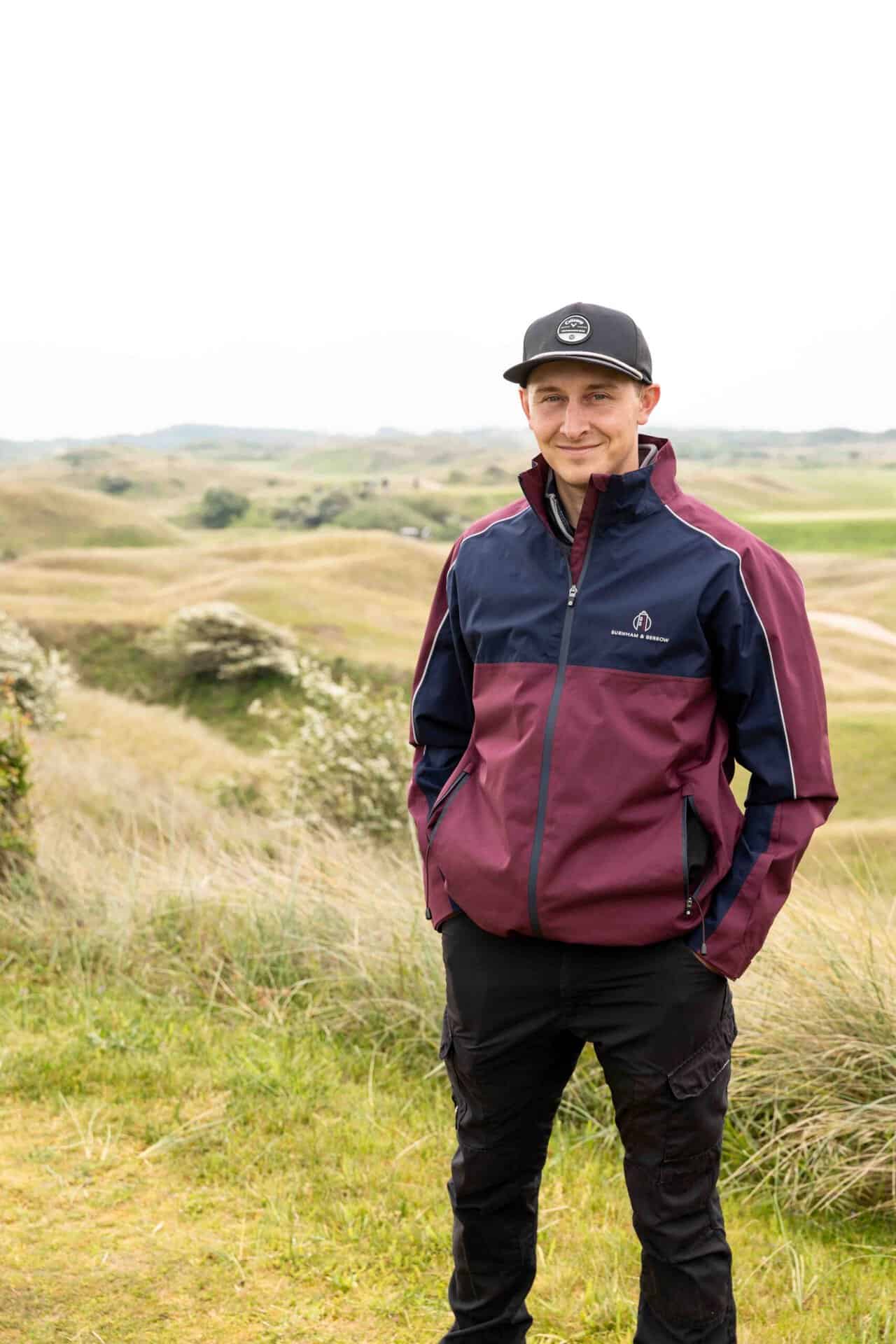
At Burnham & Berrow, one of the UK’s top 100 courses, Course Manager Liam Pigden sees the impact of traffic management every day. His view is that reducing concentrated wear is one of the simplest ways golfers can help protect the course.
“The main benefit of walking from my perspective as a greenkeeper would be less wear and tear on the golf course,” he said. “If you’re reducing compaction and reducing the concentrated traffic, it’s going to improve the turf overall health.”
Compaction is a major issue for turf managers. When the same routes are used repeatedly, the soil can become tighter. That reduces air movement, affects drainage and places more stress on the grass plant.
Those issues are often most visible around greens, approaches, walk-off areas and other natural pinch points. Once those areas become worn, greenkeeping teams may need to repair, overseed or protect them.
“When you’ve got better turf health, you’re going to be reducing the need for maintenance,” Liam said. “You’re reducing the need for nutrition input and seed input, because if you’re getting areas that are constantly worn, you then have to come in and overseed, or fence off areas and rope off areas.”
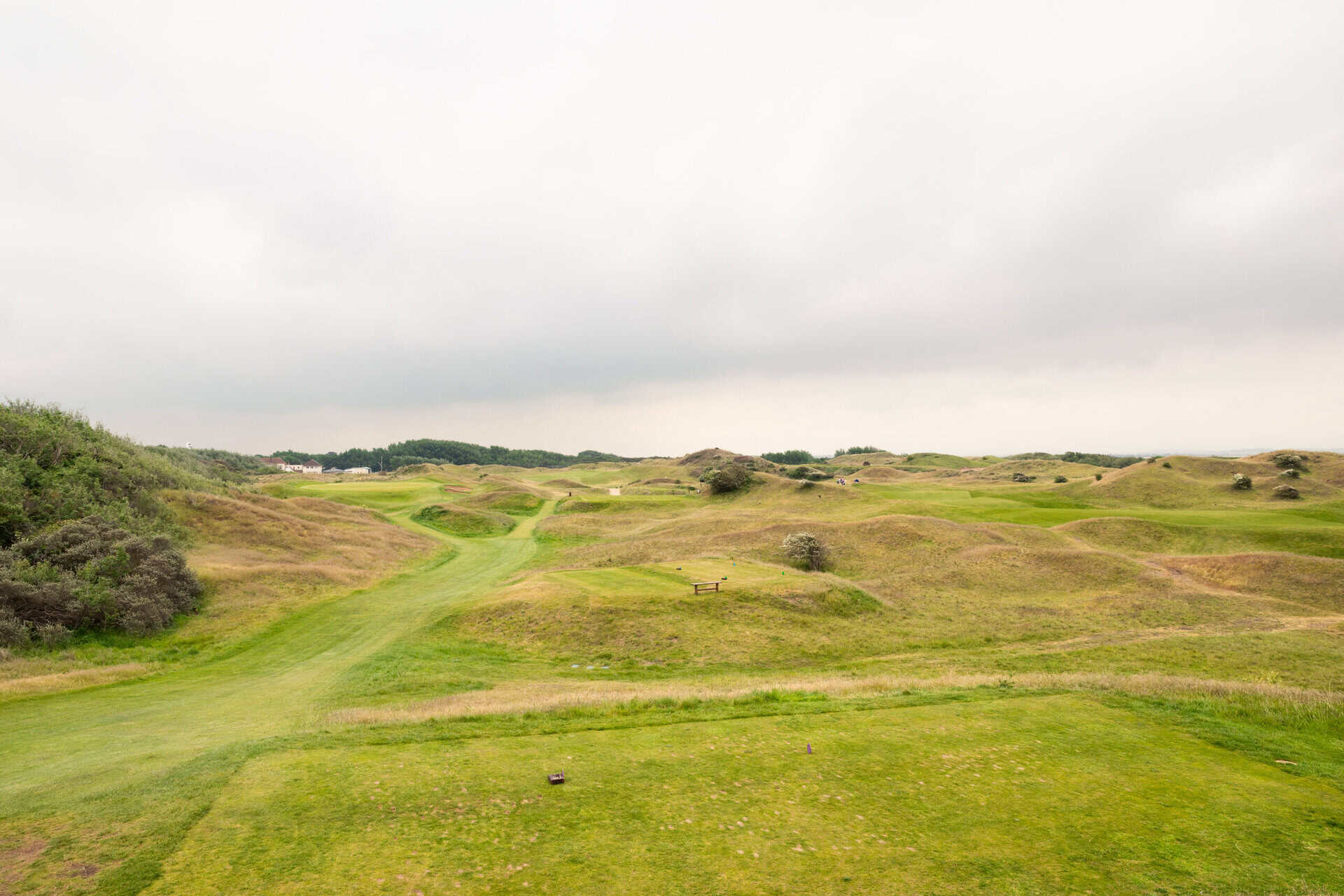
What does this mean throughout the year?
The impact is felt throughout the year, but particularly in winter. With lower temperatures, shorter days and limited growth, turf cannot recover as quickly. Damage caused during wet or cold periods can remain visible for longer and may affect course condition heading into the main playing season.
“In the winter, when you’re not getting the recovery, that’s the kind of time when traffic can do the most damage,” Liam said. “If you can reduce that, particularly in the winter months, you’re going to have much better condition playing surfaces coming into the actual golfing season as well.”
Presentation is another important factor. Golfers may not always see the work that goes into protecting surfaces, but they do notice worn areas, ropes, traffic lines and damaged approaches.
A course with fewer scars and less visible wear will usually look cleaner and play better. That is important for members, visitors and clubs that want to present the course at its best.
“A golf course that hasn’t got wear marks or damaged areas, or areas that are having to be roped off because they’ve been overseeded, just looks a lot better from a presentation perspective,” Liam said. “That’s great for members, great for visitors and particularly if you’re a club that’s looking to impress.”
There is also a clear sustainability benefit. Healthier turf generally needs less intervention. Where grass coverage is strong and damage is limited, greenkeeping teams may be able to reduce the resources needed to repair worn areas.
“If you have less turf damage, ultimately you’re going to require less input from fertiliser, seed, water and machinery use,” Liam said. “All of those things being reduced are great environmental benefits, which is what everyone tries to look at nowadays — trying to improve sustainable use of products.”
Walking also helps golfers experience the course more fully. It gives players more time to see how holes are shaped, how the ground moves and how conditions change from one shot to the next.
“I think if you’re walking, you spend more time looking at and taking in the environment,” Liam said. “You see more of how the course moves, you take in more of what’s around you, and you get more of the full experience.”
That is part of what makes walking such an important part of golf. It is good for the player, but it can also be good for the course.
Stewart Golf
For over two decades, Stewart Golf has been transforming how golfers experience the course, focusing entirely on engineering the ultimate walk.
Hand-built in Great Britain, these premium electric trolleys allow passionate players to stroll the fairways completely hands-free, letting them focus on their game just like a tour professional.
By removing the physical strain of carrying or pushing, Stewart Golf ensures that walking the course becomes a pure pleasure, allowing golfers to truly immerse themselves in every step of the round.