

For golfers who watch their tee shots veer out to the right on one too many occasions, the thought of a draw-biased driver can have quite the appeal to it.
Plenty of golfers suffer from an over exaggerated left-to-right ball flight, known as a slice. Its such a common problem that golf club manufacturers have been busy developing anti-right driver models to try to counter it.
These are drivers that are designed to stop this left-right ball flight by helping the club face close more easily through impact.
But, is this really the case? Do draw-biased drivers actually help to correct these mishaps off the tee? Or is it more of a fundamental golf swing problem that can only be rectified with a golf lesson?
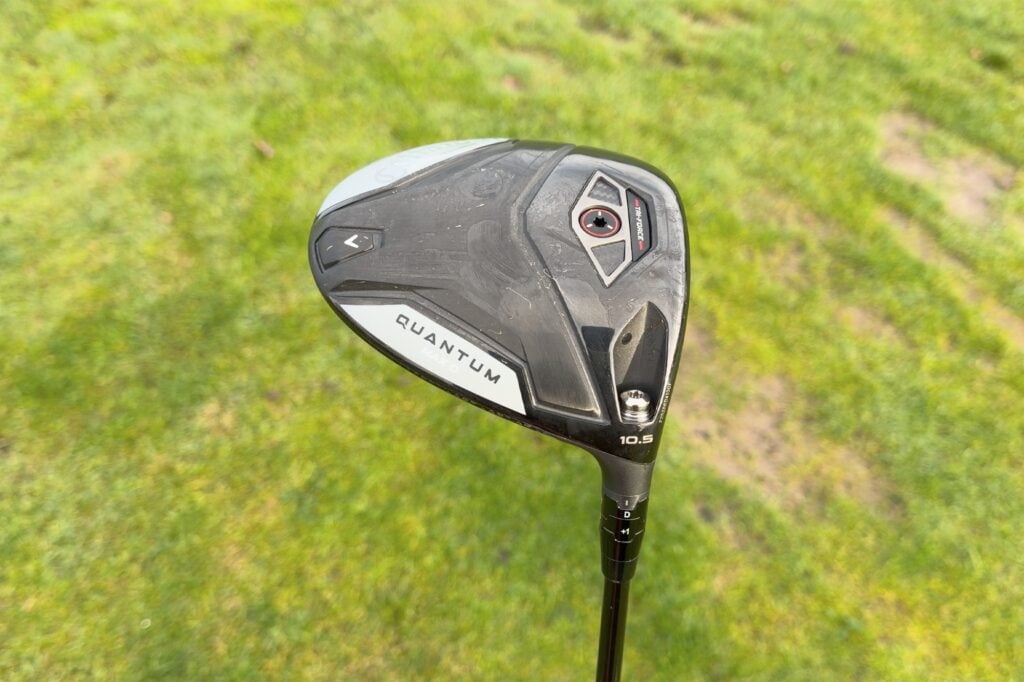
Speaking on the Your Golf by NCG podcast, PGA Professional and golf coach Jack Backhouse revealed whether draw-biased drivers are the real deal.
He spoke about whether they influence the curvature of tee shots or not.
- RELATED: Is this the best value electric golf trolley for 2026?
- RELATED: Is the blade putter dying on tour? The rise of the mallet
- RELATED: Motocaddy launches three new electric golf trolleys for 2026
“100% (they help),” he said. “The fairest test to measure the draw-bias drivers is what seeing the first ball does.
“If I warm up and I am using my neutral faced driver, the first shot with a draw-bias driver goes 60 yards left. After that my brain starts to adapt to figure out how to hit that straight.
“The first swing, the first shot you have with a draw-biased driver after using something more neutral is radical in how far left the ball goes.
“So, I have absolutely no doubt that the anti-right drivers work.
“If you’re a slicer, you’ve got a left club path. Although the club can’t change that, what it can do is square the club face up for you. The squarer the face is to the path, the less curve.”
By shifting the centre of gravity towards the heel, manufacturers encourage the toe to rotate more easily through impact, helping the face close relative to the path.
Advertisement
“So it is all in the shape of the (club) head and the centre of gravity (CG),” he added. “The CG is more towards the heel which allows the toe to swing in more. They can also design a face so it looks like the ball is going to come off towards the left.
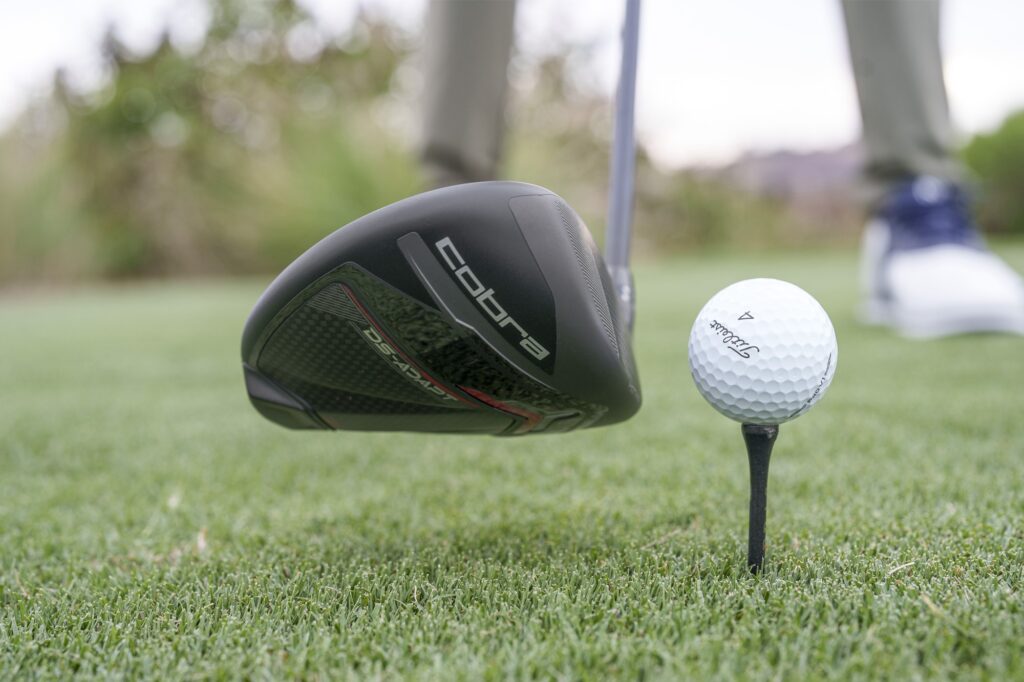
“The Cobra, for example, is an absolute frontrunner for me in terms of draw-bias drivers. I stand over that and it looks like its going left to my eye.
“The way the head shape sits, the face is looking left.”
Whilst this technology can help to get the ball into play more effectively, it isn’t all sunshine and rainbows. There are concerns to how it can negatively impact other parts of driver performance.
“With my coaches hat on, I don’t like it (draw-bias drivers),” Backhouse admitted. “People will have this one club in the bag that is going left and then the next club down doesn’t have that same amount of anti-right.
“One might go straight and the next one is going to go out to the right.
“I don’t love it. I do think people are reliant on it.

“Saying that, if 90% of golfers don’t take lessons and don’t work on their game then it makes total sense to get a draw-biased driver.
“I don’t think its optimal in terms of maximum ball speed. The neutral impact heads will go further.
“But, again it comes back to how many balls can you put in play with your driver. If you could hit 14 tee shots that went 200 yards in play that would be better than 10 tee shots that go 230 (yards), but two of them get lost.”
Don’t forget to check out and like our YouTube channel – YOUR GOLF NCG – where you will find lots of hints, tips and equipment reviews.
Advertisement