


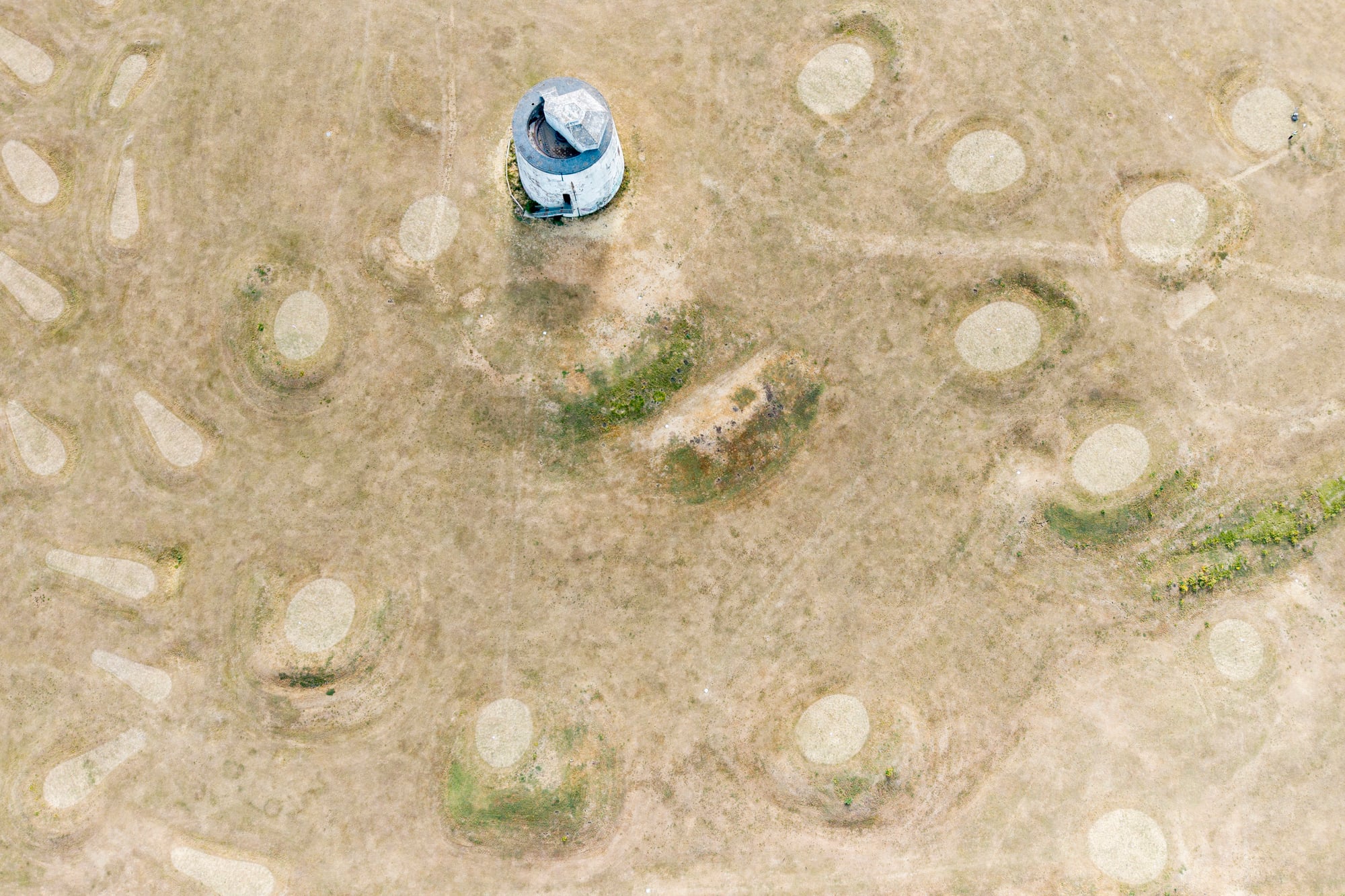
Golf clubs are under mounting pressure to secure their water supplies after this year’s drought across swathes of the UK put greenkeeping teams under major stress.
Speaking on The BIGGA Podcast, association chief executive Jim Croxton said the series of summer heatwaves had been part of a “very tough year for greenkeepers”, with some courses down to the last few drops of water in their reservoirs.
With extreme weather now “normal”, and the spotlight shone on venues like golf courses that are perceived to use a lot of water, he said the industry needed to tell people about the positive role golf plays in the wider economy and community.
“We’ve got to educate the public so they don’t see any greenness on a golf course in a drought year like this as some kind of crime’, which is why we have to educate that golf courses are good users of water.”
Met Office figures have provisionally put this summer as the hottest on record in the UK, with the “infamous summer of 1976” now sitting as the “seventh warmest on record with respect to mean temperature”.
At the end of July, half of England was declared in drought by the Environment Agency.
The government said July had seen just 7% of expected rainfall, falling to 1% across Southern England. On the back of a very wet winter, Croxton told the podcast it has been a “difficult year”.
“In general, if greenkeepers have to choose between too much water or too little, they would take too little but it’s got to extremes this year,” he said.
“I’ve been and visited a lot of golf courses and a lot of people are really on their last few drops of water in their reservoirs, or they’re maxing out their abstraction amounts for the year.”
Advertisement
He added: “[It’s] that balance between trying to keep a grass plant alive, around putting surfaces in particular, and understanding how you’re going to manage and husband your water.
“For those that have got a restricted source – there are clubs out there that I know are really suffering, people that have perhaps got new turf this year that is just not surviving.
“So far it’s not been a year full of heartache and tragedy, with people losing their jobs and having major mental challenges, but I know it’s been a very tough year for greenkeepers.”
Asked how BIGGA could support its members given the likelihood of such extremes continuing in the future, Croxton said: “Our role has always been, first of all, to get our members together and support them and help and listen to them and we continue to do that.”
“Our job is just to try and make sure that greenkeepers have the knowledge and the skills and the experience to handle these situations,” he added.
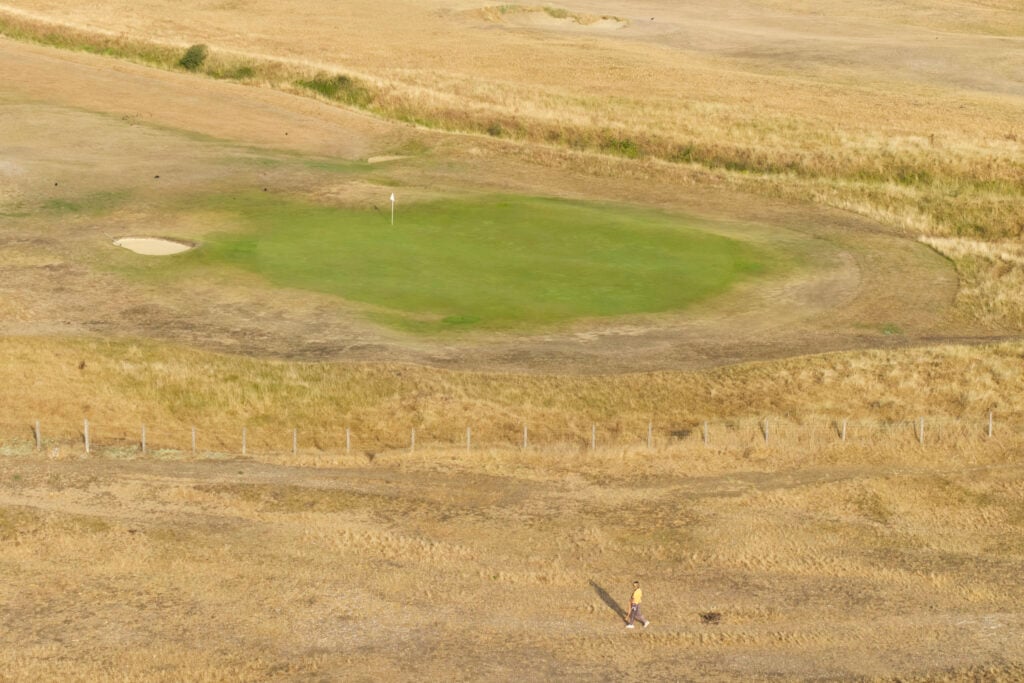
UK golf drought: Why clubs need more resilient water supplies
With many counties in the UK currently under temporary use bans on water, clubs that still use their mains as their primary source are coming under considerable pressure.
Croxton explained: “The government has now issued a real, genuine target to the water companies that demands they reduce the amount of potable water that is distributed, and there is a fairly hefty reduction required on non-domestic water – i.e. any business water.
“It’s not just golf. If you look at the new data centres, they’re using an enormous amount of water.
“We have got, as golf, to look at where our water is coming from and find resilient solutions. Essentially, the only real solution is harvesting and storing your own water.”
He added: “Some of the people we’re talking to say the golf industry’s ambition ought to be that every golf club is able to store enough water for a season on site.
“Now that’s not going to be possible for every golf club. Does that mean that every golf club is viable in 20 or 30 years’ time? Probably not. It probably means that some places just won’t manage.
“But I think you’ll see more and more reservoir development and other ways of storing taking place.”
Croxton said: “Extreme is now normal. The phrase I always use is we get bigger weather than we used to. When it’s hot, it’s really hot. When it’s cold, it’s really cold. When it’s wet, it’s wet for ages, and when we have a dry spell, it lasts for three and four and five months now – not for two weeks.
“We could easily be sitting here next year talking about how different 2027 is, and we’re all flooded, and we’ve all got rotten feet because it’s been knee deep in water. We don’t know, but the weird thing is the general trends are that the amount of rainfall is largely the same during the year. It just comes completely differently.”
Listen to The BIGGA Podcast
Now have your say
What do you think of the UK golf drought? Are water pressures going to leave some of our golf clubs on the brink? What does the industry need to do in the face of such weather extremes? Let us know in the comments, or get in touch on X.
NOW READ: England Golf urge clubs to manage water carefully as drought conditions spread
Advertisement