


Golf course rankings are designed to spark debate. No matter how much research goes into them, there will always be golfers who believe a course is ranked too high, too low, or shouldn’t be there at all.
But what happens when you compare today’s rankings with those from over 20 years ago?
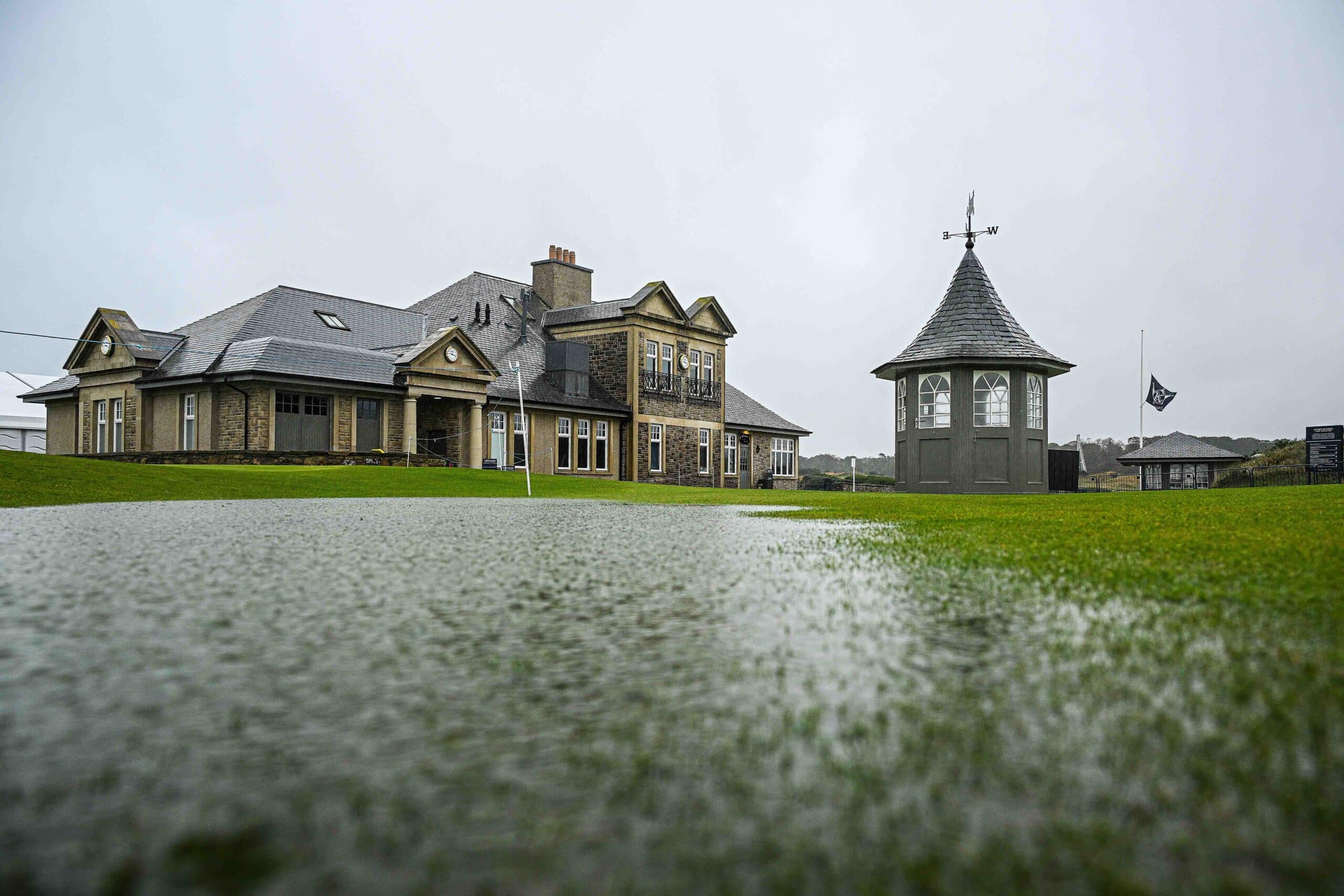
Well, back in 2002 North Berwick was only ranked as the 62nd best course in GB&I by the Golf World Top 100 Ranking. Now it’s a firm fixture inside most people’s top 10. Walton Heath New wasn’t even on the list.
So why does it look so different from today’s rankings? Is it just a case of the courses changing, or have golfers changed the way they judge them?
On the latest NCG Top 100s Podcast, Tom Irwin and Dan Murphy revisit the 2002 rankings to take a look at why they have changed so much. Why golf’s values towards courses have changed and which former favourites have faded from the top spots.
The rise and fall of Irish parklands
Perhaps the most striking difference between the rankings in 2002 and today’s lists is the prominence of Irish parkland resorts.
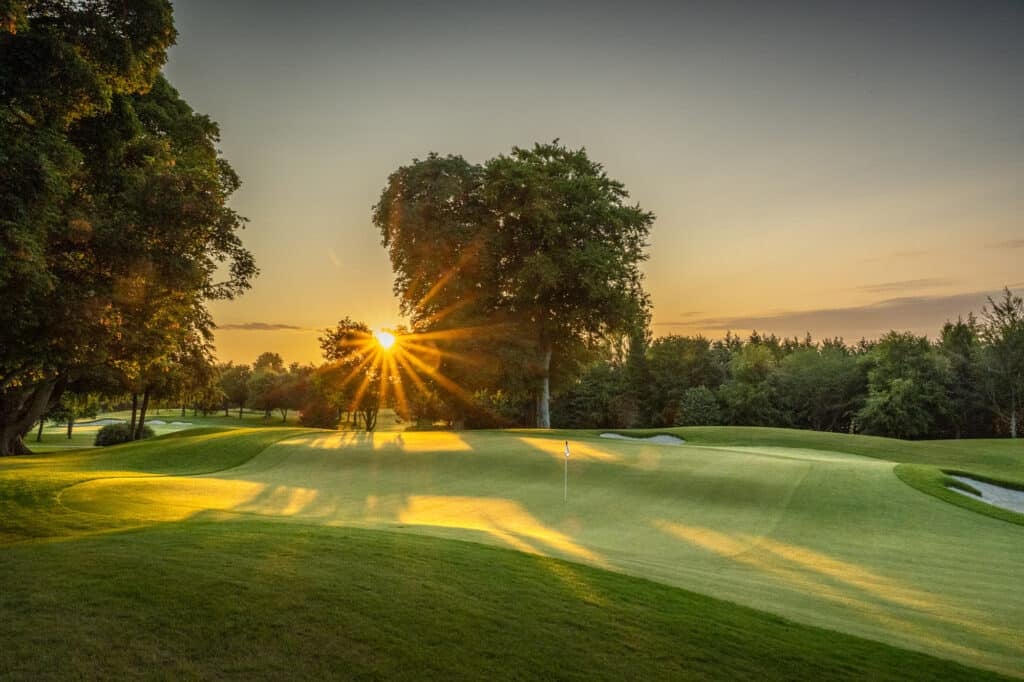
Courses such as Mount Juliet, Druids Glen, The K Club and Killarney and Mahony’s Point all featured prominently at the turn of the century. Today, they are largely absent from such rankings.
Murphy believes this is partly down to the exposure Irish parkland golf was getting at the time. So much so that there was even talk of tour events and Ryder Cups being hosted at such courses. He also attributes their past glory to that of the excitement of being in Ireland and playing somewhere new.
“I think people (rankings contributors) went on holiday on trips, I think they had a great time, they were very well looked after,” he said. “These trips were very seductive, and that in some cases people got a little bit carried away.
Advertisement
“I will say that, and it still happens to this day, it’s a massive book bear of mine, is that I do think that new courses do too well immediately. It’s easy to see why, but I think that people generally get a bit carried away, and it makes much more sense to let a course mature.
“Any golf course needs to mature, and any golf course I can think of is better a few years after opening.”
How golf architecture has changed
Over the last 20 years, many courses have undergone restoration projects designed to return layouts closer to their original intentions. A trend that has seen trees been removed, as well as previous strategic areas of the course being restored.
Irwin pointed towards this approach to golf architecture as being a major factor behind how rankings have changed.
“I would describe it as this kind of renaissance trend that we’re going through, and it’s kind of very on vogue,” he said. “For architects to turn up at golden age venues and restore it to the architect’s original intention, and we all know what that means.
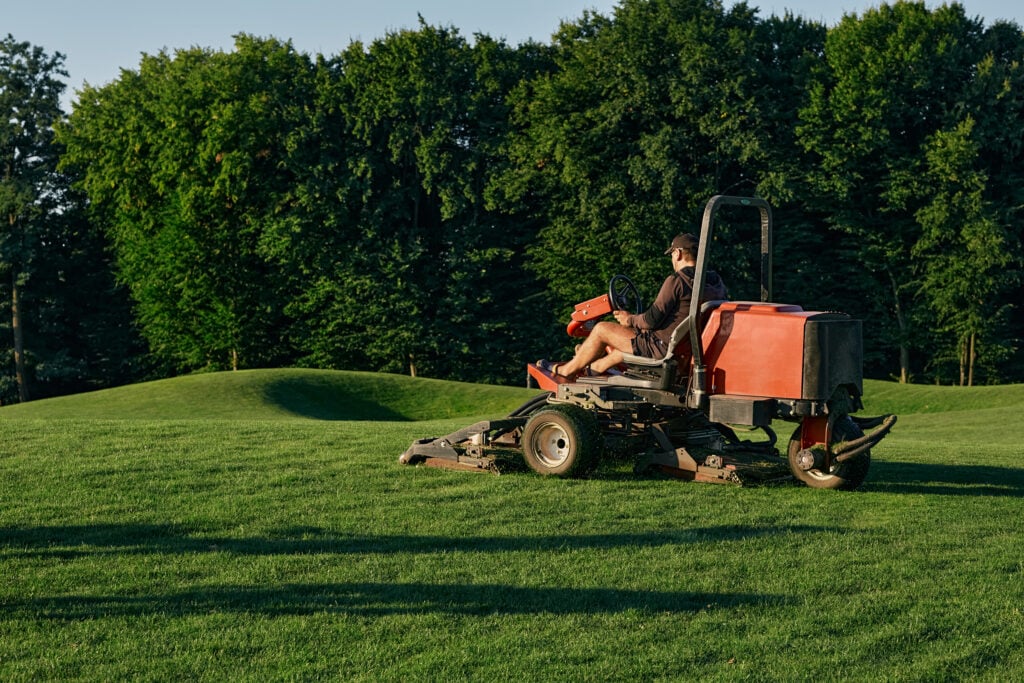
“It means pande areas and removing trees and cutting the grass, and that is a trend in architecture, rather than a trend in the rankings of that decision.”
LISTEN TO OUR PODCAST
- NOW READ: The Fylde Coast trip everyone should have on their radar
- NOW READ: Why Wales offers some of the best value golf in Great Britain & Ireland
- NOW READ: Why the Sunningdale Foursomes remains one of golf’s great traditions
NOW HAVE YOUR SAY
Why do you think golf course rankings change over time? Is there a golf course in our top 100s GB&I list that you think will be higher or lower in 20 years time? Let us know by leaving a comment or by getting in touch with us on X!