Failure is hypnotic. We want a character stripped bare. A real-life soap opera. We view people at their most wounded and we can’t help ourselves. We click the buttons, and turn the pages, addictively. In those moments, we think we see them as they really are.
It’s the domain of the apocryphal: of would be champions devastated in locker rooms, of dreams dashed, unleashed agony, and chronicled by those who just happened to stumble into a story they weren’t really meant to see.
But this is not some mythical anecdote. This is the tale of a man utterly convinced of his destiny – told by another who watched it unravel.
It may not end as you might think.
If one image could sum up Phil Mickelson at the US Open, it’s the picture of someone in disbelief.
In 2006, at Winged Foot, Lefty stood at the final hole with the championship – the one he’s really wanted – at his mercy.
We all know what happened next. A tent, a tree, a double bogey, and a hole that, even a decade later, he could barely bring himself to confront.

ALSO: Payne Stewart celebrated his 1999 US Open victory in the last place you would think of
ALSO: A history of the US Open trophy
Mickelson has suffered defeat before. This one, though, cut deep.
To truly understand it, we have to rewind.
“I got to know Phil during the 2006 Open and he really believed it was his to win,” remembers Winged Foot’s general manager Colin Burns. “He had worked very hard. Nobody had visited Winged Foot more than Phil Mickelson. He and Bones studied those greens.
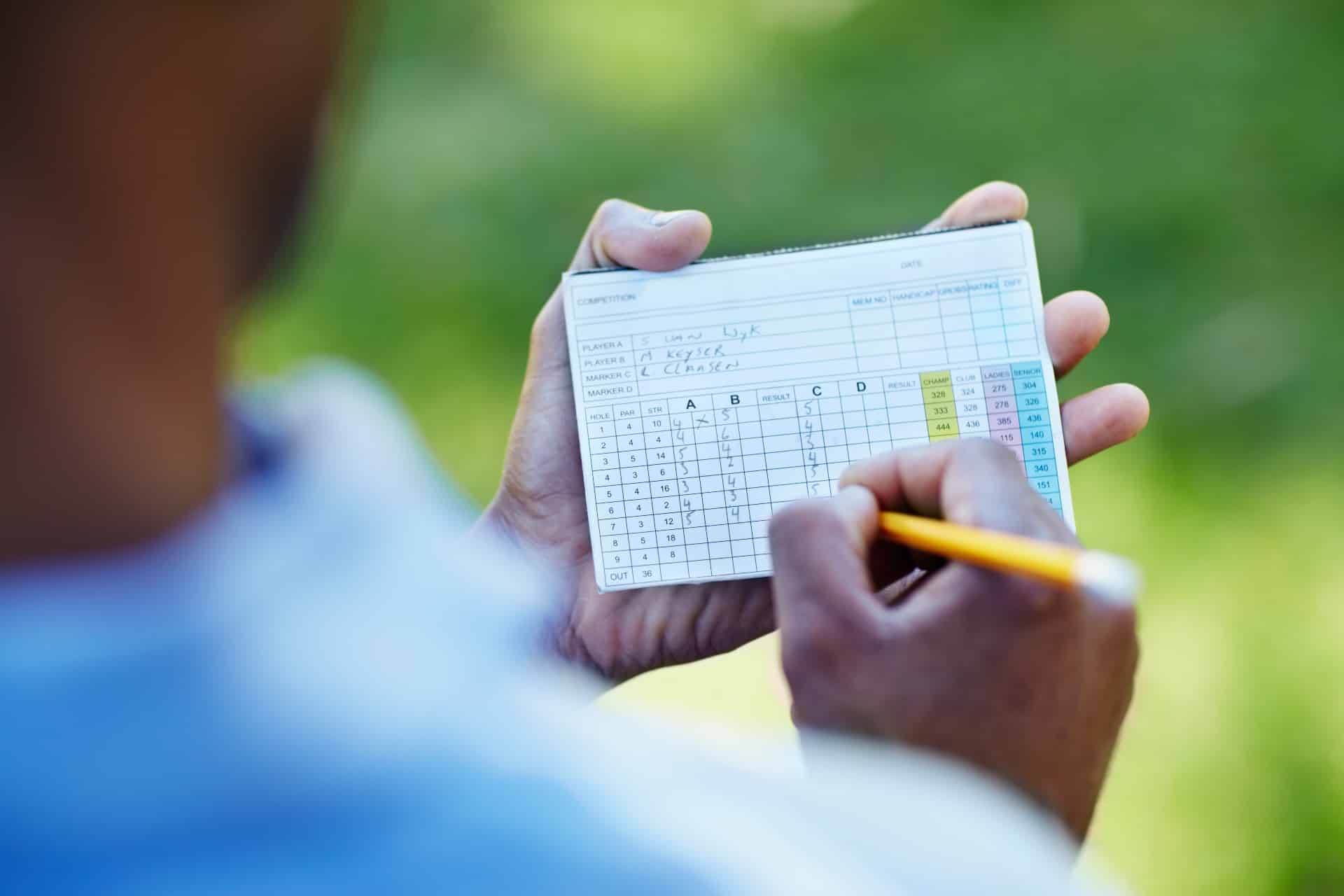
“If you look at his notepad for each green complex it looked like something developed by NASA – the dimensions, the slopes, the data points. It was just fascinating.”
Advertisement
Mickelson had stalked the famed West course some 10 times before US Open week started. He’d probably played more than the members.
It had given him an ironclad belief, until he self-destructed in such spectacular fashion.
A prize that was in his hands was gone. And all that was left was the shock.
“It was very sad for those of us who were rooting for him,” says Burns. “It was heartbreaking. I was in the middle of getting changed for the trophy ceremony, thinking full well that Phil was going to be the winner.
“As the news was coming over the radios that he had just hit the tent, and then hit the tree, it was devastating and explosive.
“There was a moment after the award ceremony where I popped my head into the men’s locker room and he was up there alone with Dave Pelz and I guess it was [then coach] Rick Smith, and Amy.
“Phil had his head down in his hands. I am not quite sure if he was crying but, clearly, he was very upset.
“It was one of those moments where, if I had a camera, I would have liked to have taken a picture but I don’t think I would have had the heart to do that.”
Defeats like that leave a mark. Perhaps you can find solace in a glass but, when the mind clears, reality comes crashing back.
But Burns checks back to something else when he tries to measure how that loss impacted such a popular character.
And he remembers two stories he thinks sums up Mickelson best, and helps to explain his enduring appeal.
“Monday of the Open he realised he didn’t tip the locker room attendants,” he starts.
“So he got in touch with Mike Davis, of the USGA, and said, ‘I’m not quite sure what to do. I realise I didn’t take care of the men in the locker room.’
“Sure enough, I got the call and we took care of it. So Monday morning, what’s Phil thinking about? The fact that he hadn’t taken care of the guys in the locker room.
“That says a lot about him as a person.”
Burns carries on: “After he had lost, I felt like we needed to do something. I had this great affinity for Phil.
“I found a great quote from this 19th century sportsman and it was all about not just being a technically good sportsman but also being a gentleman.
“I think Phil embodied that – technically so proficient and yet always the ultimate gentleman.
“So I had this beautiful poster made – hand calligraphy, gold leaf – and we left it at the front desk and I think we collected almost 300 signatures. We had it framed and sent to Phil.
“I hadn’t heard from him, and I thought, ‘He must have got this.’ I called friends, and Jim Nantz, who is a very close personal friend and the voice of the Masters. I said, ‘Jim have you talked to Phil, has he mentioned the gift?’ ‘No, he hasn’t.’ That was June.
“It was April of 2007. I get a phone call at home. It’s Phil. At the time I had one of the kids in the bath.
“He said, ‘I want to tell you I got the gift. I’ve been licking my wounds for the last six months or so. It was a tough loss.’ He went on to thank me for the thoughtful gift and to thank the club. And that’s Phil.
Advertisement
“If I were Phil I probably would have thrown it in the fireplace not wanting to be remembered of this devastating loss but he licked his wounds and, when he came up for air, the first thing he did was say thank you.”
NOW READ: 7 controversial moments at the US Open you’ll never forget
NOW READ: The underdog story that changed golf forever
Advertisement