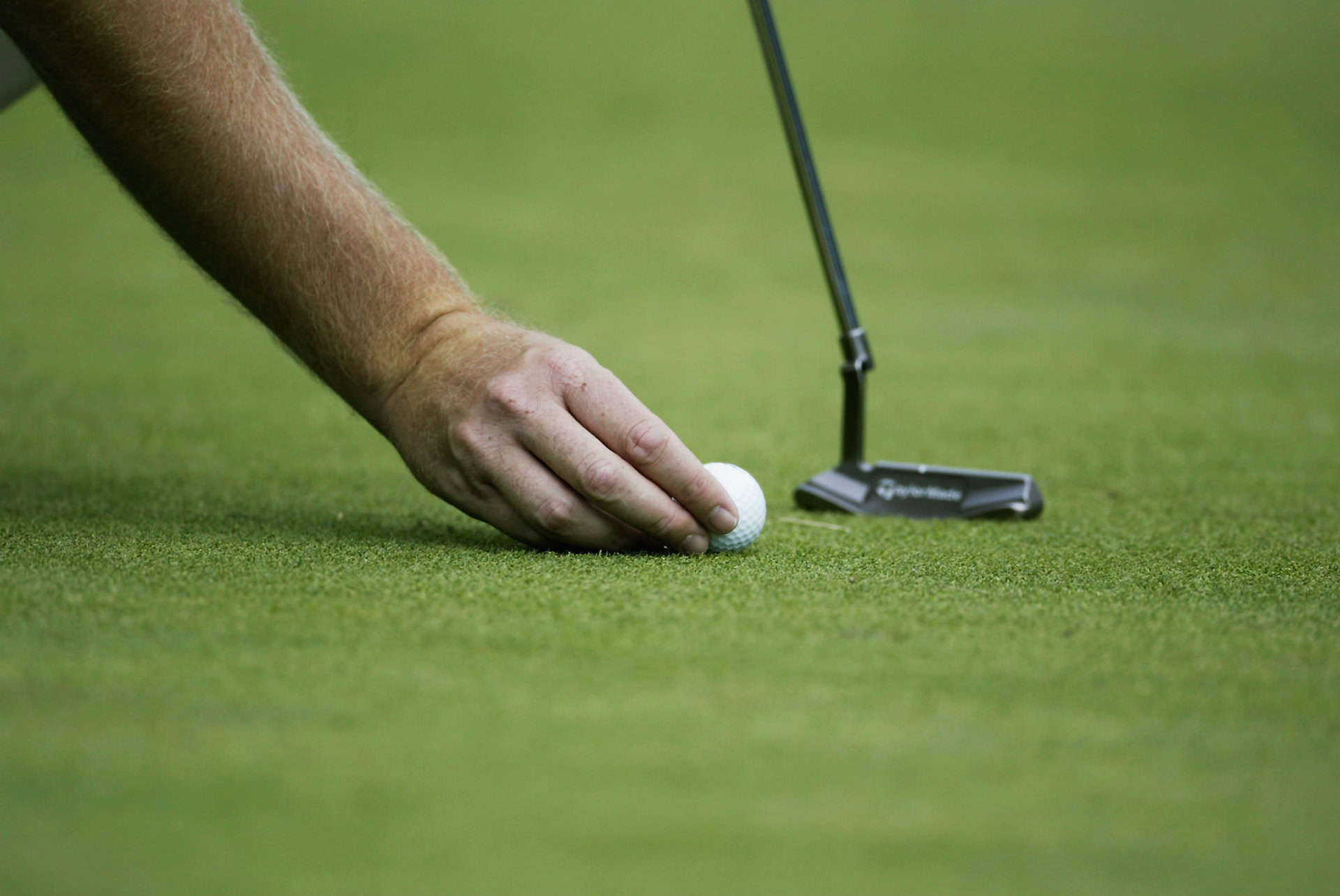
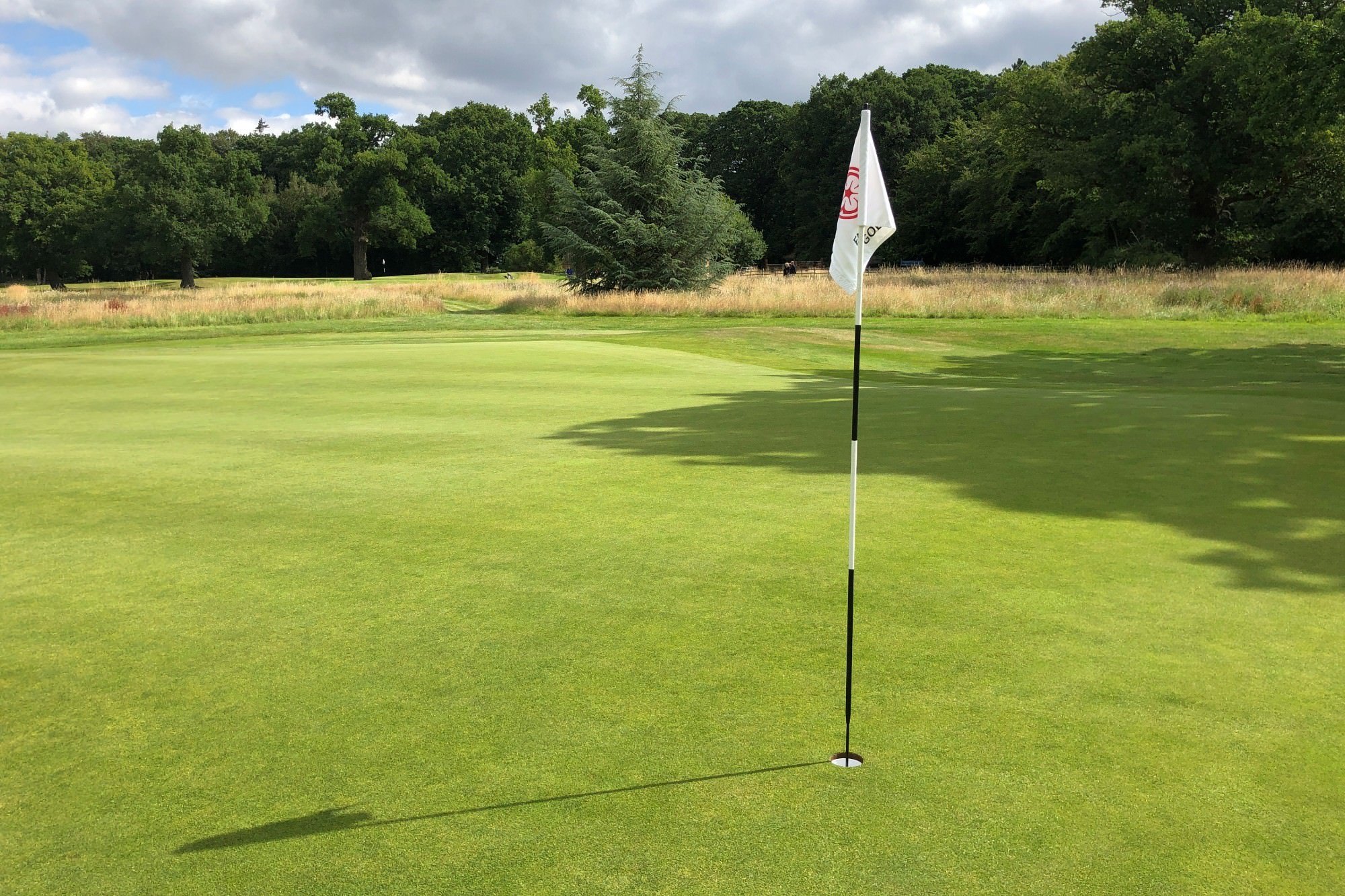
Why can you chip the ball beautifully on the practice green but struggle to get it anywhere near the hole when you’re playing a round?
It’s a question many of us have asked ourselves more than once. While it’s easy to assume the solution is simply to practise more, the issue may have less to do with the number of balls you hit and more to do with where and when you hit them.
Short game coach Louis Savill believes golfers have a tendency to underestimate the difference between practising in a controlled environment like a practice green and a more competitive, pressured, one on the course.
Favourable lies and familiar targets are comforts we enjoy when we’re just practising with our own thoughts. Out on the course, these quickly disappear and it feels as though there is more than one plate to spin.
It’s a problem Savill argues is exclusive to golf. Compared to other sports, players spend much of their practice time away from a realistic playing environment.
“I think golf has this really hard job because we’re the only sport on the planet that practises away from the field of battle,” he said. “If I play football, I practise on a football pitch and I play on a football pitch. Tennis, same thing.
“Whereas golf, we have this massive divide. I practise on a chipping green or a driving range, then I play on a golf course. And I think we could all do better job if we start to flip those.”

How to take your short game onto the course
One of Savill’s recommendations is to take practice drills onto the golf course itself. He suggests golfers should look to go out for a couple of holes, on their own, in order to introduce an element of competition into their practice sessions.
Advertisement
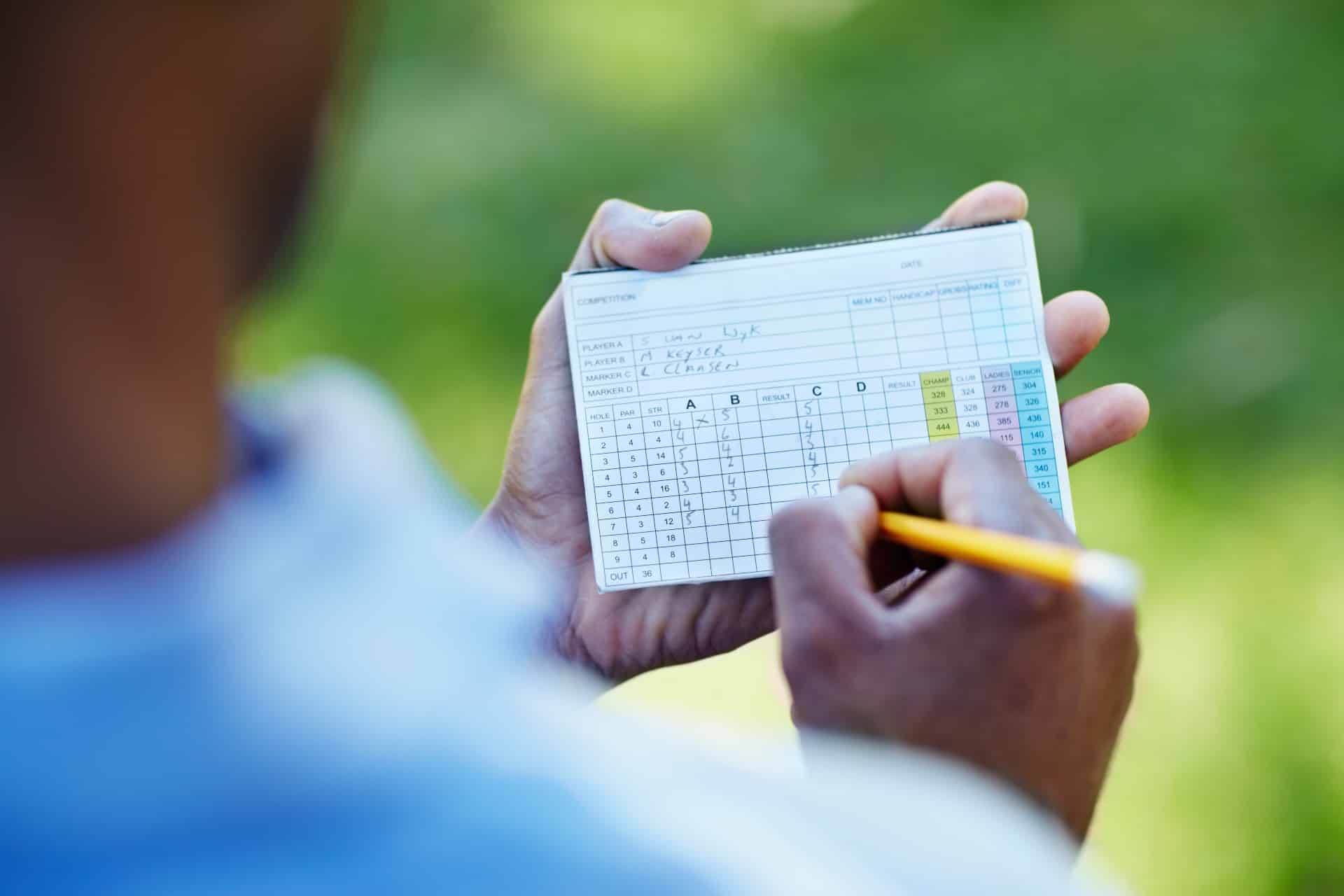
One example he gave was the ‘par 18’ game, where players play nine holes around the chipping green. The same premise can then be applied out on the course.
“You play nine holes, every hole’s a par two,” he explained. “What’s your score against par? Suddenly we’re now able to introduce a bit more pressure to a chipping green environment that feels very safe.
“And then equally on the golf course, I want you to go out and practise and have fun like you would on a chipping green. Then we’re able to develop the transfer skill.
“We always just assume that the better our technique gets, the quicker it transfers. It can help, definitely, but we want to be able to isolate those environments and essentially be able to flip between those.
“So I have a lot of people do their drills on the golf course. Can they show me how well they’re doing something on the 2nd hole? Because then we’ve removed that barrier of ‘Oh, I can do it on the chip and green’. Well, no, you’ve just you’ve just proved you can do it on the 2nd.”
LISTEN TO OUR PODCAST
NOW HAVE YOUR SAY
What would you rate your short-game out of 10? Do you find chipping hard? And is there a difference between what you see when practising and what you produce out on the golf course? Let us know in the comments or by getting in touch with us on X!