

Distance or accuracy? It’s something I get asked about almost daily. “Should I work on hitting it straighter or longer?” Well the quick answer is both.
Playing great golf requires a broad spectrum of human attributes and faculties – it’s one of the things that makes the sport unique. It challenges your mind, body and soul. I define them as “the seven keys to performance”.
Physical: Mobility, stability, flexibility, strength, power, balance, hydration, nutrition, cardiovascular fitness, biomechanics.
Technical: Swing, short game and putting. Shot making ability, pre-swing variables, balance, tempo, tension, equipment specifications, quality and quantity of practice.
Tactical: Course management, understanding weather conditions, strategy, playing from awkward lies.
Mental: Goal setting, self-talk, post-shot reactions, motivation, decision making, commitment, dreams, being present, preparation, evaluation.
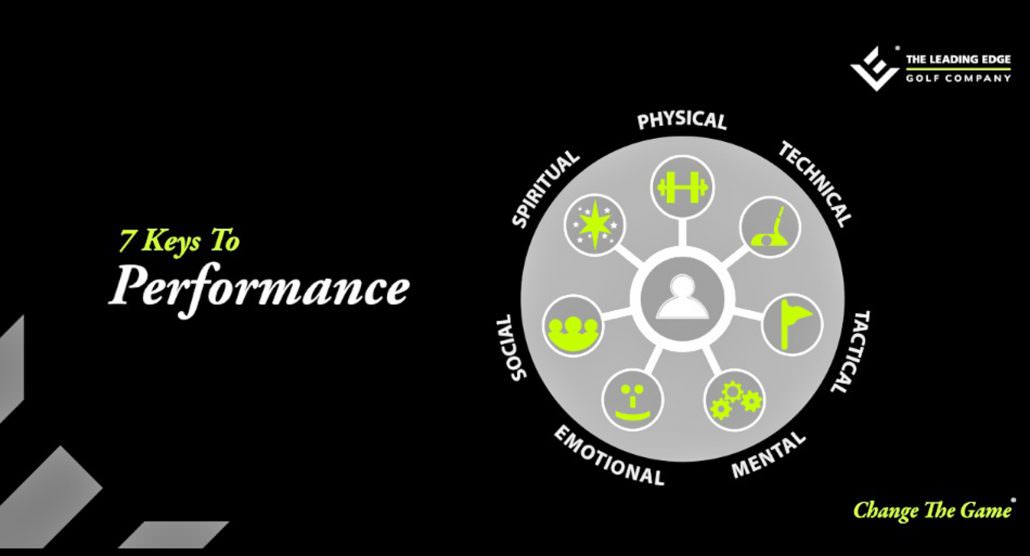
Emotional: The skill of being in a coherent state (happy, aware, etc.), managing adrenaline levels and being: nervous, excited, angry, worried.
Social: Managing different roles, other people’s opinions, different behaviours, communication skills.
Spiritual: Your love for the game – managing your intrinsic motivation and appreciation for the game.
So, it isn’t an either/or situation. Hitting the ball longer and straighter means you place less pressure on the scoring elements of your game – for example, approach shots, short game and putting.
More distance means less club – hitting, say, an 8-iron in versus a 6-iron – which increases your chances of hitting it close, resulting in more birdie opportunities, fewer missed greens and three putts.
However, it also inherently decreases your likelihood of being accurate – it’s a trade-off.
Being barraged incessantly by this question sparked me into doing some non-scientific, one-dimensional research on the influence that hitting the ball further or straighter has on the main professional tours.
I’ve done this by analysing the top 20 players on each tour in two categories.
- Driving distance: The average number of yards per drive, measured on two shots per round, regardless of whether they come to rest in the fairway or not
- Driving accuracy: The percentage of fairways found per round/the percentage of time a tee shot comes to rest in the fairway, regardless of club
I then compared their standing on the associated “order of merit”.
Advertisement
I also wanted to define what the ideal mix of distance and accuracy might be in order to be a top 20 player on each tour. I’m calling these “Mr and Ms T20”.
Another aspect I looked into was to see if the FedEx Cup Playoffs structure has some influence.
Now, in the interest of full disclosure, I am no statistics expert. I’ll leave the ‘real’ research to specialists such as Mark Broadie (PGA Tour Shotlink) and Scott Fawcett (Decade).
However, I do like to investigate in order to help me understand the nuances of performance so please don’t haul me over the coals with regards to the data’s lack of scientific validity.
The reason I’ve done it is to spark interest, discussion and further study.
So, I’m not going to present my own, in depth interpretation. I want to ask you, the reader, “What do you see?”, “What do you take from the data?” and “How might you use it?”
For what it’s worth, I like to use stats to establish trends and baseline skills against the current standards. However, I believe the most potent way to use them is to understand the assets and liabilities of your game – to understand YOUR brand of golf.
See your game as a room. The floor is your foundation and your assets (what you do well), the walls and ceiling represent your liabilities (aspects to develop).
Be sure to consolidate your assets before addressing your liabilities (patch your floor before painting the walls and ceiling).
If you’re keen to improve and aren’t already gathering stats, I highly recommend you start. Platforms like Shots to Hole and Golf Stat Lab are fantastic, easy to use tools that, if coupled with sound advice from a good coach, will provide great insight and direct you towards better play and better times on the course.
Distance or accuracy? The data
If you click through the galleries below, you’ll see the collated driving distance and accuracy data for the European and PGA Tours…


And here’s the same data for the Ladies European and LPGA Tours…


Finally, the averages compared between the men’s and women’s games…
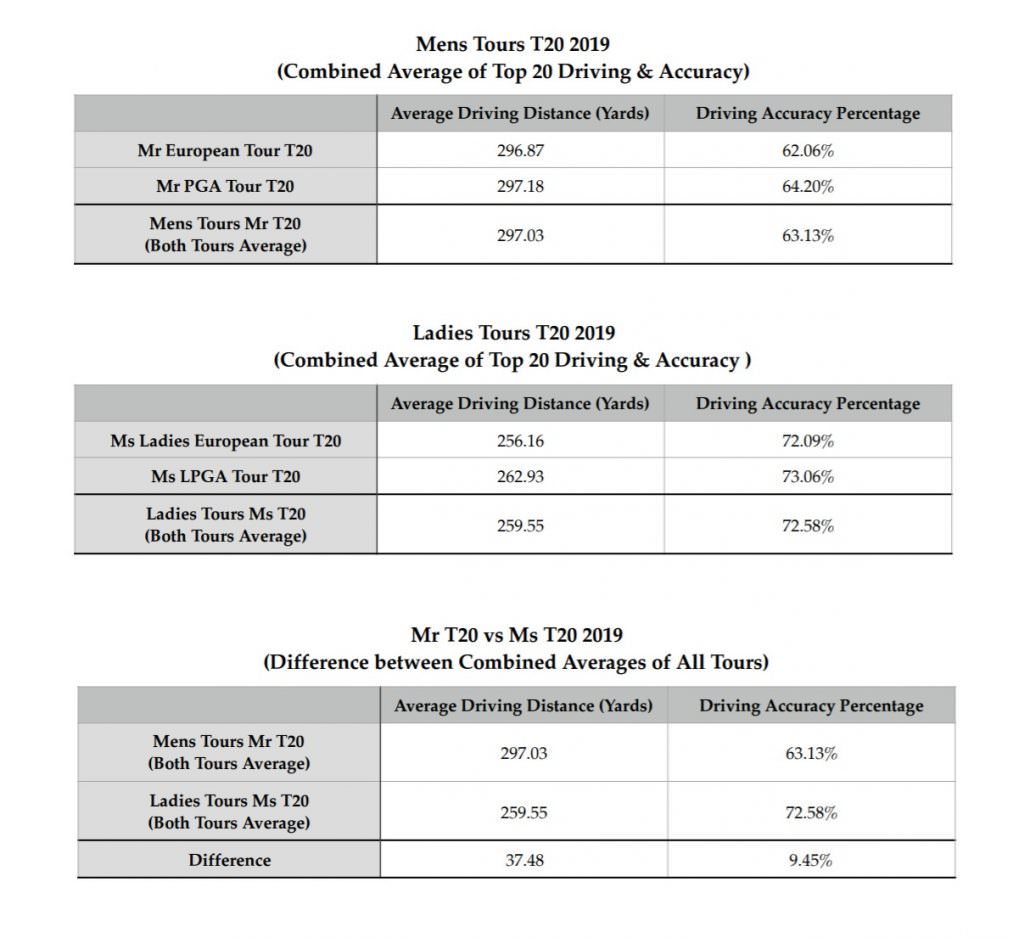
I hope this has triggered your interest and will encourage you to carry on the discussion.
Oliver Morton is an holistic coach based at the Archerfield Performance Centre and founder of the Leading Edge Golf Company. If you have any questions for Oliver, leave them in the comments below or you can find him on Twitter.
Advertisement