We sometimes use affiliate links to products and services on retailer sites for which we can receive compensation if you click on those links or make purchases through them.
A driver face designed using artificial intelligence? Equipment editor James Savage gets his hands on the Epic Flash and Epic Flash Sub Zero
Our Callaway Epic Flash driver vs. Epic Flash Sub Zero driver test took place at Moor Allerton in Leeds.
We attended the brand’s launch event at their Carlsbad HQ in California to learn all about the new technology then put the drivers head-to-head in Moor Allerton’s fantastic indoor fitting studio.
Callaway Epic Flash driver vs. Epic Flash Sub Zero: First impressions
Epic is back! Well, it never really went away as it continued to run alongside the Rogue line which was launched last year.
But we’ve got some cool, new technology in the Epic Flash drivers which Callaway are very excited about.
If you were a fan of Epic first time around you should be excited too.
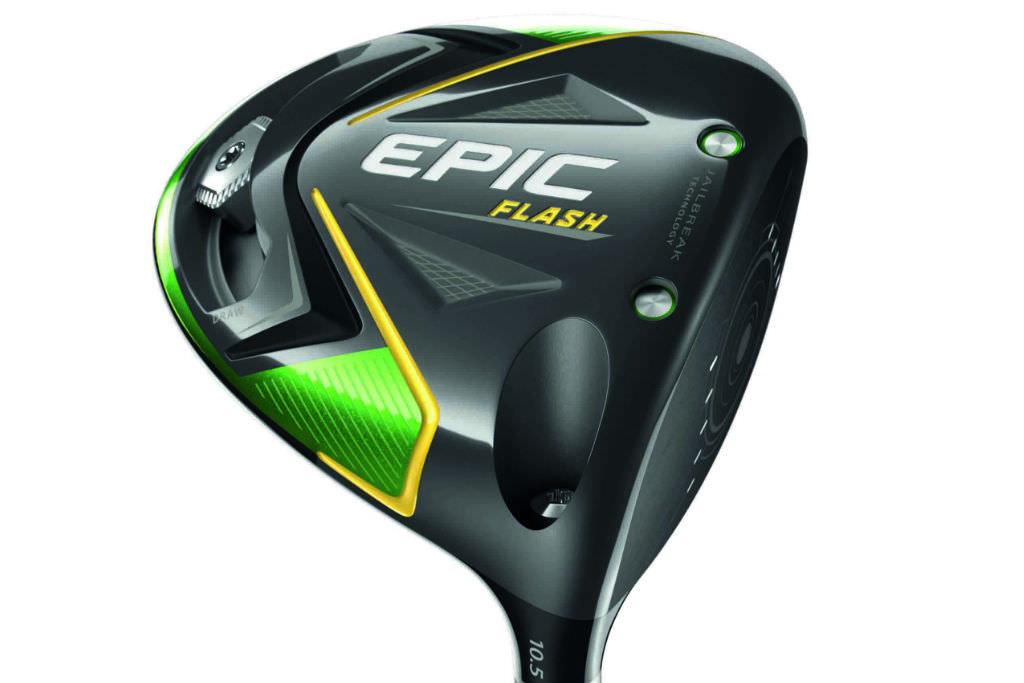
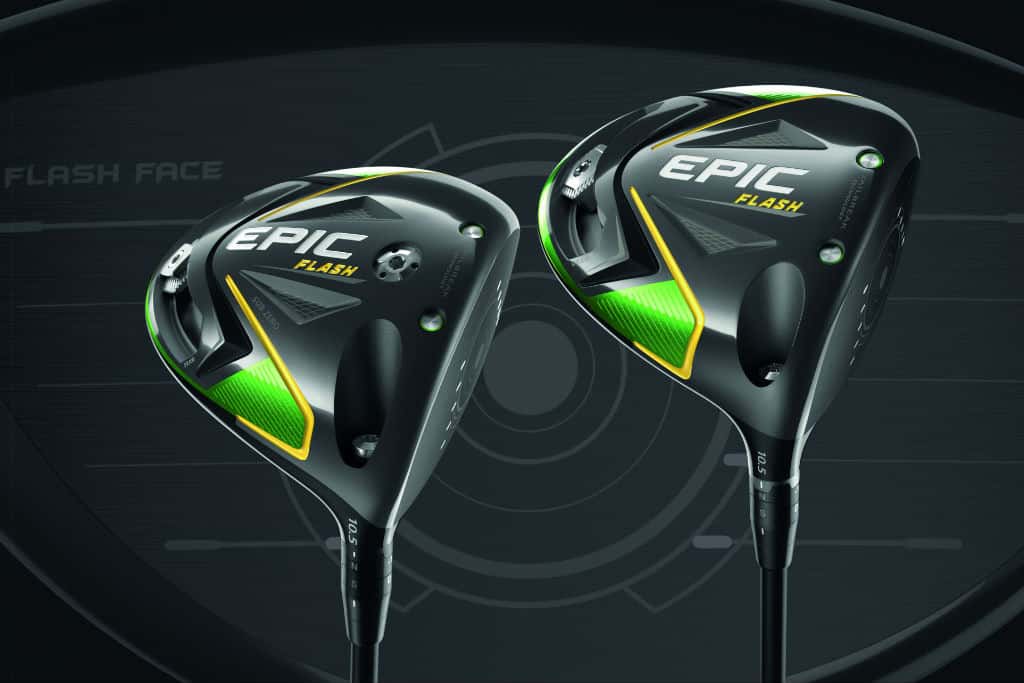
The looks at address are quite similar to the originals – they are a bit more compact than the super-forgiving Rogue models.
They have that same super-premium look but are interestingly both adjustable this time around.
We will still have the three Rogue (regular, draw, sub zero) drivers available in 2019 which Callaway say are a tad more stable and forgiving with their ‘weight-back’ design.
But the Epic Flash is promising even more ball speed than ever thanks to some all-new technology.
Callaway Epic Flash driver vs. Epic Flash Sub Zero: The technology
The key new tech in the Epic Flash is something called a Flash Face.
It has variable thickness and aims to offer more ball speeds right across it. It’s actually thinner in the middle which Callaway say means the odd drive you hit right out of the middle will go miles.
But it’s the way Callaway created this face which is most interesting.
They invested a lot of money in what they are calling a ‘super computer’ where they were able to input all of the relevant data about how to make a fast driver.
What materials, what size and shape, what tolerances it has to work to.
Advertisement
After around 15,000 iterations, this is the driver face the computer came up with.
They say it would take a normal computer or laptop around 34 years to run the same calculations.
The result is a face which claims to offer 1.5mph extra ball speed on their existing models.
The Epic Flash and Epic Sub Zero drivers also have the Jailbreak technology we saw two years ago in the original models.
This helps to add further ball speed by allowing the face to take more load at impact thanks to two titanium bars connecting the crown and the sole.
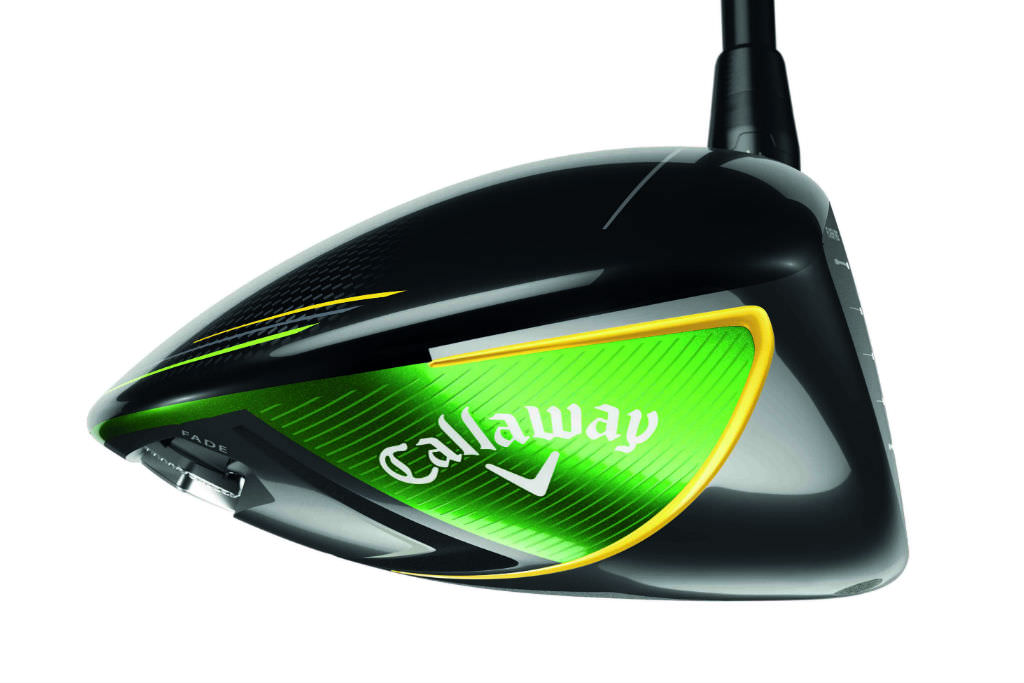
And the use of a super-light triaxial carbon crown means enough weight has been saved to add a moveable weight on the rear of the sole of both new drivers.
Callaway are certainly talking a good game with the Epic Flash but how do these new models perform?
That’s enough about the technology – how do they perform? Find out on the next page…
[skylab_video id=”158949″]Flash vs Sub Zero[/skylab_video]
Callaway Epic Flash driver vs. Epic Flash Sub Zero: The results
I’m still recovering from an operation to remove my appendix so had to draft in colleague Craig Middleton to do the hitting on this occasion.
He play of 12, swings it a bit faster than me but is similarly inconsistent when it comes to his strike patterns.
Like me, he can miss it left and right so his results should be relevant to a large percentage of the golfing population.
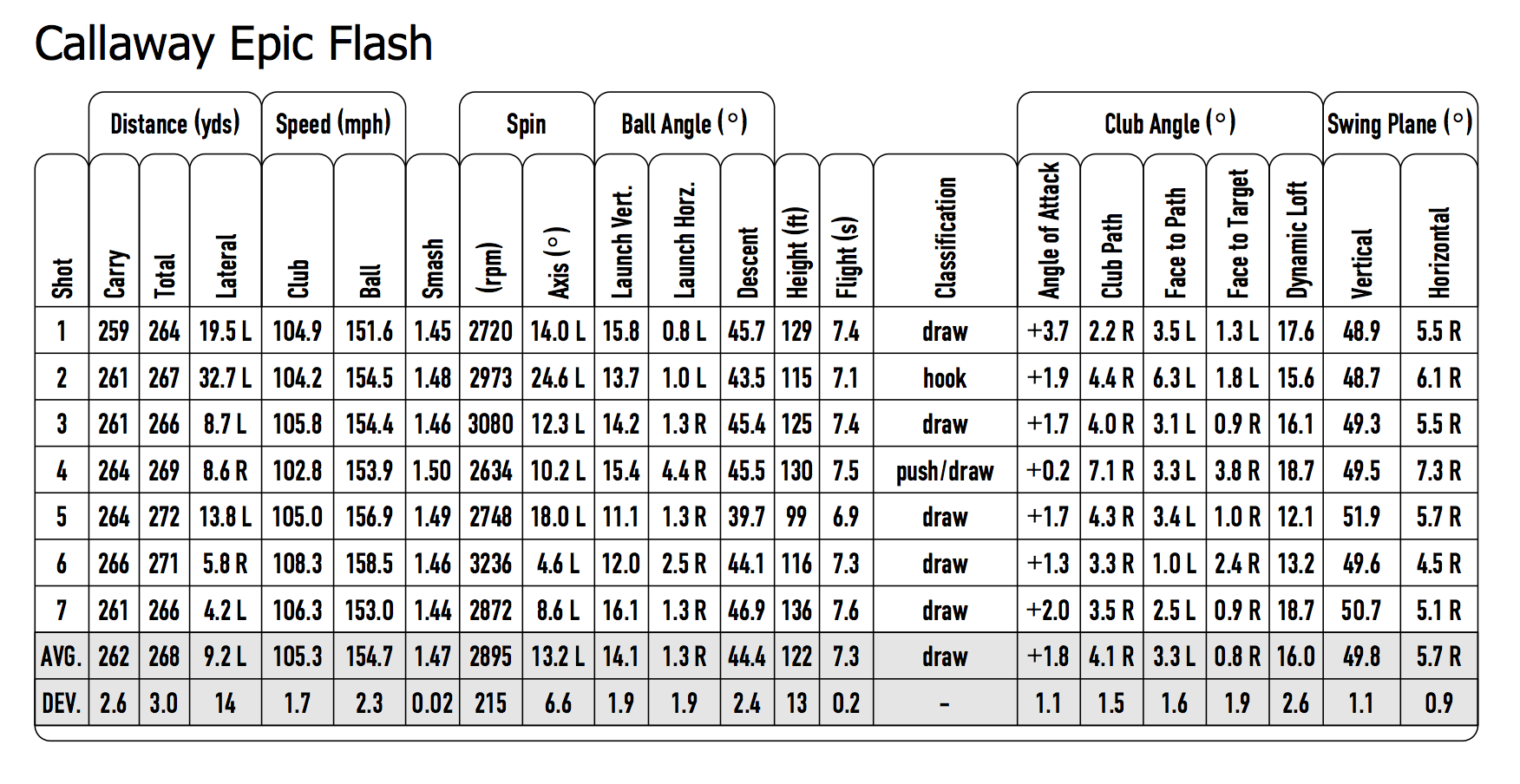
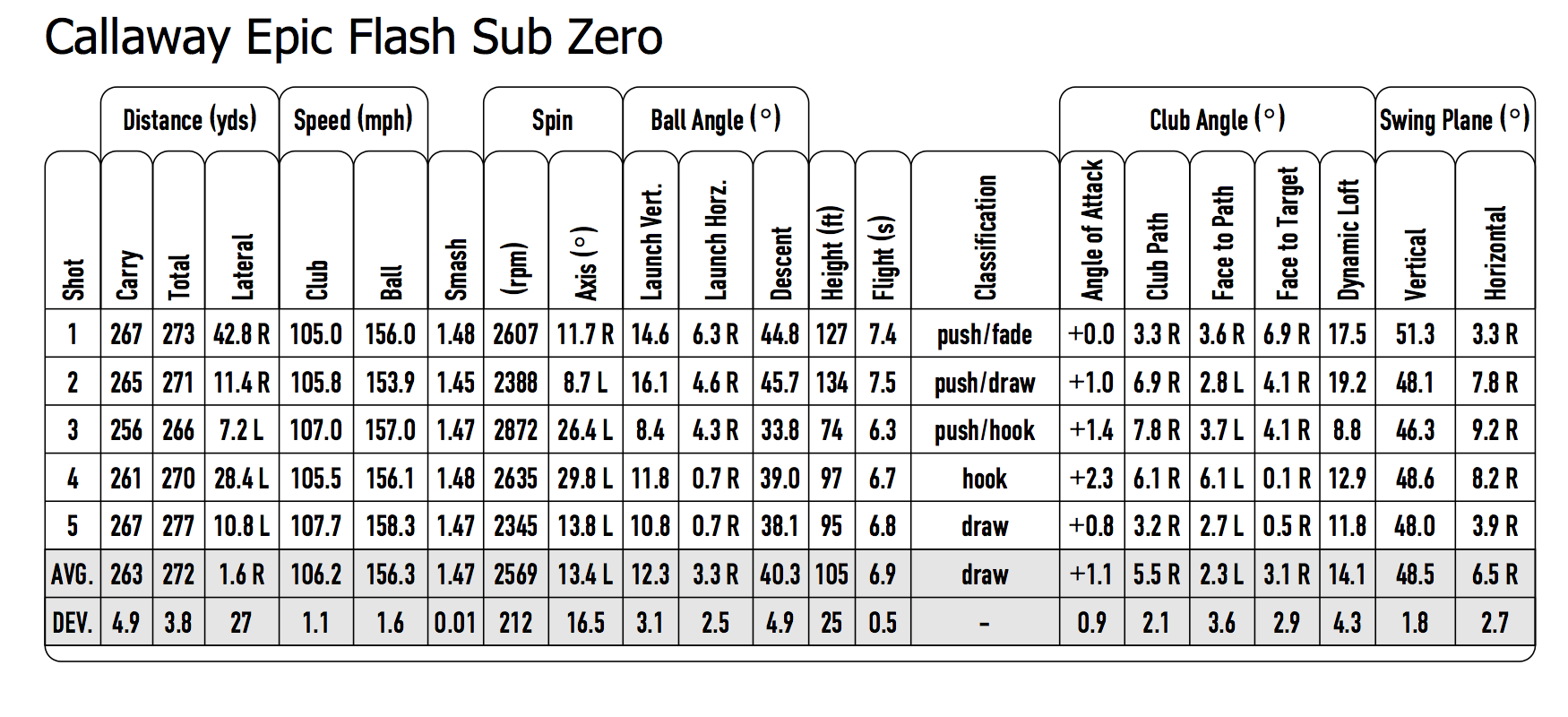
As you can see from the data below both models were offering great ball speed and carry distance.
But there was a bit more consistency with the regular Epic Flash.
If you want the best products on the market, they aren’t going to come cheap.
The performance is fantastic with superb looks, sound, and feel.
The Sub Zero model does exactly what it’s supposed to do and that’s kill a bit of spin.
But it’s at the expense of a bit of forgiveness so I won’t be surprised to see lots of tour players favouring the Sub Zero.
There is no doubt in my mind that the regular Epic Flash is going to work best for the majority of club golfers.
So to what extent has this new Flash Face taken these drivers to another level?
It’s hard to gauge that at this stage as we haven’t been properly fitted yet and we haven’t put them head-to-head with other premium drivers on the market.
I’d be fairly confident that both these models will be right up there but it’s still a tall order to make significant improvements to the original Epic and Rogue models.
Advertisement
We’ll bring you the results of our comparison testing later in the year…
The details
SRP: £499
Lofts: 9°, 10.5°, 12° (Regular only)
Shafts: Project X EvenFlow, Project X HZRDUS Smoke, Mitsubishi Tensei AV




 And I don’t think anyone would be prepared to take three or four yards of extra distance over tighter dispersion.