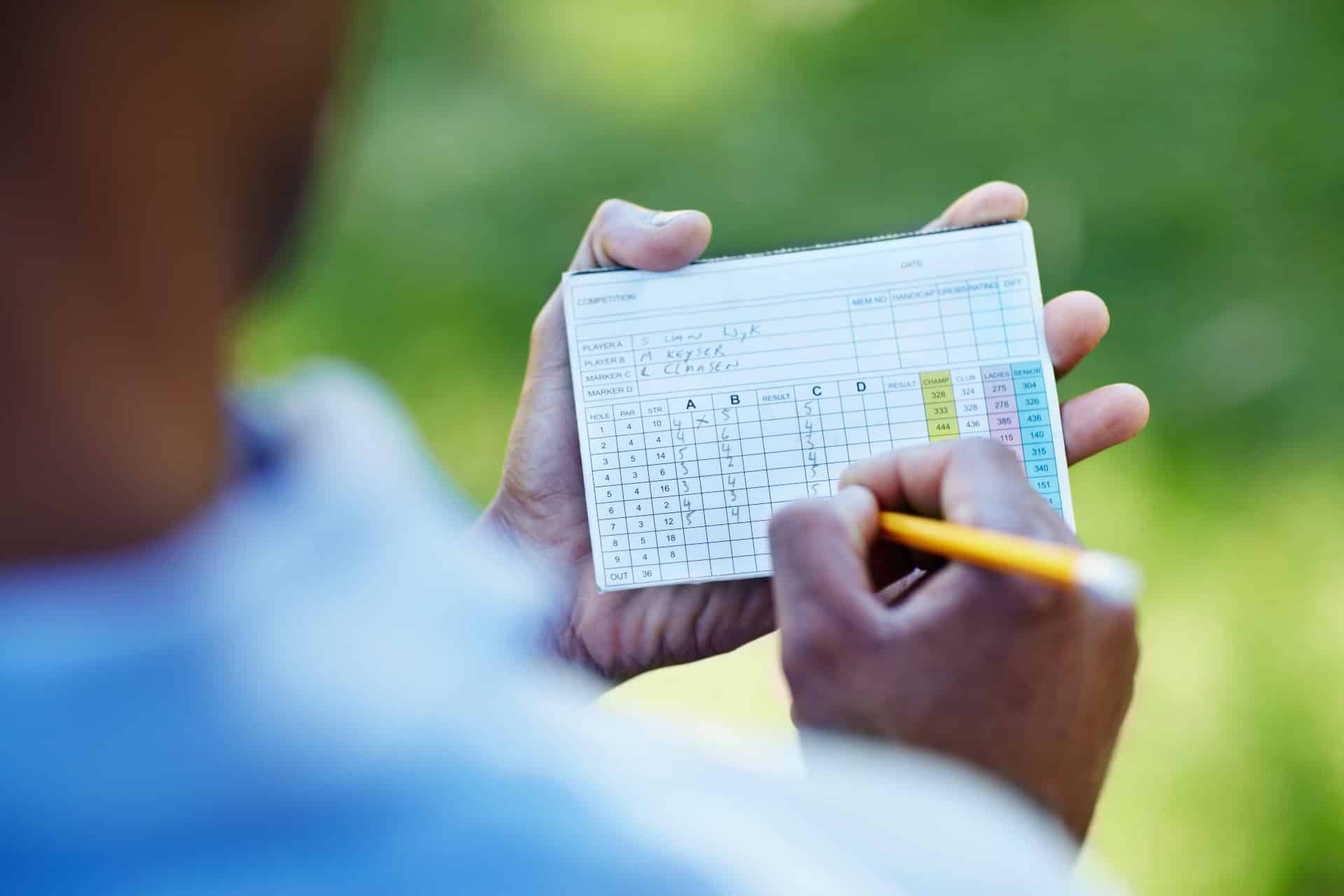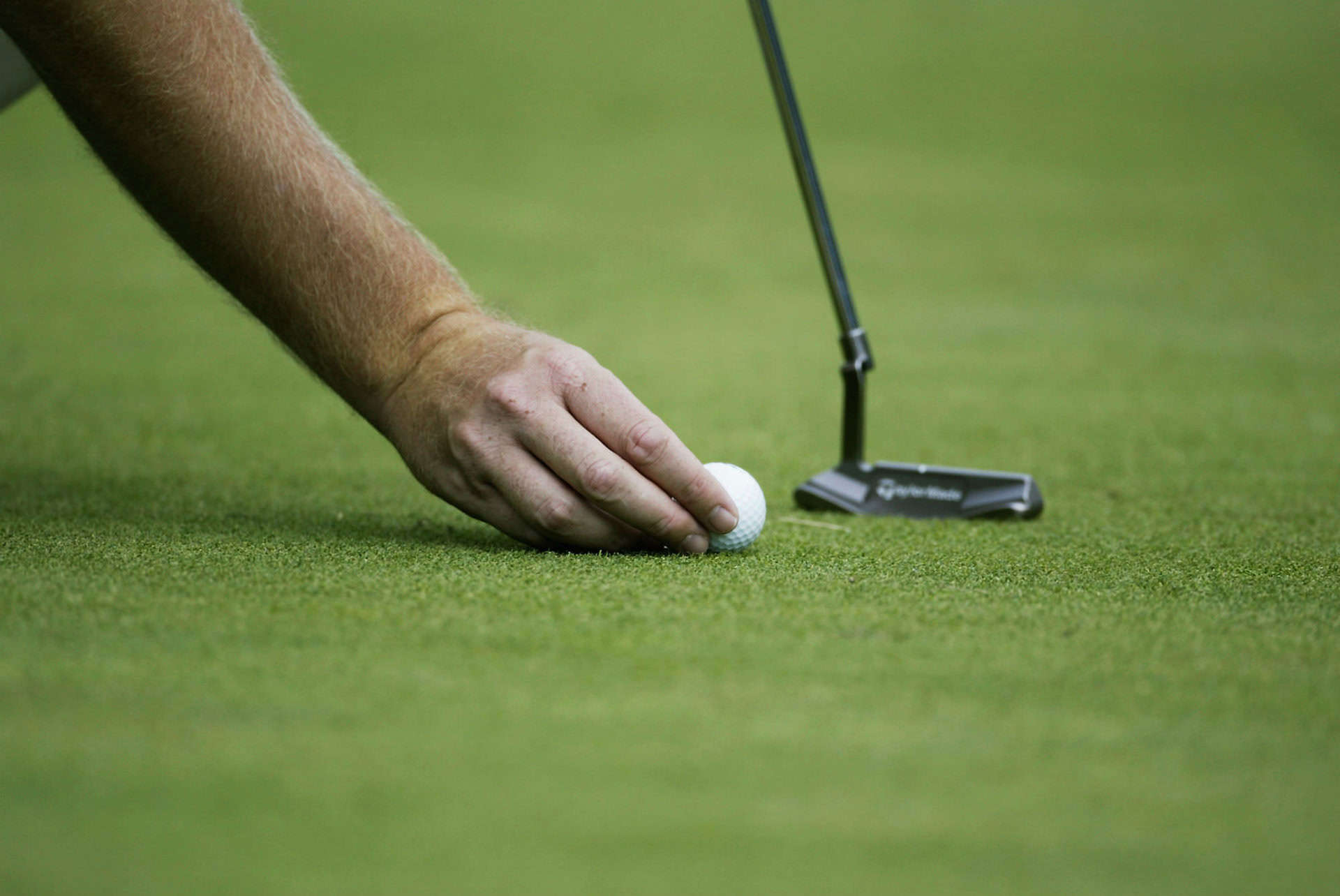



I think it’s pretty remarkable how far golf technology has progressed over recent decades. Distance-measuring devices are as good of an example of this as any.
There was a time when golfers had little more than 150-yard markers as reference points for their approach shots. Now they have every conceivable metric under the sun available to them on their left wrist.
From things like hazard distances to shot-tracking data and club recommendations, it’s as though we have our own pocket caddie. It’s got to the point that accurate yardages are considered simple and common.
There’s no doubt technology has truly transformed how we navigate a golf course, but does the average golfer really need all that information? I’m far from convinced.
I must say, it’s all extremely clever stuff, and highly impressive how we’ve got to this point. I completely understand why DMDs appeal to so many golfers; I just can’t seem to shake this thought that we’re getting overly carried away with what technology can do.
We’re in danger of overloading ourselves with data.
How much information does an amateur golfer actually need?
I know that’s going to rub a few people up the wrong way, but I genuinely believe that having the distance to the middle of the green is enough for the vast majority of golfers.
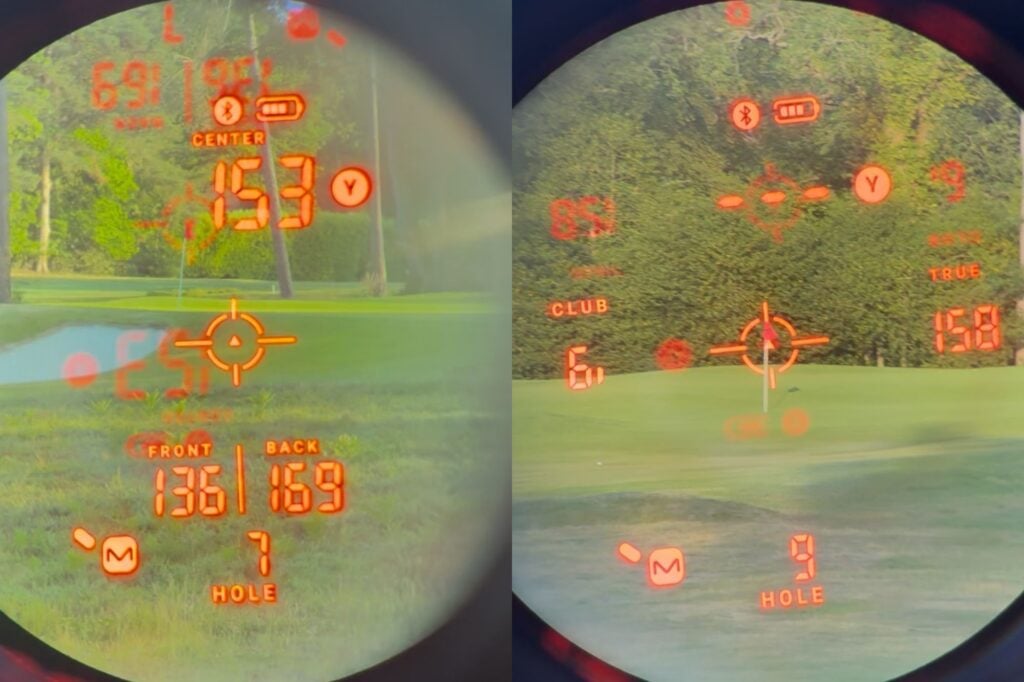
We’re seeing distance measuring devices packed with more and more features, some of which come in products costing in excess of £500 or £600. Yet how many of those are going to make a meaningful difference to a club golfer’s score?
I used to think it was really important to know that a shot was 56.5 yards with slope, rather than simply knowing it was 62 yards to the middle of the green. The more I’ve thought about it, though, the less convinced I’ve become that the extra precision matters.
Advertisement
That’s not to say accuracy isn’t important. Knowing the distances to hazards, the front of the green and the back of the green can all help with course management. Those are useful numbers to have, particularly when you’re playing somewhere unfamiliar.
But there’s a difference between having information that helps you make a decision and having information simply because a device is capable of providing it.
A handful of those yardages are sufficient and are far more likely to be useful. Data is irrelevant and can be counterproductive if you don’t know how to apply it properly, which I fear may be the case for a lot of us.
I’ve seen this exact situation happen time and time again with people I’ve coached. No matter how much assistance they get from their tech, they still have to hit the shot.
I teach a young golfer who uses Arccos, and admittedly the technology is impressive. It tracks each of his clubs and recommends which one he should use with a detailed breakdown of the conditions. But I think this can do more harm than good, in players placing an over-reliance on using it, with their actual striking of the ball almost becoming secondary.
Embrace data, just don’t confuse it with improvement
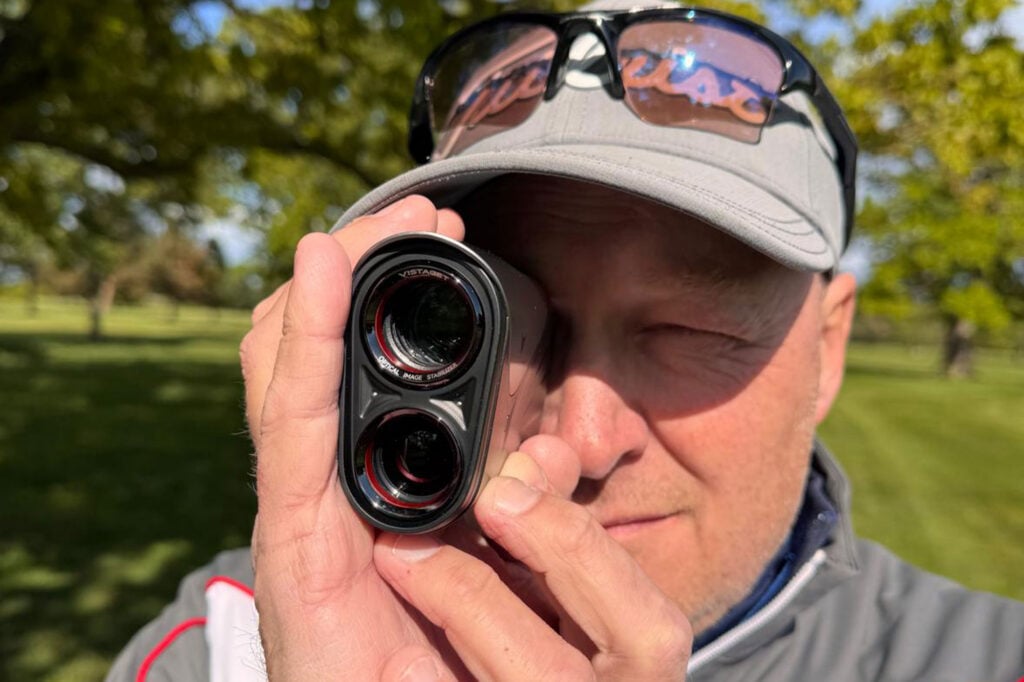
I don’t for one minute hold the view that every golfer should ditch their rangefinders. In fact, I see the value they offer. I’m more making the point that we need to start distinguishing between the features that can help with performance and the ones that don’t.
Adding more and more features to already crowded screens could push golfers to look for answers about their game in the wrong places. Plenty would benefit from understanding their strengths and shortcomings in their swing more.
Knowing how far you hit your clubs, choosing sensible targets and improving your ability to strike the ball are hardly revolutionary ideas, but they’re fundamentals for a reason.
If you’re a highly skilled player who can execute different shot types consistently, then extra details might be of value, but for the majority it’s worth evaluating whether we need every feature.
Sometimes less is more.
LISTEN TO OUR PODCAST
NOW HAVE YOUR SAY
Do you think golfers have access to too much data in today’s game? Do you use a rangefinder or a GPS of some kind? If so, how often do you use it and how much do you think it helps with your game? Let us know in the comments or by getting in touch with us on X!
- NOW READ: The sound of your driver matters more than you think
- NOW READ: Why higher-lofted fairway woods are losing their stigma
Advertisement