


They’re not called the ‘greatest generation’ by accident. The lengths players at Richmond would take to play a round during the height of the Second World War was different gravy.
Distracted by a bomb going off as you’re hitting a shot? Play again, but don’t forget to add on a penalty stroke. Oh, and would you mind picking shrapnel out of the fairways to save the mowers?
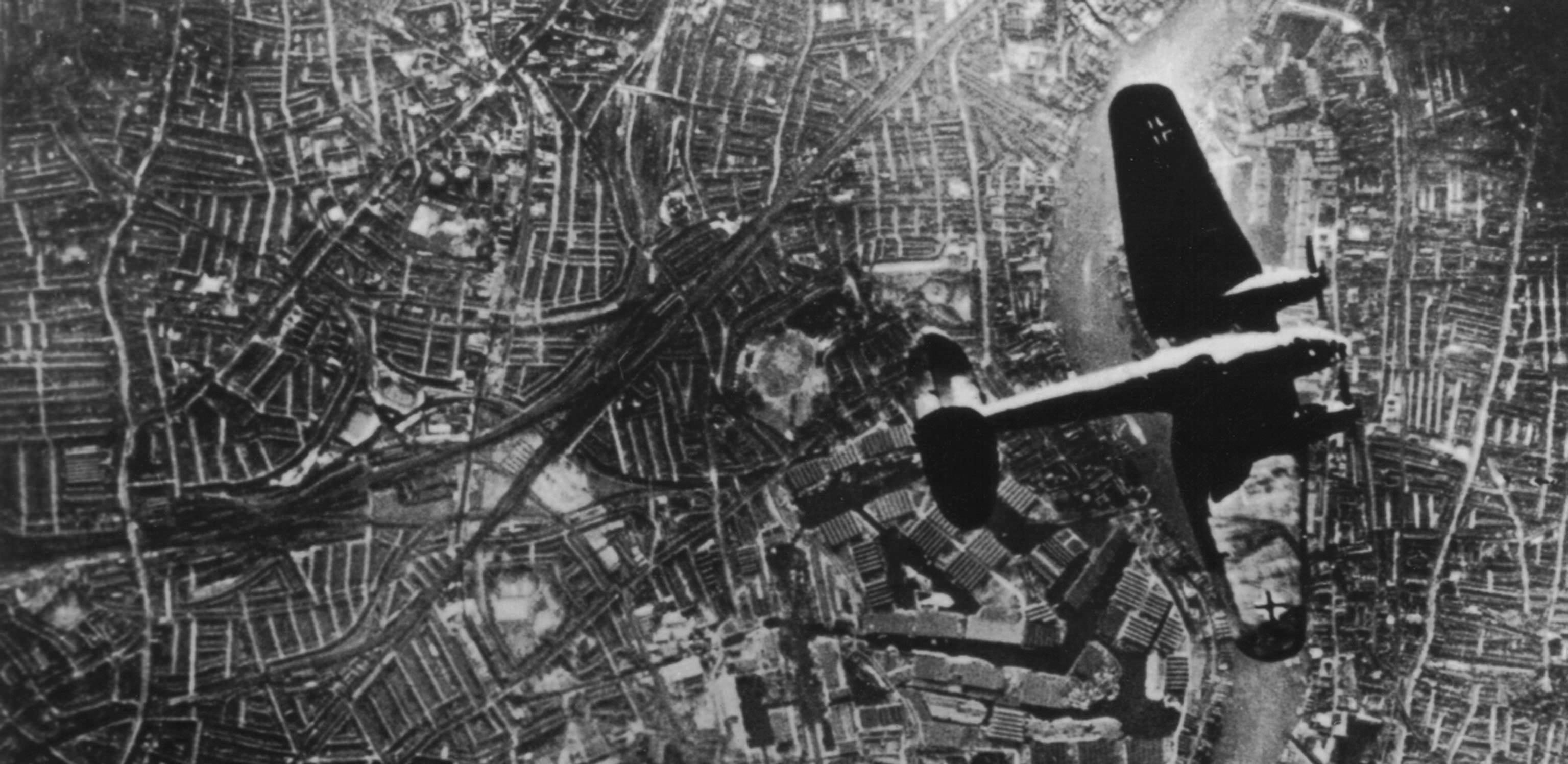
There was no way the members were allowing the Luftwaffe to get in the way of their golf. As the capital’s skies rained explosives during the Blitz in 1940, members at this South West London club laid down temporary rules explaining exactly what they should do if the Germans attacked while they were holing out.
It had begun when a bomb fell on an outbuilding belonging to the club in the late autumn. So with the threat of an air raid ever present, Richmond produced seven edicts – designed to cater for every possible circumstance.
What were Richmond Golf Club’s famous temporary wartime rules in 1940?
1 Players are asked to collect Bomb and Shrapnel splinters to save these causing damage to the Mowing Machines.
2 In Competitions, during gunfire or while bombs are falling, players may take cover without penalty for ceasing play.
3 The positions of known delayed action bombs are marked by red flags at a reasonably, but not guaranteed, safe distance therefrom.
4 Shrapnel and/or bomb splinters on the Fairways, or in Bunkers within a club’s length of a ball, may be moved without penalty, and no penalty shall be incurred if a ball is thereby caused to move accidentally.
5 A ball moved by enemy action may be replaced, or if lost or destroyed, a ball may be dropped not nearer the hole without penalty.
6 A ball lying in a crater may be lifted and dropped not nearer the hole, preserving the line to the hole, without penalty.
Advertisement
7 A player whose stroke is affected by the simultaneous explosion of a bomb may play another ball from the same place. Penalty one stroke.
Did Richmond’s wartime rules in 1940 have an impact?
If these rules have got a whiff of the satirical about them – it’s a bit harsh to be penalised for hitting a shank as a bomb goes off – Richmond say they were still widely published to “demonstrate British defiance of Germany’s aggression”.
They also had the effect of seriously irking enemy high command.
William Joyce, the much-ridiculed Lord Haw-Haw who sent German propaganda over the airwaves into British homes, made Richmond’s rules the theme of a broadcast.
He raged: “By means of these ridiculous reforms the English snobs try to impress the people with a kind of pretended heroism.
“They can do so without danger, because, as everyone knows, the German Air Force devotes itself only to the destruction of military targets and objectives of importance to the war effort.”
Richmond’s website, which revives this rant, says the club’s laundry was destroyed in a subsequent bombing raid. Who knew that was such an important military target?
Now have your say
What do you make of the temporary wartime rules at Richmond Golf Club? Would you be happy to play during an air raid? Let us know in the comments, or get in touch on X.
NOW READ: Have golf club members forgotten how to behave?
NOW READ: Inside the staggering multi-million-pound mansions surrounding Wentworth