


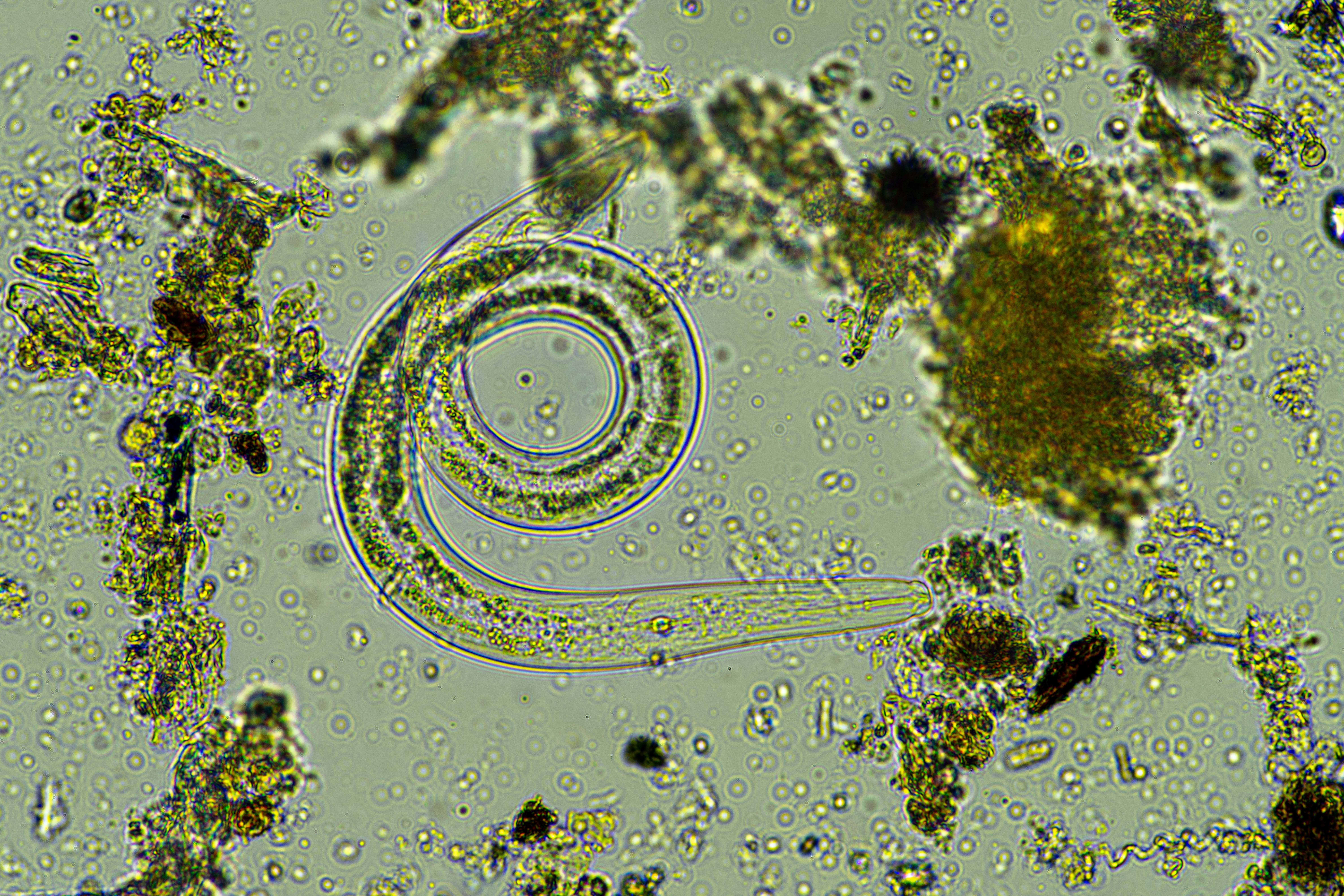
There are some golf courses pests that are only too visible. Think rabbits and badgers. There are others, though, that you will never have heard of. And, this one, you won’t even have seen.
In a regular series, Syngenta technical manager Sean Loakes takes you through some of the major pests seen on golf courses and outlines why they can be so problematic. This time, it’s a microscopic creature known as a nematode…
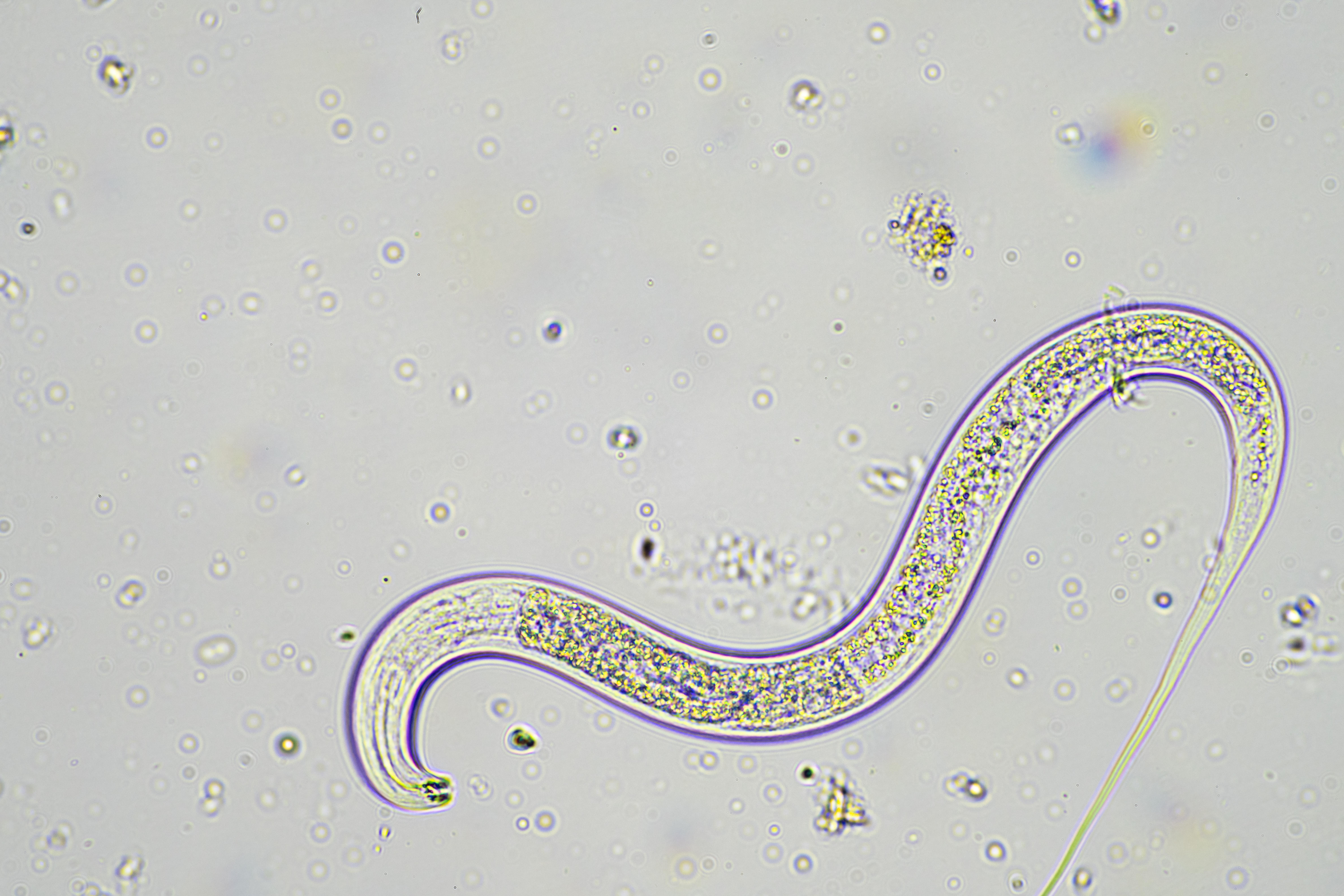
What are nematodes?
Think about it like cholesterol. You’ve got good and bad cholesterol and you’ve got good and bad nematodes. Entomopathogenic nematodes that target insects and chafer grubs and leatherjacket larvae are perfect.
They crawl inside them, breed and kill them. They don’t do anything bad to turf. They’re fermented, we release them as a spray, and we can get good levels of control. It’s not the same as a chemical, and it’s harder to get right.
Certain conditions have to be met. If the soil’s too cold, they don’t work. If it’s too dry, they don’t work. The ‘bad’ nematodes are plant parasitic. They’re not in any way interacting with the insect pests but they are going in and attacking grass roots.
How can nematodes affect golf course turf?
The populations can get quite high. There is always going to be a level of nematode damage to roots and, most of the time, it’s not a problem.
But if you get specific conditions – where there is plenty of water and heat around and a sand root zone that hasn’t got much else going on in it – then these pests can get to quite dangerous levels. You can start to lose turf.
There are a few different varieties. Some will go into the root tissue, some will attack and consume it from the outside. The plant is less able to take on water and fertiliser and will be killed if nematodes are there in high enough densities.
Advertisement
What can be done?
It’s very limited. There are no chemical controls available to golf course managers. There are some biological solutions but they have limited periods of activity.
- This article appears in Your Course, the twice-yearly publication from the British and International Golf Greenkeepers Association. Your Course invites golfers to gain a deeper appreciation of what preparing and maintaining a golf course really involves. Head to www.bigga.org.uk to find out more.
Now have your say
Has your golf club suffered with nematodes? What were they able to do about them? Let us know by leaving a comment below or on X.