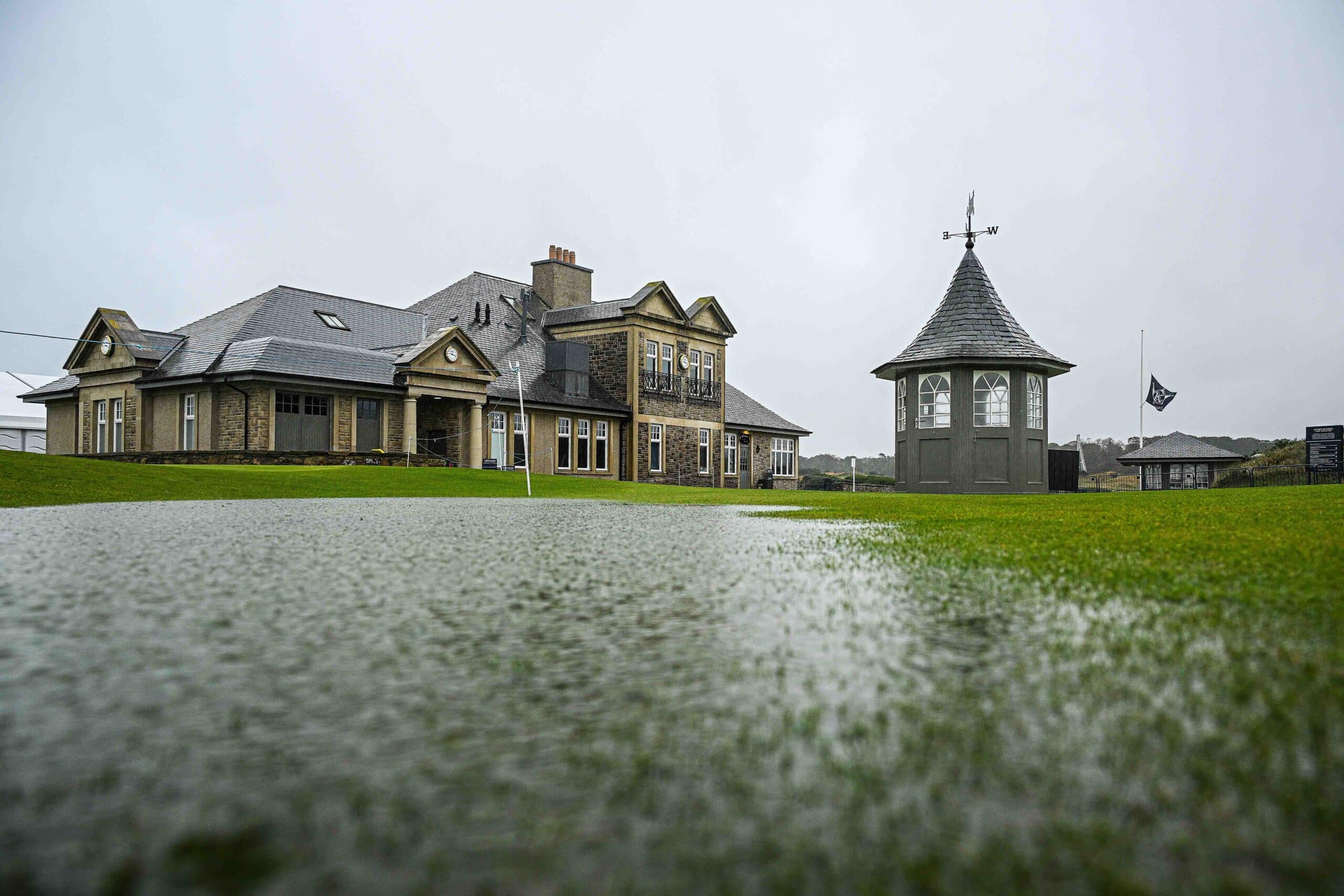



Extreme weather and course closures are becoming more common place. We’re getting used to rain and other inclement conditions
For Your Course, produced by the British and International Golf Greenkeepers Association, we spoke to three course managers from across the UK to understand how they overcome common problems that arise on golf courses during winter.
This week, we’re considering how much weather patterns have changed and how they impact on the jobs your greenkeeping teams can do.
Tackling those questions are Michael Rogers, course manager at York; experienced greenkeeper Jez Ward; and Antony Kirwan, the course manager at Romford and a BIGGA board member.
How much have weather patterns changed?
Michael Rogers: What we are seeing is extreme weather. It’s hotter summers and wetter, milder winters. I’ve been a greenkeeper for 33 years and we used to get a lot of snow in September, October and around Christmas.
If you get two weeks of hard frost, that’s our winter these days. Last year, just before Christmas, we had a couple of weeks where it was -4 and -5 degrees Celsius for probably two weeks.
But other than that, we’re just getting a little morning frost most of the time and we’re getting a whole lot more rain. When it’s frosty and cold, you don’t normally get rain because you’ve got clear skies. When it’s a bit milder, the clouds come across and it leads to constant rain.
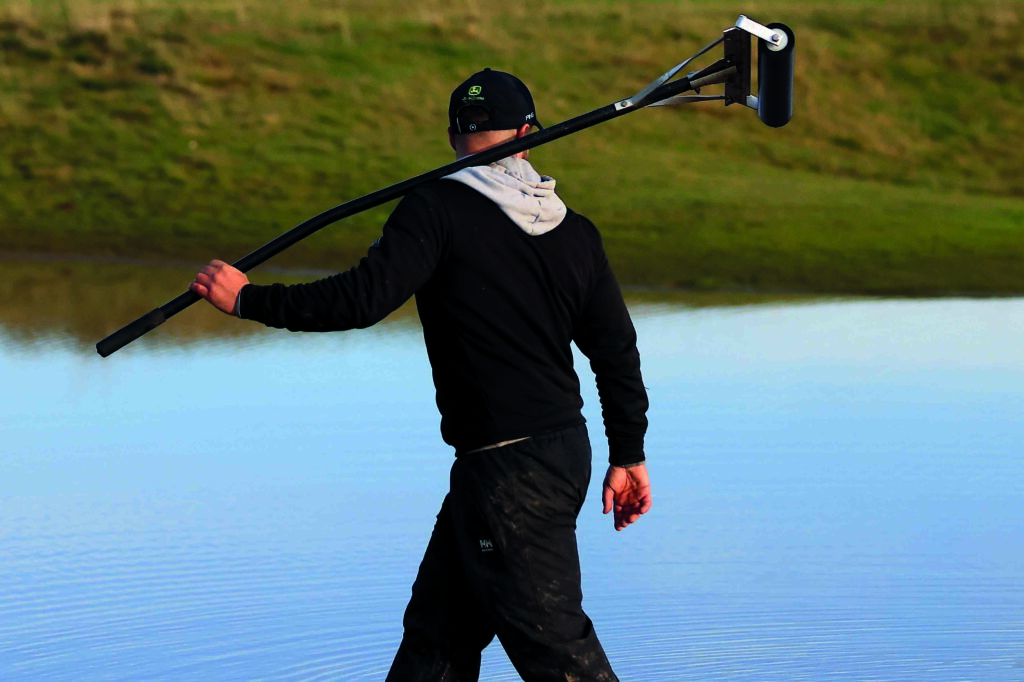
How does that weather impact on the jobs that you do?
Antony Kirwan: It impacts massively because there is no consistency and you’re not sure how to deal with it.
You don’t really know if you’re going to get a heatwave until seven days out and, even then, they’re still guessing. You can put some wetting agent down as preparation but that costs money and so you don’t want to waste that resource if you don’t have to.
Advertisement
You just have to prepare for the worst and get your processes in order. Hot weather does have its upsides, though. When it is hot and dry or there’s a drought, you aren’t using your cutting machines because growth slows, so you are saving money on fuel and maintenance costs. You find yourself doing other jobs that you might not expect to be doing in summer.
Jez Ward: When I first went to Renishaw Park there were a lot of issues. We didn’t have an efficient irrigation system and we were losing gallons of water while switching it on. I wouldn’t even finish a programme before the water ran out.
Then we had the drought, where we had 40-odd degree heat, and we had no water to get out because of the leaks that had been left for years.
The change in the weather would be so quick that the course would go from a boggy field where I couldn’t get machines out for fear of causing damage, to a dried, browned-off golf course that everybody wanted to play on.
This last winter, Renishaw closed for good and I went to The Grange, where they had experienced the most rainfall since records began.
The greenkeepers hadn’t been able to get on their golf course for such a long time and in some places the grass was over ankle deep! Yet people still wanted to play golf.
The basics of greenkeeping on a parkland course are always determined by what is happening above and below you.
Anything that’s even slightly out of the ordinary immediately puts you on the back foot because you try to protect what you’ve got and you have to be delicate so as not to cause further damage.
Michael: The weather can impact a golf course and how a greenkeeping team works. During droughts, we need to keep the grass alive by using irrigation systems and some wetting agents.
We put wetting agents down on greens and tees and that helps to spread the water evenly and stops dry patch. We have irrigation on greens and tees and, if it’s extreme drought, we will stop cutting grass as that helps protect the golf course.
We’d back off a little bit during those periods by not cutting quite as frequently and lifting heights of cut. That helps us avoid stressing the grasses out more than they already are.
We can still do minor tasks to keep the course manicured, but at times like those it is important to back off and give the course chance to breathe.
- This article appears in Your Course, the twice-yearly publication from the British and International Golf Greenkeepers Association. Your Course invites golfers to gain a deeper appreciation of what preparing and maintaining a golf course really involves. Head to www.bigga.org.uk to find out more.
Now have your say on extreme weather
What do you think of how greenkeepers are dealing with extreme weather? Have changing weather patterns affected how much you can play golf? Let us know by leaving a comment on X.
Advertisement