


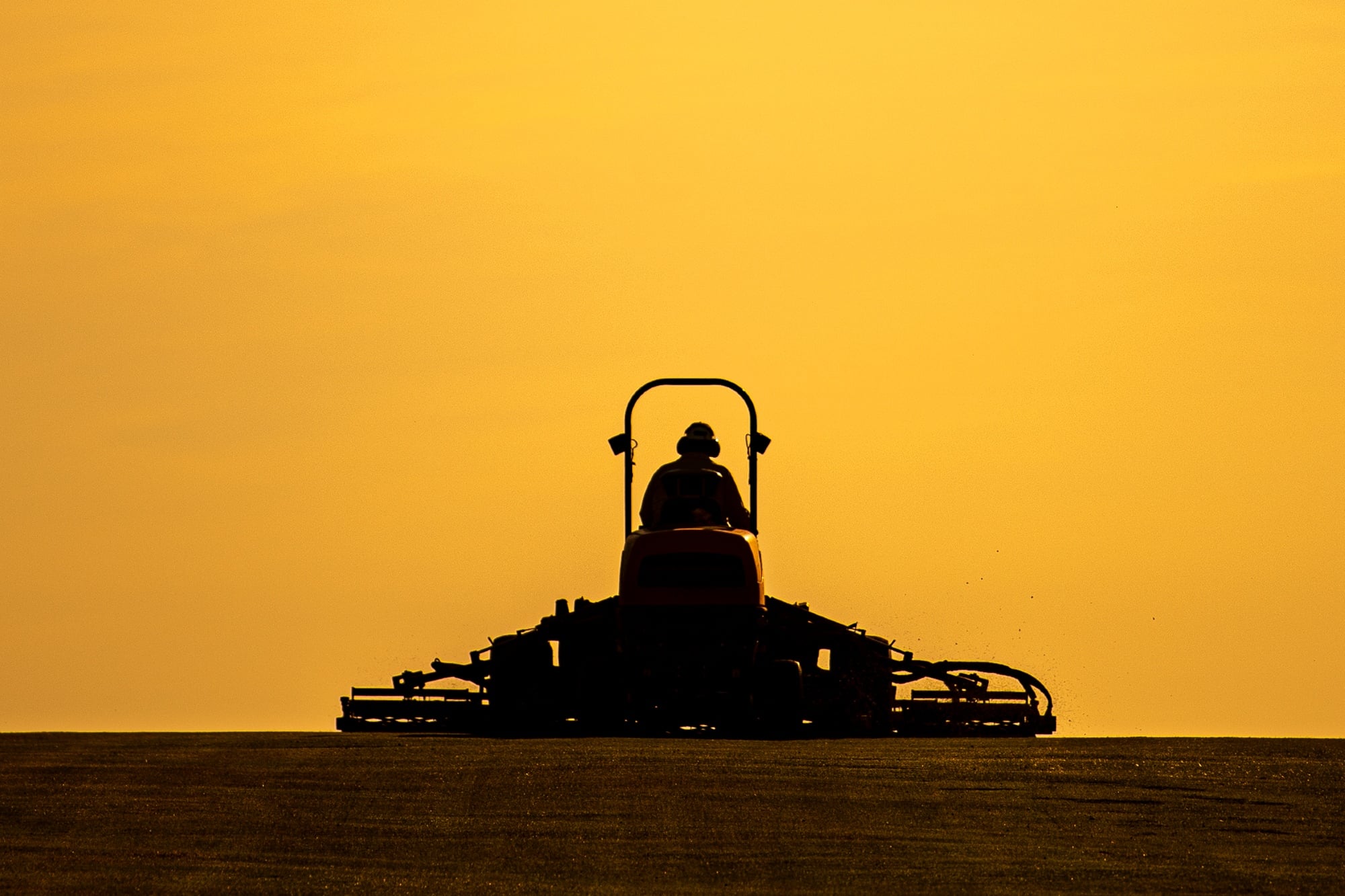
Height of greens – it’s a metric that many of us are obsessed about. We think it makes them quicker and we’d love for our putting surfaces to be slick all year long.
But winter brings challenges. Grass doesn’t grow as quickly, for a start, and courses need to be careful they don’t damage their plants by further stressing them when the weather is at its coldest.
For Your Course, produced by the British and International Golf Greenkeepers Association, we spoke to three course managers from across the UK to understand how they overcome common problems that arise on golf courses during winter.
This week, we’re looking at the height of cut on greens during the winter. And we’re also going to consider how best to protect those vulnerable areas of golf courses that always seem to be at risk when the mercury seriously drops.
Tackling these debates are Mark Crossley, the course manager at Prestbury, in Cheshire; Greg Fitzmaurice, a master greenkeeper who is the course manager at Hunley, in North Yorkshire; and Chris Rae, who is the course manager at Orkney, in the Northern Isles.
What height of grass do you like your golf greens to be in the winter?
Greg Fitzmaurice: “We don’t cut that short anyway, but we do raise the height of cut on the greens. At the moment [August] we’re at 4.5mm, which is probably on the high side for the average club, and we’ll go up to between 5-6mm.
It’s a judgement call but we normally knock them up about a millimetre and time that with a bit of a feed and maybe topdress as well.”
Mark Crossley: “We’ll start to raise our heights of cut from early October from 3mm upwards in increments of 0.5mm until we hit 5mm at some point in November, and that just adds a bit of protection to the plant.
Advertisement
When growth slows down and you get the onset of disease pressure during the late autumn months, having a healthy plant is pivotal, especially now as we’re losing products left, right and centre. The stronger the plant is going into the winter period, the stronger it’ll be coming out of it.”
Chris Rae: “We normally cut to about 4.2mm and we can’t go much lower than that with the wind here. We don’t have irrigation so we can’t soften the greens, and we’ve got a couple on slopes so that’s borderline for us anyway.
Any lower than that and I’d probably get the sack because people will have balls rolling back to their feet. In winter we incrementally increase it until we get up to 6.5mm.”
What are the best ways of protecting vulnerable areas?
Mark: “We look at that from a pre-emptive point of view, as opposed to a reactionary point of view. We take preventative measures and get the ropes and the hoops out there sooner and make sure there’s no damage that could last all winter and into the playing season.
It’s about educating the staff as well in areas where they shouldn’t drive in wet conditions as that is just as important as educating the members.”
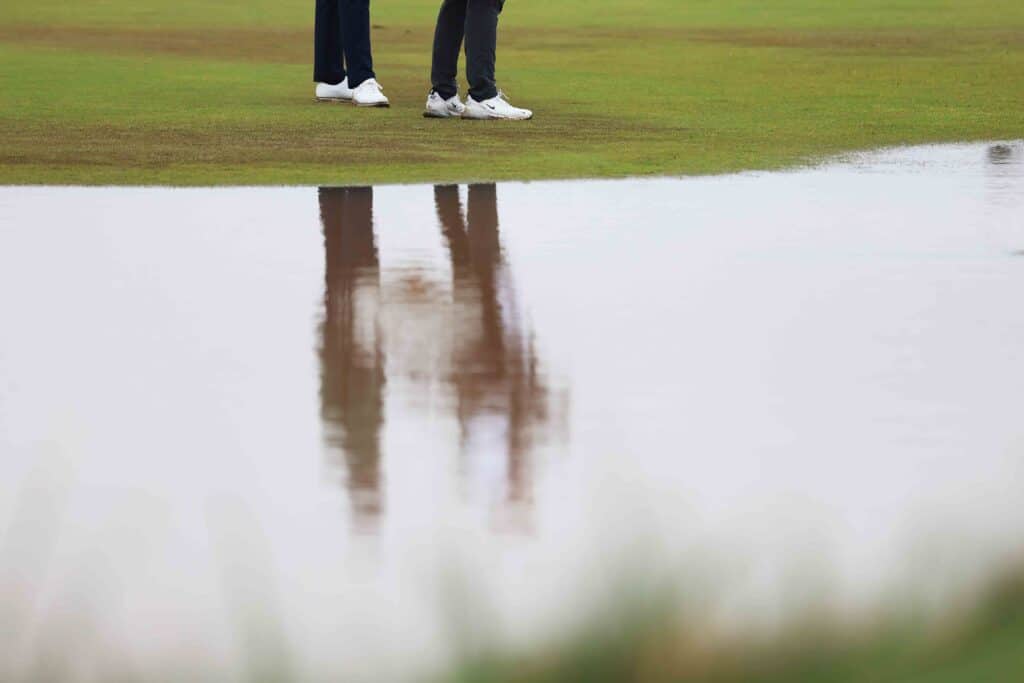
Greg: “We’re quite lucky as we’re able to get rid of water fast, so we don’t get areas of standing water all the time. It’s more about pinch points where there’s not much room for moving golfers around, and what we’ve done there is installed hardstanding paths. We’ve only got two or three areas of the course that could do with fixing from that point of view.”
- This article appears in Your Course, the twice-yearly publication from the British and International Golf Greenkeepers Association. Your Course invites golfers to gain a deeper appreciation of what preparing and maintaining a golf course really involves. Head to www.bigga.org.uk to find out more.
Now have your say
What do you make of these comments on the height of a winter golf green and protecting vulnerable areas? Would you like a golf green to be cut shorter in the winter, or should we leave that decision up to the experts? Let us know by leaving a comment on X.
Advertisement