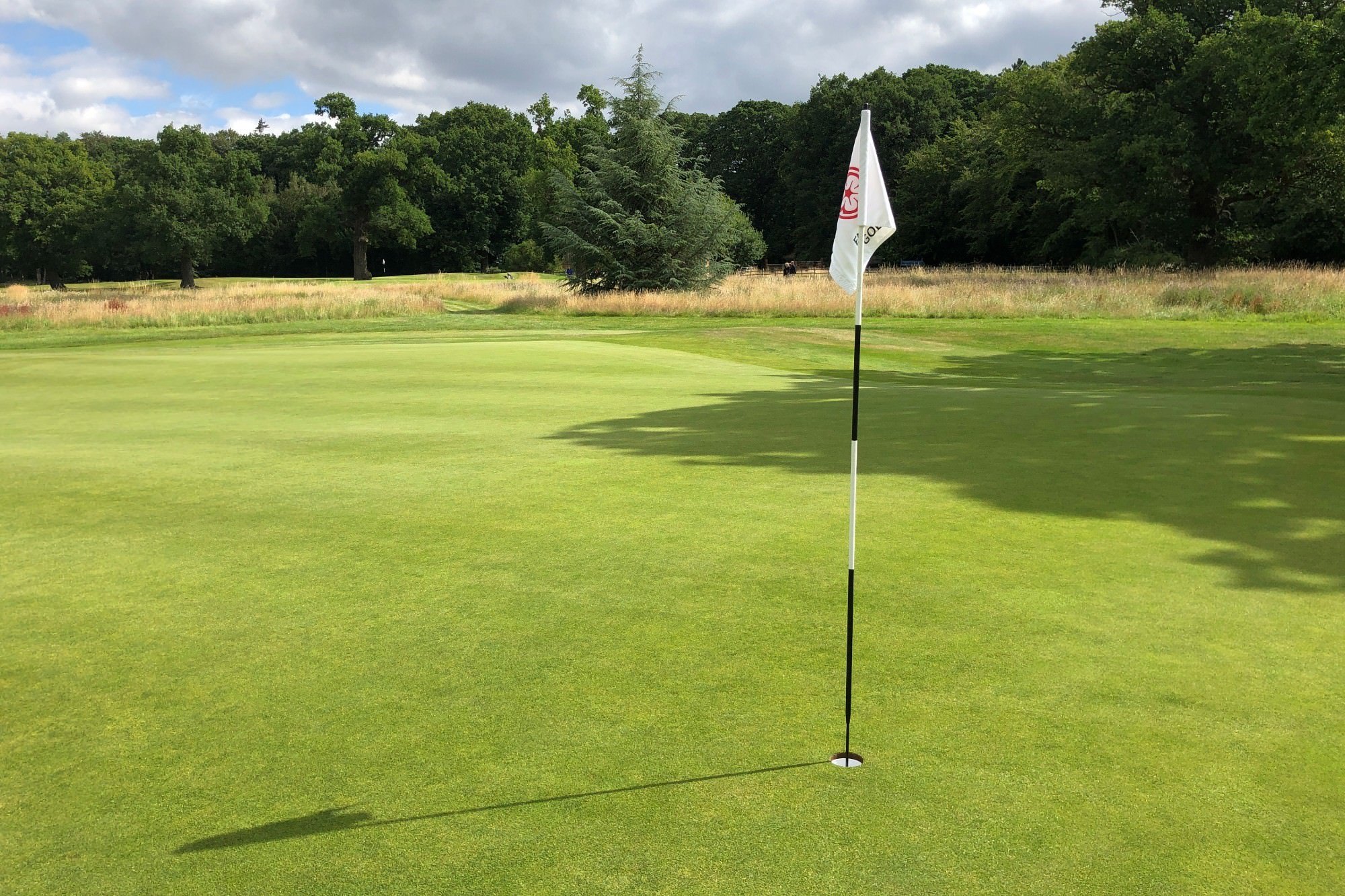
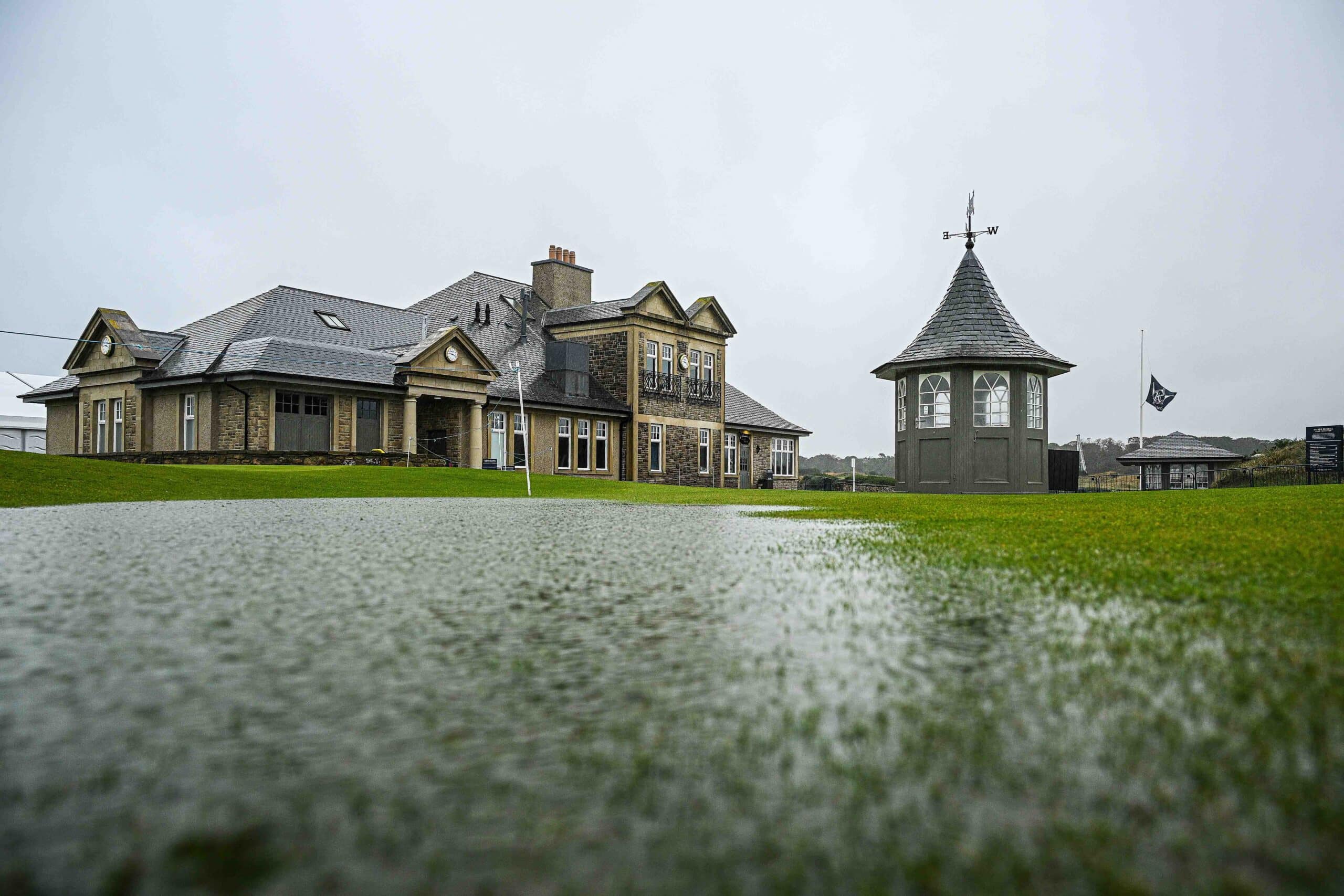
When the clocks go back in October, as they did last weekend, golfers across the country find their evening playing time has disappeared into the shadows.
Those glorious summer evenings, when you can squeeze in nine holes after work, feel ever more distant.
But did you know that we have a fellow golfer to thank for the extra hour of evening daylight we enjoy during the summer months?
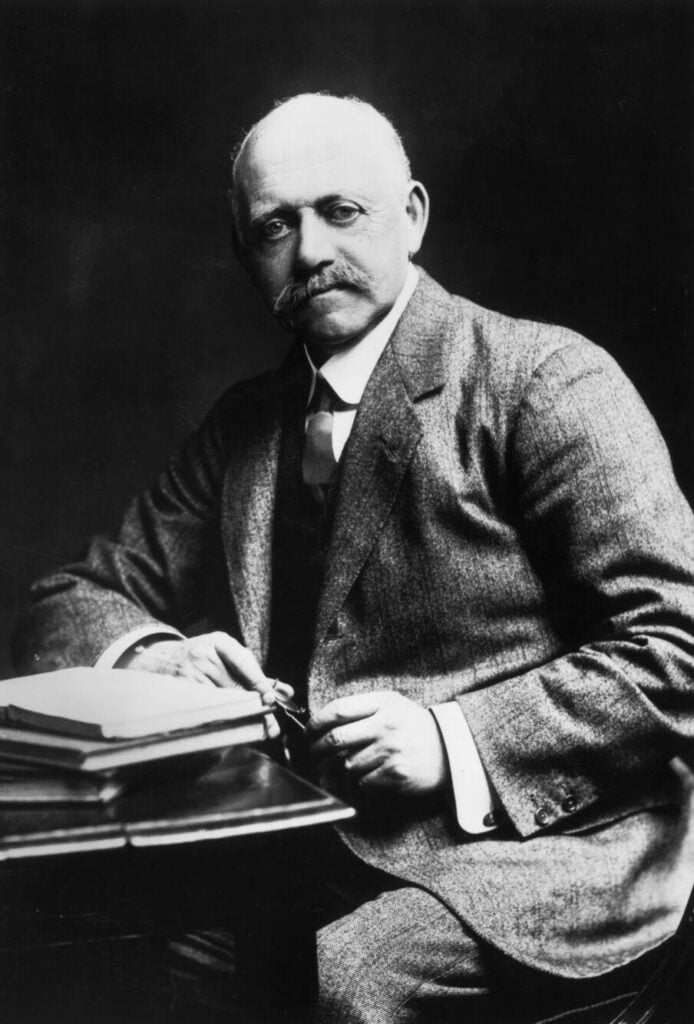
His name was William Willett, and although he died more than a century ago, his influence is still felt by millions of people.
He wasn’t a professional golfer or course architect. He was a builder from Surrey who loved spending time outdoors.
And his frustration with the amount of daylight being wasted by his contemporaries would eventually change how Britain organised its days.
Who was William Willett?
Born in Farnham, Surrey, in 1856, Willett was a house builder who spent much of his life in Chislehurst.
He was fond of natural light, designing properties with large bay windows to allow sunlight to flood into people’s homes. But it was during his early-morning horse rides that he had a lightbulb moment.
Willett noticed many houses still had their blinds drawn, despite the sun having risen and the day being underway.
He wondered why people were sleeping through perfectly good daylight, only to find themselves running out of it when they finished work.
For somebody who enjoyed outdoor pursuits, particularly golf, this seemed a waste. His theory was to change the clocks so people could make better use of the daylight available to them.
ALSO: Forget the course, winter golf is all about hitting the range
How did golf inspire daylight saving time?
Willett was a keen golfer with connections to Chislehurst Golf Club, a venue he helped establish during the 1890s.
After acquiring the Camden Place estate, which included the mansion that would become Chislehurst Golf Club’s clubhouse, Willett initially intended to develop the land for housing.
Advertisement
However, he eventually created a golf course, appointing Tom Dunn to design nine holes for men and a smaller nine-hole layout for women.
In 1907, he published a pamphlet entitled The Waste of Daylight, arguing that Britain’s clocks should be adjusted to give people more usable daylight in the evenings. He also estimated that the change could save at least £2.5 million a year in lighting costs.
He wrote about the limited opportunities for recreation after the working day, particularly for those who enjoyed spending time in nature. His original proposal was rather different from the system we know today.
Instead of putting the clocks forward by one hour overnight, Willett suggested advancing them by 20 minutes on four successive Sundays in April, before reversing the process in September.
Imagine the carnage that system would cause at golf clubs today.
Although golf was an important part of Willett’s life, his campaign wasn’t exclusively about the sport. He believed additional evening daylight would improve people’s health and general wellbeing.
Nevertheless, it’s easy to understand why somebody who played golf would appreciate an extra hour or so to squeeze in a few holes before the end of the day.
Despite support from influential political figures, including Winston Churchill and David Lloyd George, Willett struggled to convince Parliament to adopt his proposal.
The outbreak of the First World War eventually changed attitudes towards daylight saving. With Britain looking for ways to conserve fuel and make better use of its resources, the potential economic benefits became increasingly attractive.
The Summer Time Act was passed in 1916, introducing British Summer Time and moving the clocks forward by one hour.
Willett had died from influenza in 1915, aged 58, before his campaign finally succeeded.
Willett’s contribution is commemorated in Chislehurst, where he is buried at St Nicholas Church. A memorial sundial and a blue plaque also recognise his legacy. He even has a pub named in his honour, the Daylight Inn in Petts Wood.
Now have your say
What do you make of this daylight saving golf story? Had you heard it before? Tell us on Facebook!
NOW READ: Why can’t all club competitions be roll-ups? It’s not that complicated
NOW READ: Are golf clubs bringing in preferred lies too early?
Advertisement