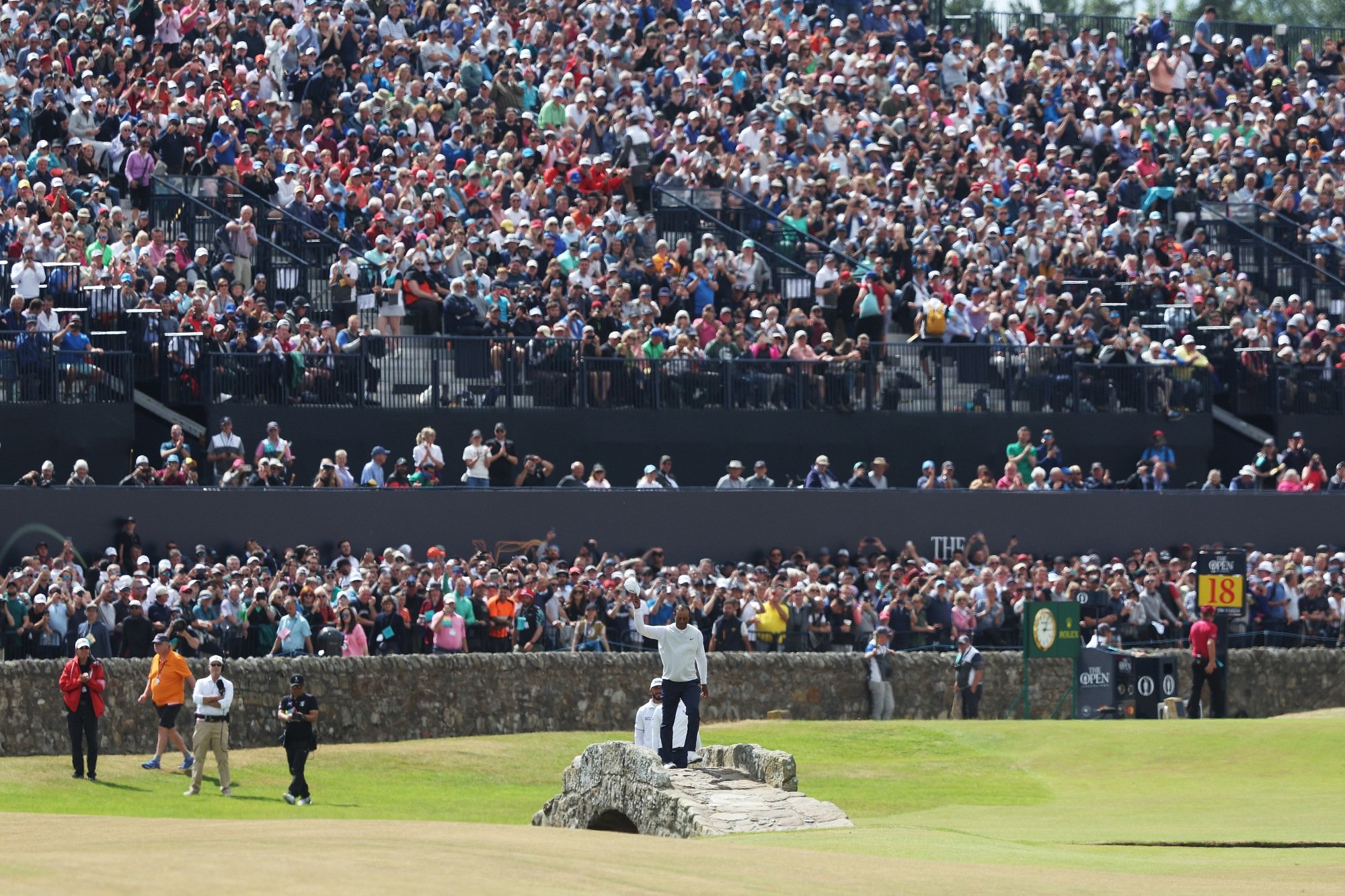



Was it simpler in the old days? You didn’t play finish a hole in a Medal for whatever reason, scratched No Return across your card, and accelerated straight to the bar.
Net double bogey existed, of course, for handicap purposes but, outside of Stablefords, did anyone pay any attention?
Every hole counts, though, in the World Handicap System and messing up a hole is no longer a good enough excuse to put a big cross right through your scorecard. Now you can have a big ‘nought’ – you can have several in fact – and still have an adjusted score that appears on your handicap record.
That’s not altogether cleared up the confusion when scores are being entered into the computer and Geoff asked me this question over email: “When you have a bad hole and enter a zero it asks something like: Hole attempted but didn’t score or, hole not attempted.
“What is the difference between these as it would appear that both get you a default score of nett double bogey?”
Let’s take a look at the two terms and see if we can work it out…
World Handicap System: Hole not played and hole not finished
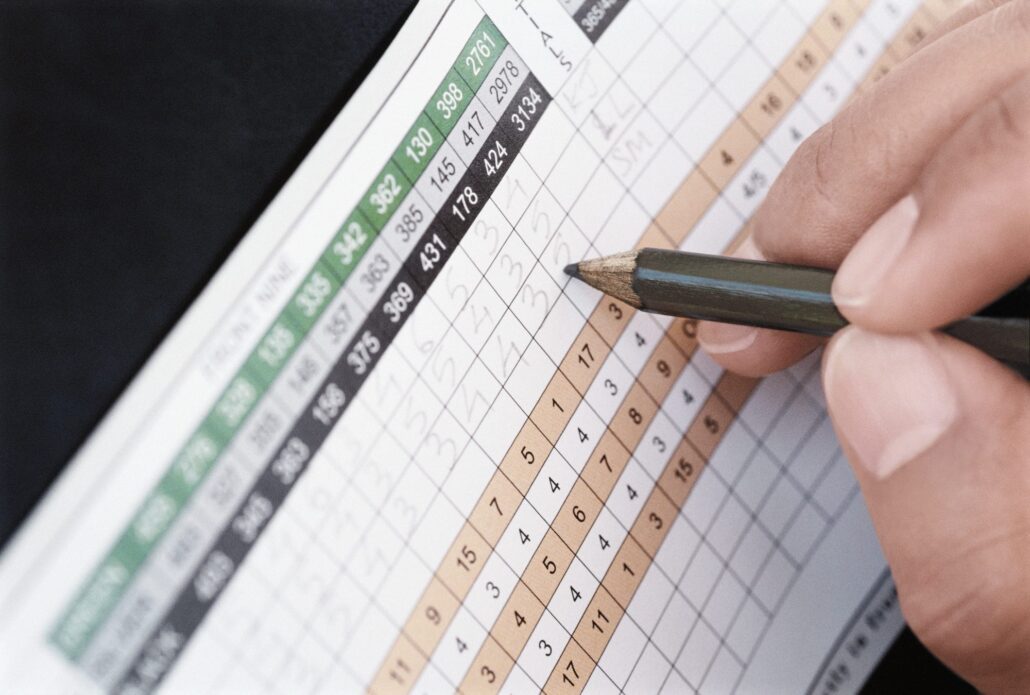
Hole started but not finished
When you’ve started a hole but don’t finish it, you’ve got to have a valid reason for doing so. The score that’s recorded depends on the format of play, so if it’s Stableford then it’s zero points.
You can put a zero, or a space, into the computer when recording your score if it’s a medal. You’ll be disqualified from the competition but you’ll be given a net double bogey for handicap purposes. If it’s a maximum score format, then that’s the number you’ll put on the card.
When a hole is not played
Your score can still be acceptable for handicap purposes if one or more holes have not been played.
Advertisement
If you’ve completed at least the minimum number of holes required for a 9 or 18-hole round to be deemed acceptable, in the latter case in the UK that is 10, the Rules of Handicapping say a score differential will be created using the player’s “expected score for the hole or holes not played”.
For those of you whose eyes have lit up at that prospect, you’ve got to have a valid reason for not playing a hole – or holes.
Having a good score and thinking you can net par your way into the clubhouse is not one of them.
They include failing light or bad weather, injury or illness, or a hole that’s declared out of play by a committee for maintenance purposes.
Frequently Asked Questions about the World Handicap System
What is the World Handicap System?
Also known colloquially as WHS, the system was developed by the R&A and USGA together with existing handicapping bodies around the world.
Designed to be unified, it aims to provide a “single, consistent measure of playing ability that calculates a golfer’s handicap in the same way regardless of their location in the world”.
It is now used by more than 120 national associations. With the Rules of Golf, Rules of Handicapping and Rules of Amateur Status under a single set of regulations, WHS brought handicapping under the same umbrella.
What are the benefits?
The R&A, on their website, say the benefits of WHS are:
- Consistency of calculation around the world;
- Portability of handicaps from course to course and country to country;
- As the world becomes a smaller place with a much greater frequency of international play, the development of a single handicap system facilitates easier administration of international events;
- The potential for National Associations to focus attention on other areas.
How does the World Handicap System work?
Your Handicap Index is worked out from the lowest scoring differentials in your record. A full record is considered to be one that contains at least 20 scores.
The index is then calculated by averaging the best eight of those 20.
Having obtained a Handicap Index, that is converted into a Course Handicap which takes into account the difficulty of the course and the tees from which you are playing.
Working out that number requires considering a number of factors, including Course Rating, Slope Rating and Bogey Rating.
In competitions only, depending on the format, an allowance can then be applied that changes the Course Handicap.
But this Playing Handicap, which aims to provide equity, does not affect the Score Differential produced for your handicap record.
Is the World Handicap System the same in all countries?
No. National Associations have discretion to alter small parts of the system depending on the golfing culture of their countries.
For example, in the United States, ‘most likely score’ allows players to pick up and add a score to handicap in certain conditions and formats but is not applicable in GB&I.
The aim is for the system to maintain its key principles – such as Course Rating and Slope – but allow for some flexibility in formats.
How often is it updated?
Just like the Rules of Golf, the Rules of Handicapping are reviewed and updated on a four-year cycle. The most recent came into effect at the start of 2024.These 2024 World Handicap System changes were applied in Great Britain & Ireland in April 2024.
Now have your say
Have you ever been caught out when the computer has posed the hole not started/not played conundrum? Let me know how you solved it by contacting me on X.
Advertisement