



Cold mornings, biting winds and unexpected showers are all part of autumn and winter golf. The right layers help you take them in your stride, keeping you comfortable and moving freely from the 1st tee to the final green.
There’s an art to getting the combination right. Lightweight warmth, breathable fabrics and protection where you need it allow you to build an outfit that adapts throughout your round. In this guide, we’ll explain what each layer does and how to put them together when the weather turns.
Why is layering important for golf?
Staying warm is important, but you still need to swing freely. You want your clothes to work with you, allowing you to turn comfortably without feeling restricted across your shoulders or weighed down by bulky garments.
Layering gives you options throughout the round. You can remove a mid layer as the morning warms up, reach for a windproof jacket on an exposed hole or pull on waterproofs when a shower arrives. A few well-chosen pieces make those adjustments easy.
Being too hot can be uncomfortable, too. Breathable and thermal-regulating materials help manage warmth and moisture as you walk. Choosing the right fabrics helps you stay comfortable beneath your layers, especially when a brisk walk up the fairway is followed by a wait on the next tee.
Understanding the different layers
The base layer: When you need extra temperature control
Layering starts by laying the foundations. A good base layer should be well fitted to help with body temperature regulation, sitting close to your skin while giving you the freedom to move through every swing.
A thermal base layer helps retain warmth before you add extra protection on top, ready to take on colder conditions. Galvin Green’s Elmo top uses SKINTIGHT THERMAL technology, combining knitting techniques and technical fibres to produce a light, airy material designed for warmth, comfort and breathability.
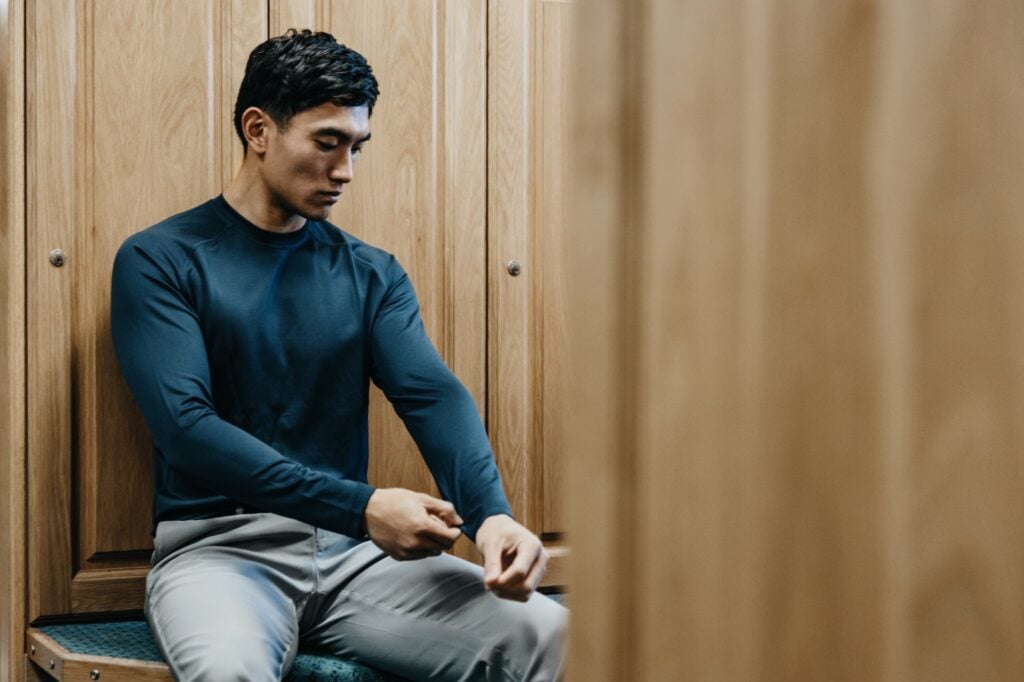
Think of it as your starting point for frosty mornings and cold winter rounds. When the forecast is milder, you may find that a polo and mid layer give you all the warmth you need.
Advertisement
The polo: Your everyday starting point
For many golfers, this is the starting point of an outfit, particularly in mild conditions. It’s a garment that brings together fabric technologies to help you feel comfortable when walking and swinging.
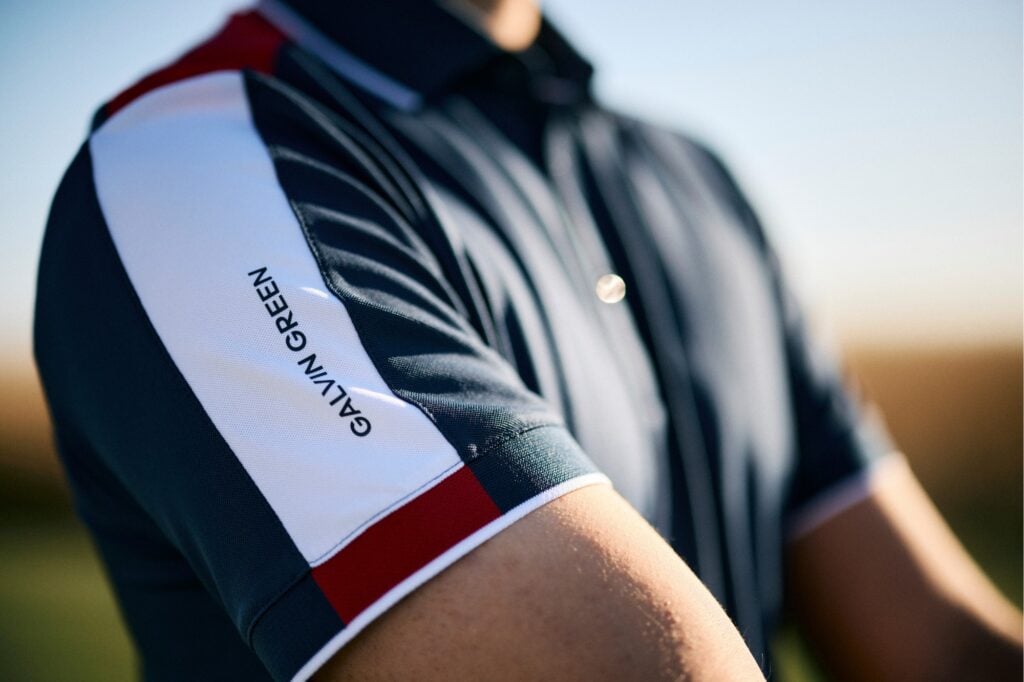
One of these is Galvin Green’s VENTIL8 PLUS, designed to combine breathability with moisture management. Those qualities remain useful when your polo is tucked beneath a sweater or jacket, helping you stay comfortable as you make your way around the course.
The Mulligan polo uses VENTIL8 PLUS fabric to enhance airflow and dry quickly, while the Muir combines the technology with stretchy fabric for freedom of movement. Wear your polo on its own when conditions allow, or over a thermal base layer when you need a warmer foundation.
The mid layer: Adding warmth without bulk
Mid layers are designed to add warmth when a polo or base layer simply isn’t enough. They come in many different forms, whether that’s a sweater, a quarter-zip or a hoodie. The aim remains the same: to be light and unrestrictive.
Galvin Green uses INSULA technology with different levels of warming effect, allowing you to choose the insulation that suits the conditions. Your mid layer can be the finishing touch on a dry, mild day or sit beneath an outer layer when the weather demands more protection.
The Darryl crew neck uses Warming Effect #1 INSULA fabric, offering lightweight warmth with a soft feel. The Dalton half-zip combines insulation with stretch and breathability, while the Daniel full-zip sweater is easy to put on or take off as conditions change.
Before heading out, try your mid layer with the jacket you plan to wear over it. Take your stance and make a few practice swings. Everything should move comfortably with you, with enough room across your shoulders and no bunching beneath the jacket.
The outer layer: Your shield against the elements
Golfers come across many different types of playing conditions, and with that comes a requirement to be adaptable. Galvin Green has an extensive line-up of options when it comes to choosing an outer shield.
The right choice depends on what you’re heading into. A cool, breezy afternoon may call for a vest, while a wet winter forecast means packing waterproof protection.
A vest is a strong option for many golfers. It can be added on top of a polo shirt, with a base layer underneath if needed, for an added boost of warmth and protection. Equally, if you’re looking for more warmth, it can be layered over a mid layer.
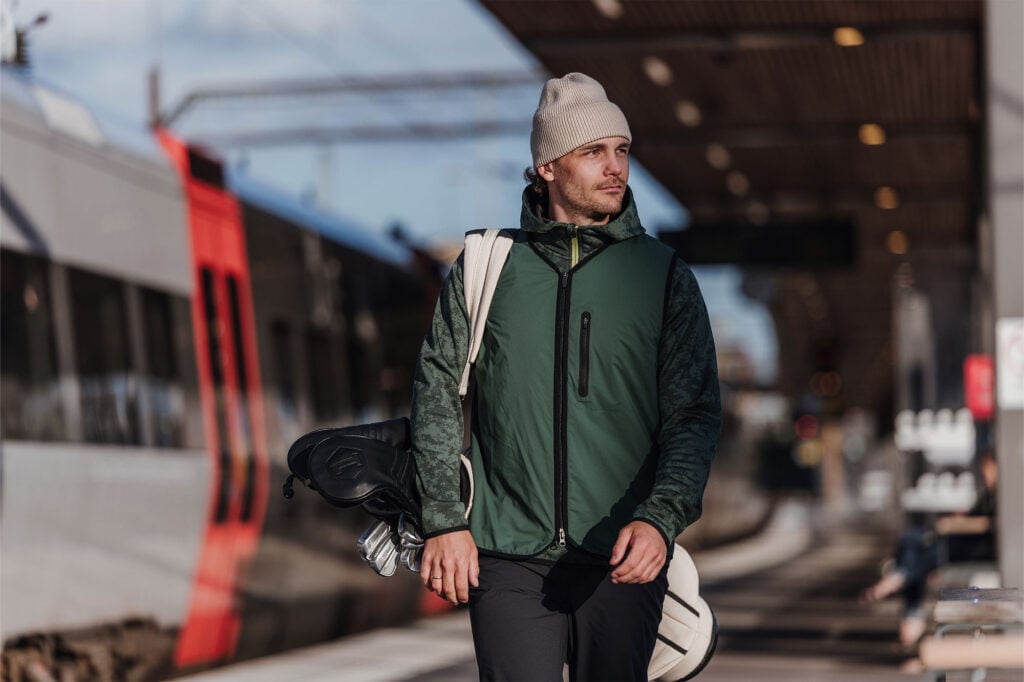
Galvin Green’s INTERFACE-1 vests offer windproof protection while maintaining freedom of movement. The padded Luca vest features stretch panels and is ideal for layering over a mid layer on crisp mornings. The lightweight Leo provides another option for cool or windy conditions.
With your arms uncovered, a vest offers a useful balance of protection around your body and freedom through the swing.
A windproof jacket when the breeze picks up
If you’re after more coverage than a vest, a windproof jacket is the next option. It protects your body and arms, helping you stay comfortable when the wind strengthens or you reach an exposed stretch of the course.
The Lloyd jacket combines windproof protection with stretch and breathability. Its water-repellent finish also provides protection if you get caught in a light shower. It’s a versatile layering option for days when you want coverage without bulk.
For colder conditions, the London jacket adds Thermore padding, providing extra warmth without restricting movement during the golf swing.
A waterproof jacket when rain sets in
If you’re caught in heavier or persistent rain, a waterproof jacket gives you the outer protection you need. It should fit comfortably over your other layers and leave you free to swing.
Advertisement
Galvin Green’s Alonzo DRYVR jacket uses PERTEX Shield Stretch technology to deliver waterproof, windproof protection, with adjustable details to help you find a comfortable fit. The lightweight Arlo jacket also uses PERTEX Shield Stretch for protection in wet conditions.
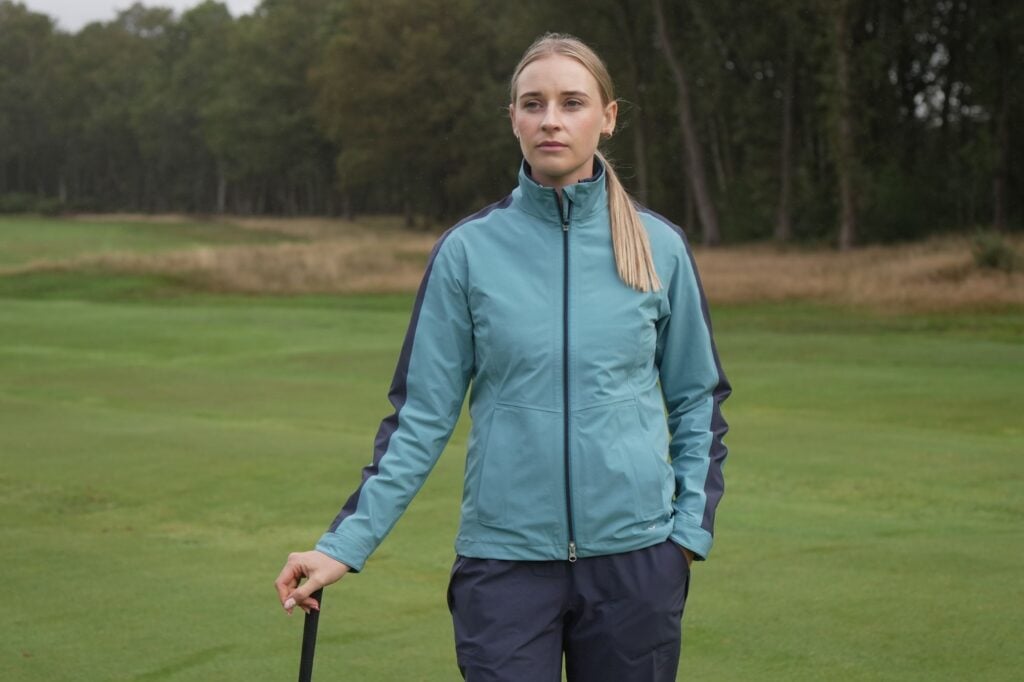
Remember the difference between water-repellent and waterproof clothing when checking the forecast. A water-repellent windproof jacket offers protection in a light shower; for sustained rain, reach for your waterproofs.
Putting your layers together
What to wear for cold, dry golf
Start with a thermal foundation such as the Elmo, add your polo and build warmth with a mid layer such as the Dalton. This gives you a combination you can adjust if the temperature rises during the round.
For an extra boost of warmth around your body, add a vest over your mid layer. If you want more coverage, the padded London windproof jacket is an option for colder conditions.
What to wear when it’s windy
Match the layers beneath your windproof jacket to the temperature. A polo and the Lloyd may be enough on a mild but breezy day. When it’s colder, a mid layer or thermal base layer adds warmth beneath that windproof protection.
Don’t overlook your legs. The Lane windproof, water-repellent trousers are designed for days when it’s too cold for regular golf trousers but you don’t need waterproof trousers.
What to wear for a wet round
Choose your base and mid layers for the temperature, then add an Alonzo or Arlo waterproof jacket. On a mild, wet day, you may feel more comfortable with fewer layers beneath your waterproofs.

Complete the protection with waterproof trousers. The Alan trousers use stretchy PERTEX Shield Stretch fabric and are available in a range of waist and leg lengths, helping you find a fit that feels comfortable as you walk and swing.
Advertisement
Stay ready to adjust
Check the forecast before leaving and give yourself options in the golf bag. An extra mid layer lets you add warmth when you need it, while waterproofs keep you prepared for a change in the weather.
A few accessories can make colder rounds more comfortable. The Lemmy bobble hat has a windproof lining around the ears, while the Dex neck warmer provides thermal insulation with stretch, breathability and quick-drying fabric.
Pay attention to how you feel as the round develops. Shed a layer when you warm up and add protection when the conditions change. Get your combination right and you can spend more time thinking about the next shot, with clothing that keeps you comfortable through the round.
NOW HAVE YOUR SAY
Do you play much winter golf? Does wearing extra layers affect your golf in any way? Let us know by leaving a comment or by getting in touch with us on X!
- NOW READ: Why your wedges lose so much spin in the rain
- NOW READ: Are expensive golf wedges actually worth the money?
Advertisement