

“At their worst, trees become very bossy because they don’t allow you to shape the ball as you wish.”
That was the view of Dan Murphy speaking on the NCG Top 100s Podcast. He spoke extensively about the new controversial golf course management trend that has seen so many clubs reduce their number of trees.
For some, the mass removal of trees strips away the challenge a course possess. For others, it’s an essential step towards restoring the strategic element to golf.
So, which view point is right? And, more importantly, why do golf clubs see felling their trees as such an important step to improving the playing conditions?
According to the NCG Top 100s Podcast, the answer lays firmly with strategy and agronomy. They argue it’s a process helping to restore the principles of golf, rather than hindering it in any way.
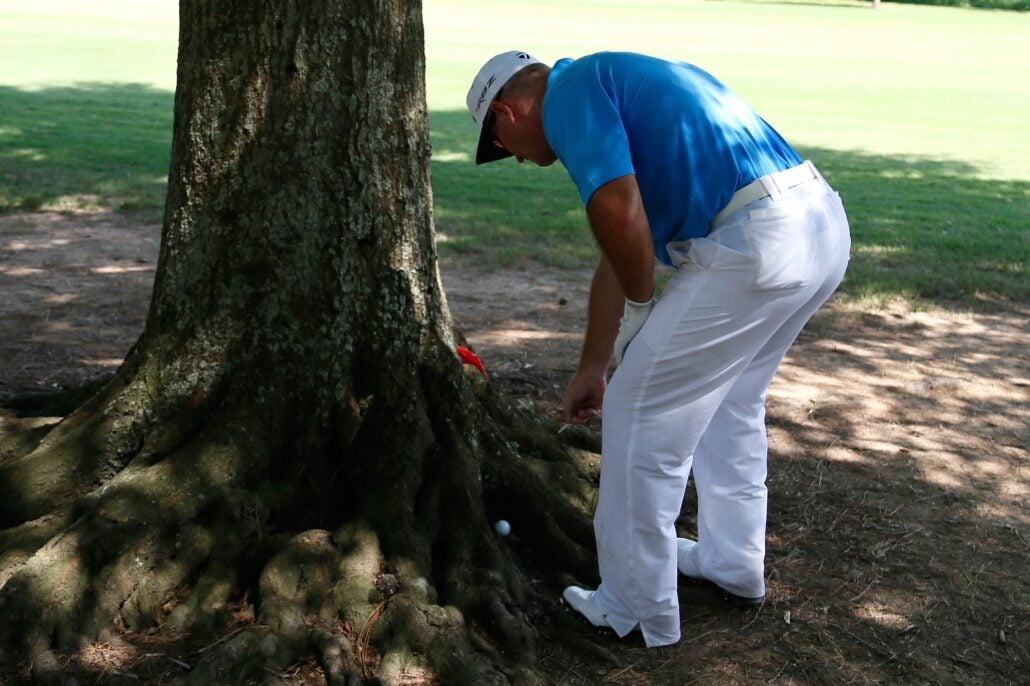
“I think we have come from an era where everything new was good,” Murphy pointed out.
“Going back to the 1990s, the feeling was the old golf courses had their time and we were trying to create something different partly down to the equipment and strength of the players.
“We were often building golf courses on less perspicuous pieces of land. The way to defend them was to add trees because it was a hazard that could be added to any piece of land.
“Over time we’ve then grown trees up on these boundary lines, and then that loses the jeopardy of the hole, often also taking away the best angle to get into a hole. Often, it ruins the strategy, and people don’t always, always notice that.
“A great example is Oakmont, where they’ve taken out something like 7000 trees. We’ve also seen it this year at the last two American major venues – Aronomink for the PGA Championship, and then Shinnecock for the US Open. Both have seen massive tree removal.”
Advertisement
Rather than forcing every golfer down the same route, removing trees can reintroduce the risk-and-reward decisions that architects originally intended. Or at least, that’s the idea.
Both Murphy and his co-host Tom Irwin argue that the excessive use of trees buffing up the fairways, often removes creativity altogether.
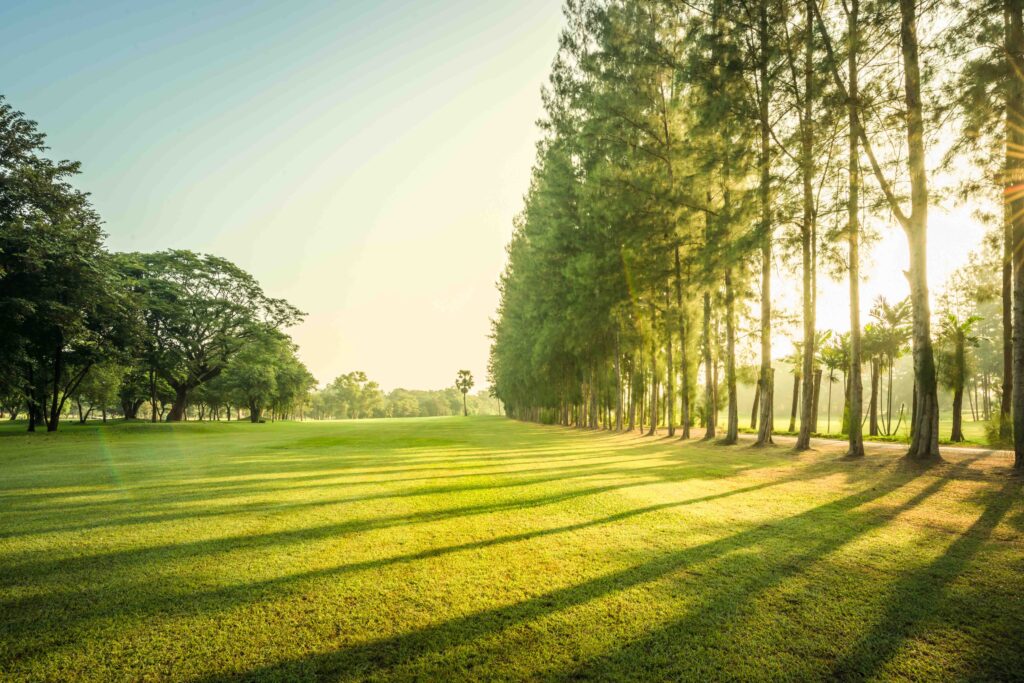
“It’s also restoring interest and decision making to tee shot strategy, and I think you saw a little bit of that at the US Open at Shinnecock,” Irwin noted.
“The fairways were miles wide, but there were lots and lots of options available to people in terms of how they played the hole.
“There are undeniable architectural arguments for tree removal, if the growth of trees has materially affected how a hole is intended to be played.”
Murphy also added: “At their worst, trees become very bossy because they don’t allow you to shape the ball as you wish.
“I’m well up for being rewarded if you’re skilful enough or you’re lucky enough to get on a hole that suits where you want to hit it. But the idea that you can’t, if it’s a left-right dog leg, hit a draw because there are trees in the way, that seems really, really quite unfair.
The case for tree removal is not solely architectural. There are also significant agronomic benefits.
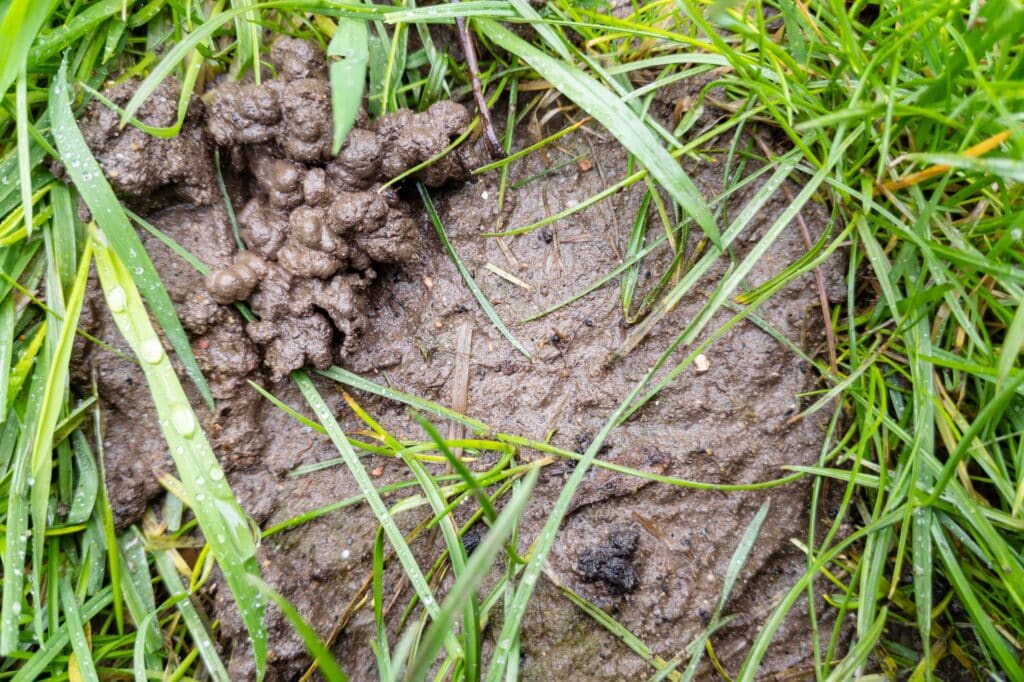
The effect nature trees can have on the quality of the playing surfaces themselves also plays a part. As trees grow larger, they compete with turf for sunlight, water and airflow – all of which are essential for healthy turf.
“We know that particularly non-native trees can materially damage the playing characteristics of a golf course, and the soil profiles, and therefore lead to worse playing conditions for the golfer,” said Irwin.
Murphy explained that trees can have a direct impact on the health of turf throughout the year.
“It is a fact that if you have deciduous trees they are going to impact on the amount of light and breeze that is passing through the land and it will affect both the types of grasses that are able to grow and how quickly they grow,” he explained.
“Obviously, when it’s dry, a tree root is sucking up water, so you end up with those bare patches. Then when it’s wet, then it becomes unbelievably soggy. So you do end up doing significant damage to your turf and also to your grass composition.”
LISTEN TO OUR PODCAST
- NOW READ: How golf course rankings have evolved over the last two decades
- NOW READ: The Fylde Coast trip everyone should have on their radar
- NOW READ: Why Wales offers some of the best value golf in Great Britain & Ireland
NOW HAVE YOUR SAY
Is your club stripping back on the number of trees? What do you make of this trend? Let us know by leaving a comment or by getting in touch with us on X!
Advertisement