


It’s time we spoke about the distances tour professionals hit the ball and what it’s doing to The Open rota.
The venues that have staged the game’s oldest major have been around for generations. But they are simply being exposed by the length of the modern golfer.
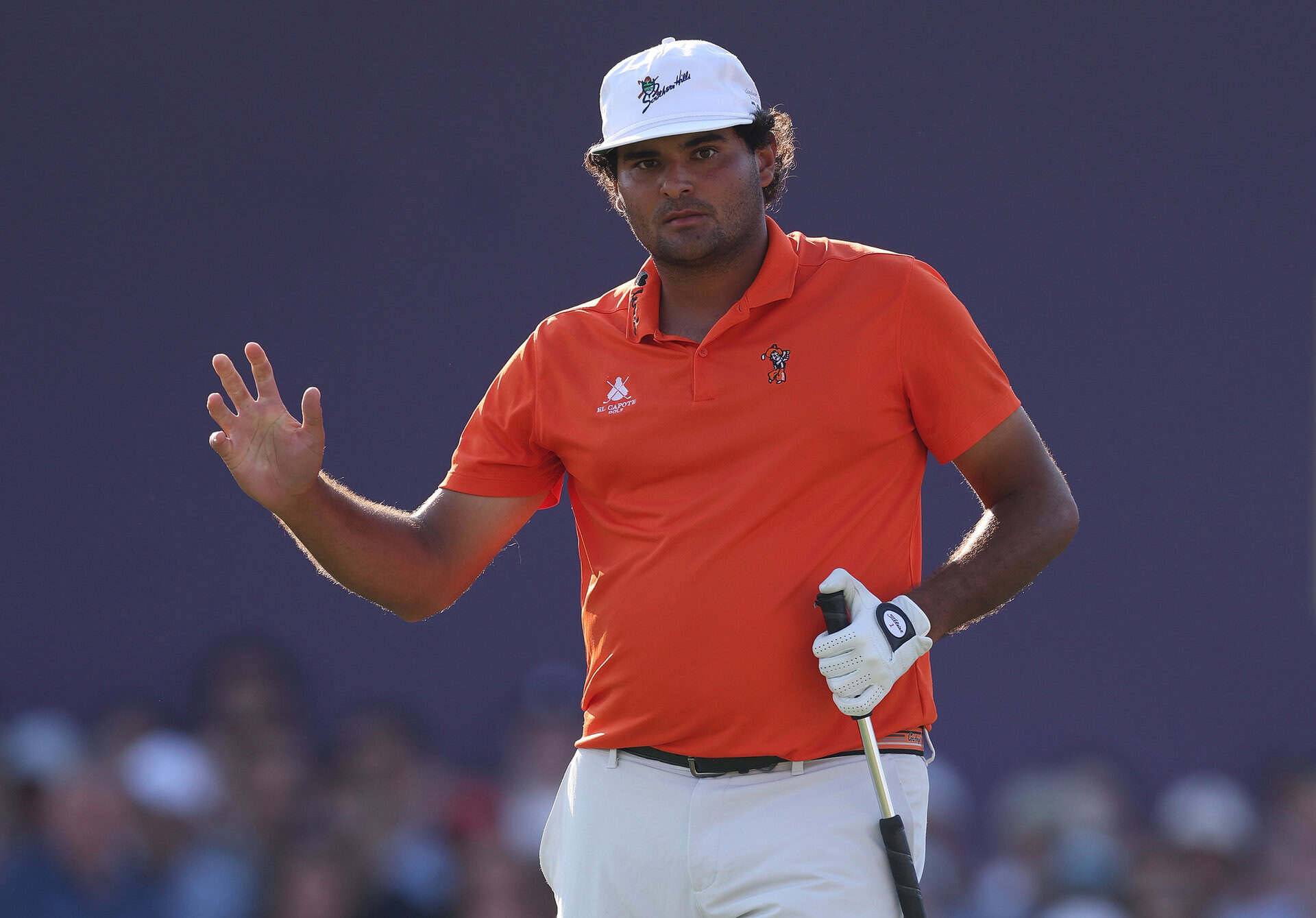
I’m not just talking about the obvious big hitters. The prowess off the tee from the likes of Rory McIlroy, Bryson DeChambeau, Jon Rahm and so on is well documented. These are outliers among outliers.
In 2004, the average driving distance on the PGA Tour was 286.5 yards. Only two players averaged more than 310 yards, while 14 were over 300.
This year, the average is 306 yards. Sixty players are averaging more than 310 yards, and 134 are over 300. That is a huge change in a relatively short period and our historic links courses, in particular, are facing the full force of that.

These Open courses are losing their original challenge
The point I’m making isn’t that players are hitting the ball farther. We all know that.
It’s the average distance a large proportion of the field now achieves. Players are coming out of the American college system comfortably able to bypass the 300-yard markers.
I recently saw a video of McIlroy hitting a drive 385 yards at Yas Links on the DP World Tour. There was a tailwind and the ground was firm, but the shot perfectly illustrated the problem courses face each week.
There is now very little point in designing a hole around hazards if a player can simply bypass them.
We should celebrate great driving, just like we applaud a chip-in or a long putt, but surely it has to involve playing the golf hole? If the ball is going so far that the hazards become irrelevant and the strategic elements become obsolete, what exactly are we celebrating?
Advertisement
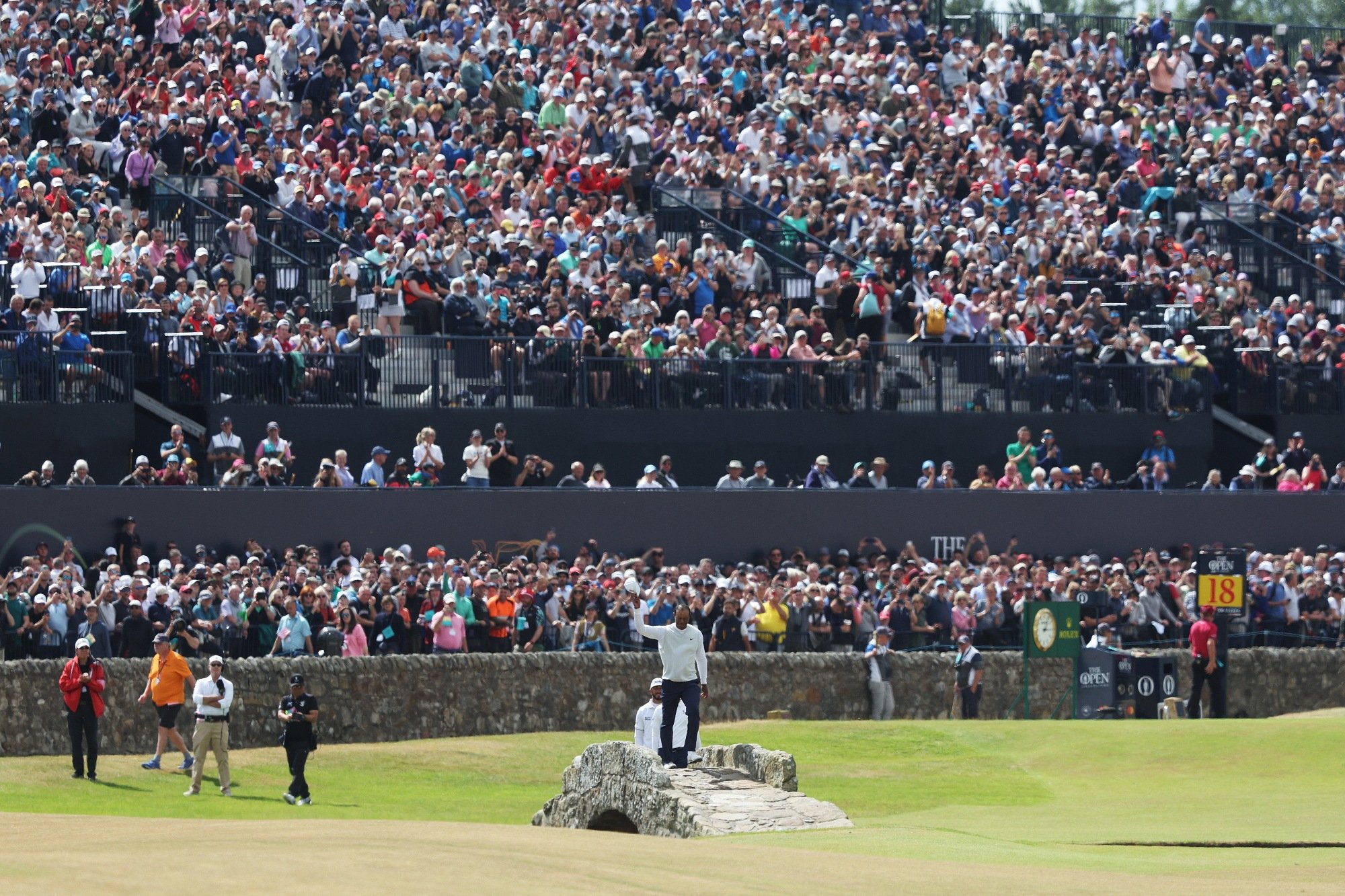
The recently announced host venue of the 2029 Open Championship, Carnoustie, is a great example of what I mean.
The 18th is one of the most famous closing holes in championship golf. This is mainly thanks to the Barry Burn. Infamously, it helped snatch victory from Jean van de Velde at the 1999 Open, when he made a triple-bogey while leading by three.
It’s something players have always had to contend with twice – an island fairway and an island green.
But when you’ve got players reaching it with such ease now, is it really ferocious anymore? There’s no need for these guys to negotiate the danger and hazards. They can leave a shorter yardage for their second shot, and it’s just not the same test.
Around 75% of the Barry Burn is now effectively out of play for the modern professional. It’s almost become a visual feature more than one that affects how the hole plays.
That’s problematic. These closing holes should make you stop and think about the history and challenge of a golf course. I almost have a tear in my eye when I see that they are no longer the test they once were.
We have to question whether the original challenge of these courses is now being lost and, if they are, that’s only a sad thing for the game.
Listen to our podcast
Now have your say
Are Open courses getting too easy? Do you think measures should be taken to prevent golfers hitting the ball as far as they do? Does watching them dismantle courses with the distance they can hit the ball make it a less entertaining sport to watch? Let us know in the comments or by getting in touch with us on X!