


We seem to shift from desert-like summers to flooded winters. Weather extremes mean sustainability has been constantly on the lips of those who prepare and present golf courses.
But what will the future bring? How important is it to explain to golfers what is happening on their courses? How can technology help greenkeepers keep up with a changing climate?
We’ve gathered together a panel of course managers to give us insight into course work, sustainability, and how they feel about the coming years.
Answering questions are Formby Ladies course manager Rob Sandilands, Dave Hutchinson, course manager at Heysham and Dan Evans, the course manager at Llandudno Maesdu.
How can clubs help golfers understand why course work is being done?
Dan Evans: Education is key. Even a one-to-one conversation on the course can make a difference as golfers often say they didn’t realise why something was being done. Club forums, talks in the clubhouse and course walks with the greenkeeper can all help. If you get people talking and asking questions, the message slowly builds.
Rob Sandilands: Sometimes, if the only person communicating something is the course manager, the point doesn’t always come across as well. It’s important to have other voices, whether that’s an agronomist, The R&A, STRI or another professional consultant. Reports, data and outside support all help members understand why work is needed and why it may take time.
Dave Hutchinson: It needs drumming into people because it is a hard topic for members to understand. Golfers see the playing surface, but they don’t always see what is going on underneath. They don’t see the soil, the rootzone, the biology or the reasons behind different practices. You have to keep explaining that good conditions now are often the result of work done years before.
How can data help when golfers judge the course by appearance alone?
Rob: We would look at things like smoothness, trueness and firmness, and that helped when people felt the course wasn’t improving. Cosmetically, something might still have a way to go, but the objective measurements could show the playing performance was moving in the right direction. That kind of information helps golfers understand that progress is not always just about how something looks.
Advertisement
Dan: It has to be kept simple so nothing gets lost in translation. We share things like cutting heights, rainfall and general water usage. If golfers see us hand watering, they might ask why the irrigation isn’t working, but it may have been on all night. Hand watering allows us to target the dry spots and high areas without wasting water across the whole green.
Dave: Golfers don’t see a lot of the detail, but they do notice the results. With the irrigation system, we were watering more areas while using less water, and members could see the difference during the dry spell. When something improves the golf course in a way they can feel and play on, that helps them understand why the investment matters.
What should golfers understand about biodiversity work on the course?
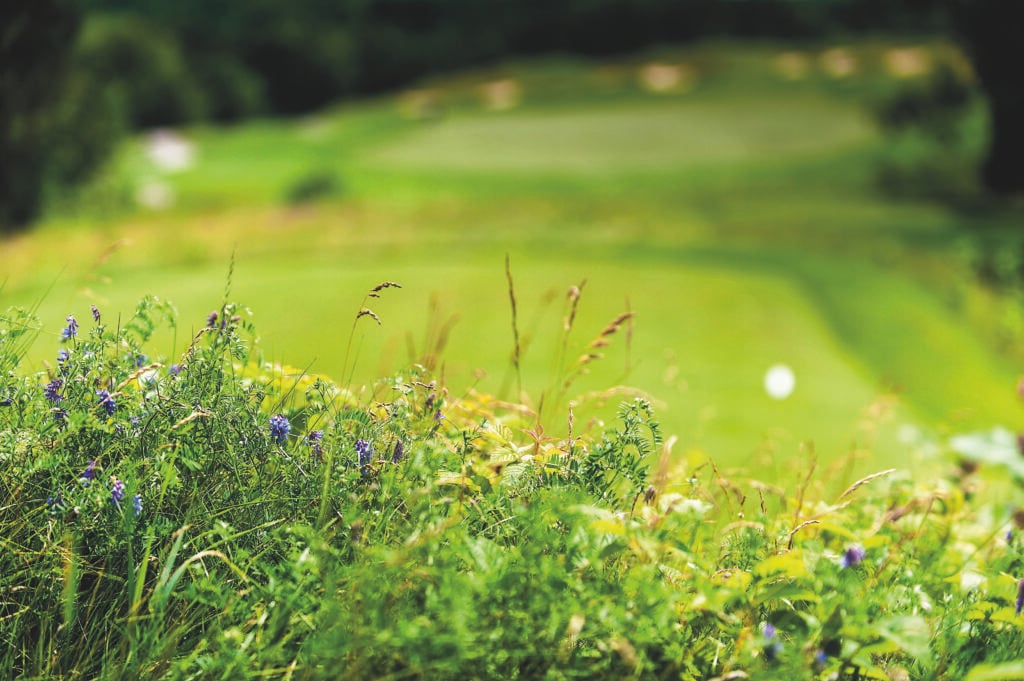
Dave: Wildflowers and insects are hugely important, but golfers don’t always see it. We had to lose trees under the power lines, but we replaced them with lower-growing fruit trees, which will bring insects back for pollination. Around the new lagoon we’ve planted wildflower seeds, so that should encourage more wildlife and make that area better as it develops.
Rob: If you play or work at the same course every day, you might not notice habitat gradually changing. Trees and scrub can slowly take over areas that should be dune grassland or heather. The longer that carries on, the harder it is to restore. Sometimes the environmental work is about stopping that slow decline and getting the site back to the condition it should be in.
Dan: Some golfers really enjoy the wildflower areas, and once people start asking questions it opens up the conversation. The difficulty is that some of those areas used to be cut wall to wall, so golfers may worry about finding balls. It comes back to education, course walks and sharing information so people understand why those areas are being managed differently.
How are new technologies helping clubs become more sustainable?
Dave: Robots will make a massive difference, especially in October, November and December. You’ll still have a golf course that looks like a golf course, but without big machinery going out and compacting wet ground. They should reduce our diesel use significantly and keep definition on the course when grass is still growing but conditions are too wet for heavier machines.
Dan: Irrigation technology is a big help because it gives us data on how much water is going onto each green. Machinery is improving as well. Greens irons are becoming more popular, they allow you to roll instead of cut while still getting good results. That means less stress on the plant, which is better for the surface.
Rob: Technology is part of the wider conversation. Every club has to look at what can be done for its own venue, whether that’s water, machinery, staffing or the way daily operations are structured. The important thing is to understand your own site and your own resources rather than thinking there is one answer that works everywhere.
Are you optimistic about the future of golf courses?
Rob: Well-run clubs will be fine, but some may struggle. Clubs are full of good people who give their time for free and want to do the right thing. Clubs that employ the right people, create good plans and let people see those plans through with the right support will get through it. Adapting is part of what course managers do.
Advertisement
Dave: The clubs that are prepared will move forward, and the clubs that aren’t prepared will either go backwards or fold. We will lose some golf clubs unless they start planning now. I’m retiring next April after 43 years here, and hopefully my son will take over. I want to leave the golf course in a position where he won’t struggle because it’s going to get tougher.
Dan: Clubs need to start making changes in how they manage sustainability, otherwise they will have problems. You have to show that you’re doing something, and you have to be brave enough to make those changes. Communication with members and the board is vital because everyone needs to be on the same page.
- This article appears in Your Course, a publication from the British and International Golf Greenkeepers Association. Your Course invites golfers to gain a deeper appreciation of what preparing and maintaining a golf course really involves. Head to www.bigga.org.uk to find out more.
Now have your say
What do you think? Does there need to be a balance between sustainability and the game? Let us know in the comments, or get in touch on X.
NOW READ: Why can’t we have fast greens and firm surfaces all the time?
NOW READ: What is a Stimpmeter and how does it work?
Advertisement