


Golf is being asked to think harder about the land it occupies, the resources it uses and the role its courses play in the wider environment.
That challenge is only growing as water pressure, tighter regulation, golfer expectations and less predictable weather all shape how courses are managed.
Sustainability in golf is often discussed in broad terms, but on the ground it comes down to daily practical choices. How much water does a green need? Which grasses are best suited to the site? How can a course remain playable, enjoyable and resilient when the conditions are becoming more demanding? How should green speeds be monitored?
We’ve brought together three top greenkeepers to find out how sustainability is influencing the way they manage their courses – and that can come right down to how they play.
Tackling those questions are Rob Sandilands, Course Manager at Formby Ladies; Dave Hutchinson, Heysham Course Manager; and Daniel Evans, Head Greenkeeper at Llandudno Measdu.
How does sustainability influence the way you manage your course?
Dan: It’s about future-proofing the golf course. Llandudno is a big tourism area and there aren’t many green spaces left, so we have a responsibility to manage ours properly. That means using water carefully, encouraging sustainable grasses, reducing stress on the greens and using cultural methods wherever we can rather than relying too heavily on chemicals.
Dave: For me, it’s about using less fungicide, less herbicide and less fertiliser but still giving golfers good playing surfaces. That’s the challenge. You can’t just stop doing things overnight. It takes years of planning, changing practices and getting the course into a position where the grass is healthier and can cope with fewer inputs.
Rob: Sustainability covers such a broad scope. From a greenkeeping point of view, you’re trying to be responsible stewards of the environment in the practices you employ, but there’s a strong planning and financial aspect of sustainability too. It all comes back to structure, governance and having the right people in the right place. If you don’t have that, it becomes very difficult to deliver on the vision of being sustainable.
Advertisement
Why can’t greenkeepers simply chase faster greens and firmer surfaces all the time?
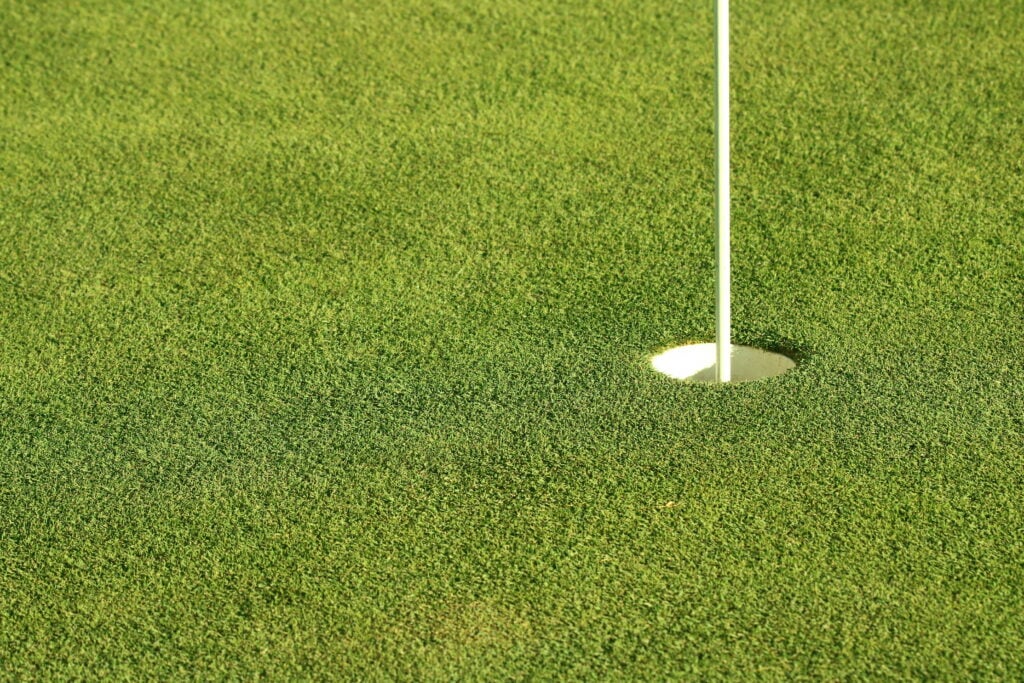
Dave: All golfers want fast greens but if you want that by cutting really low and feeding often, I’m against that. We don’t go much below 4mm now, and we still get good speed. Some clubs are cutting much lower, but I don’t think that’s good for the grass in the future. You might get what you want straight away, but you can create problems further down the line.
Rob: There has to be a balance between what people want now and what is right for the course in years to come. If you’re changing species or improving surfaces, you can’t do everything at once without damaging the golfing experience. People are paying to play a golf course, so you have to improve it in a way that still allows them to enjoy it.
Dan: Green speed is a big expectation but cutting every day at very low heights puts the plant under too much stress, especially in hot or dry weather. That stress can lead to disease, dry patch and weaker surfaces. Sometimes we’ll raise heights, miss a cut or roll instead, because that gives golfers good surfaces without pushing the greens too far.
How do decisions around grass species impact playing conditions?
Rob: The more we can encourage the right grasses and create the right conditions, the more manageable the course becomes with the team and resources we have. It gives the golf course more integrity but it also gives us a better chance of producing surfaces consistently without relying on ever more intensive inputs.
Dan: We’re trying to overseed with bent and fescue because they are more tolerant of disease and drought, especially fescue. They’re fine grasses, so you don’t need to cut as low to get good putting surfaces. If you’ve got healthy, fine grass that can be cut a little higher, the golfer benefits and the greenkeeping team does too.
Dave: When the greens are healthier, you start the season in a much better place. We’ve reduced fungicides over the last few years and the grass is stronger because we’re looking after the soil. That means we’re getting better greens earlier in the year, and the good playing season lasts much longer than it used to. That’s where golfers really benefit, even if they don’t always see the work behind it.
- This article appeared in Your Course, produced by the British and International Golf Greenkeepers Association. Your Course invites golfers to gain a deeper appreciation of what preparing and maintaining a golf course really involves. Head to www.bigga.org.uk to find out more.
Now have your say
Green speeds and sustainability: What do you think? Are you already seeing changes at your golf club? Is it trying to become more sustainable? Do you agree with what the experts are saying about green speeds? Let us know in the comments, or get in touch on X.
NOW READ: What’s the one thing golfers can do with bunkers to make life easier for greenkeepers?
NOW READ: Who needs bunkers? These courses don’t!
Advertisement