


Frost, increased disease pressures, fewer daylight hours, staff on leave – the cold winter months bring all manner of challenges for your greenkeeping teams.
But even when the weather is at its worst, and we’ve got the winter golf gloves on, there is still plenty we can do at our golf club to make life just a little bit easier for those who maintain our courses.
We asked Noel MacKenzie, director at Sports Turf Consulting, to give us some tips on helping our greenkeepers when we’re playing golf during the coldest months.
In a question and answer interview with Your Course magazine, published by the British and International Golf Greenkeepers Association, he also discusses the challenges of maintaining a course once summer has passed and the winter weather starts to dominate…
Five things you can do to make life easier for your greenkeepers in winter
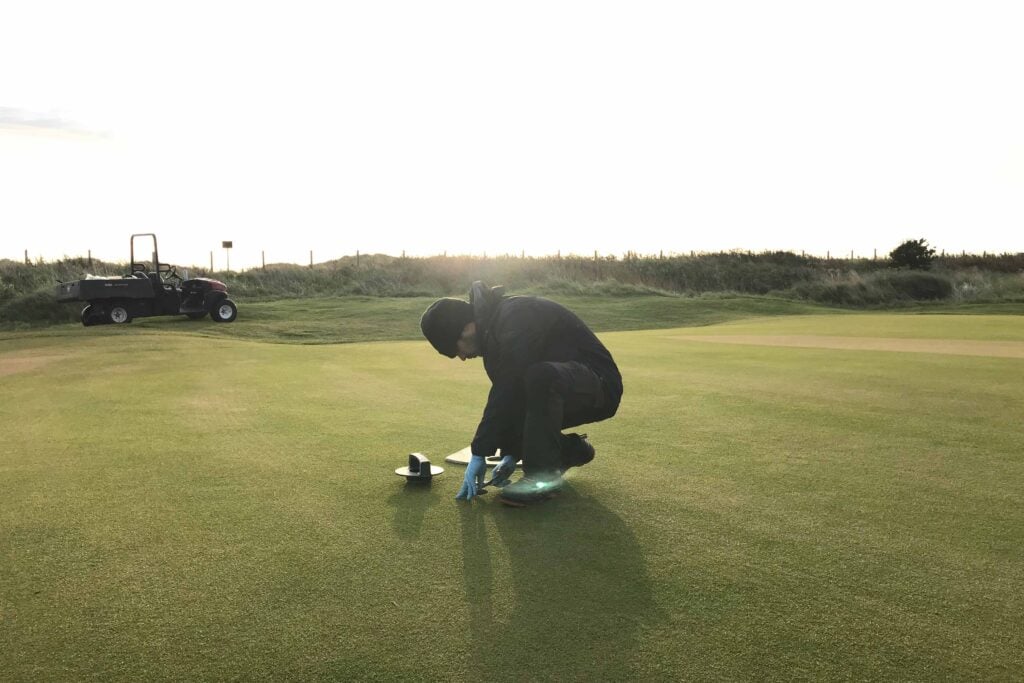
Moderate your expectations
The golf course may look and play a little differently, and that’s OK.
If conditions are rough, head in
Don’t play 18 holes and then come in and complain the course should be closed.
Be aware of the long-term weather patterns
It might be sunny when you tee off at 10am on a Sunday, but if there has been record rainfall in the days prior that will have an impact.
Trust and respect your greenkeepers
Greenkeepers know what they’re doing and they’re passionate about doing it to the best of their ability – show some respect to their profession and to them as individuals.
Treat the course with respect
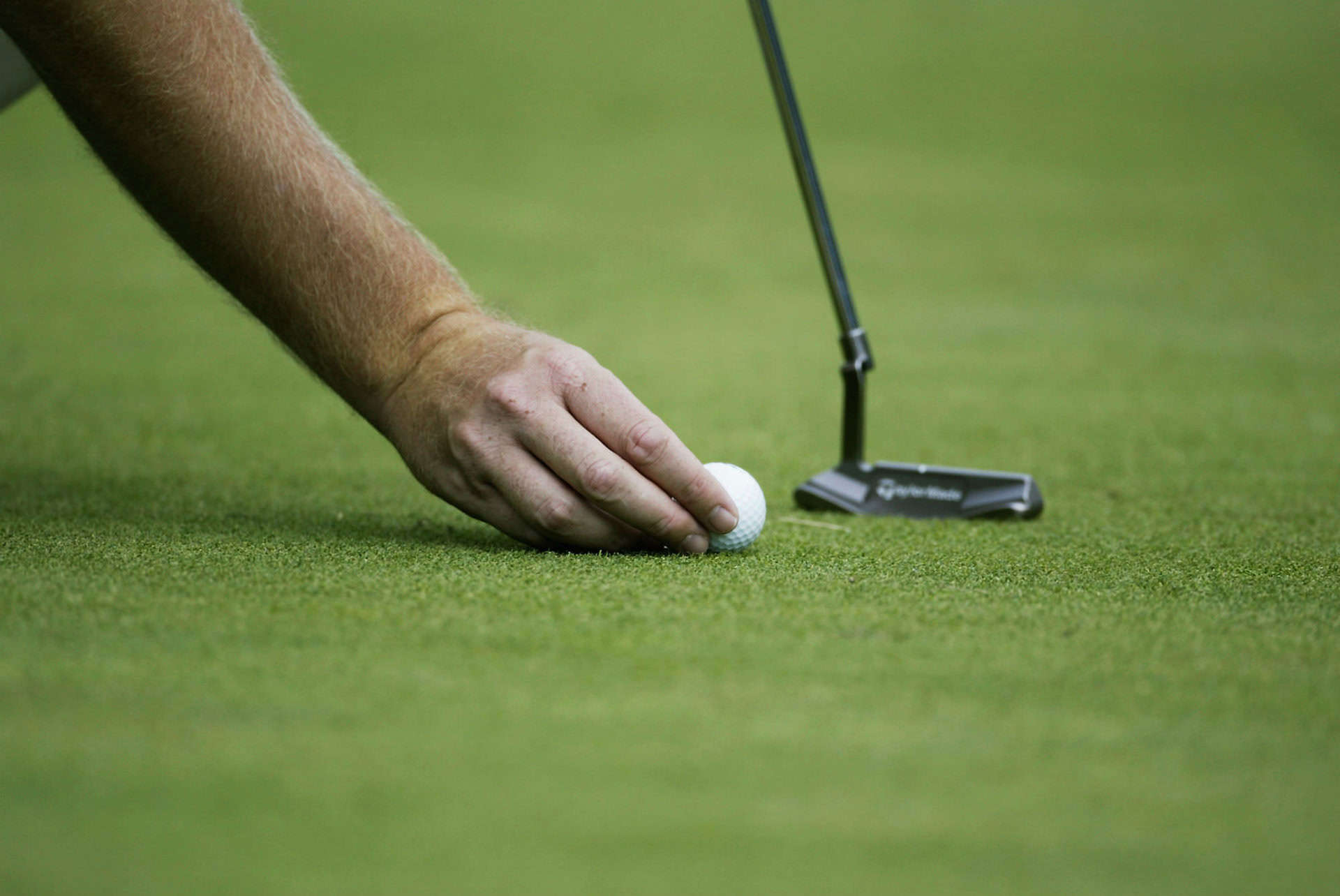
Stick to pathways where possible, avoid roped-off areas, use mats if they’re available and make an effort to leave the course in the same condition you found it.
‘The grass doesn’t stop growing until Christmas’: What courses have to cope with during winter golf
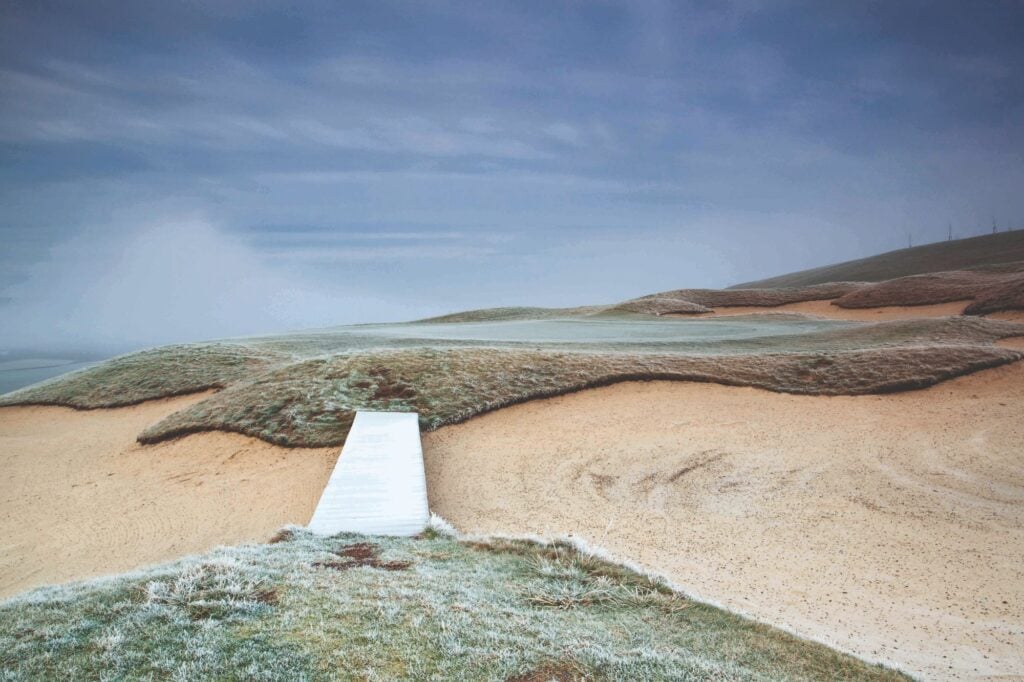
What threats does a golf course have to contend with leading into winter?
Disease pressure is a year-round issue but it becomes more acute as grass growth slows. Conditions around autumn favour diseases to come in and really hit the turf hard.
Whenever it’s mild, humid and moist, but not super wet, that’s when the threat of fusarium patch is at its greatest, and problems can arise from thatch fungus, leaf spot and anthracnose disease.
Advertisement
Many clubs will be trying to squeeze competitions in while conditions are still good, so greenkeepers are looking to maintain some level of performance even while the weather and other factors are working against them.
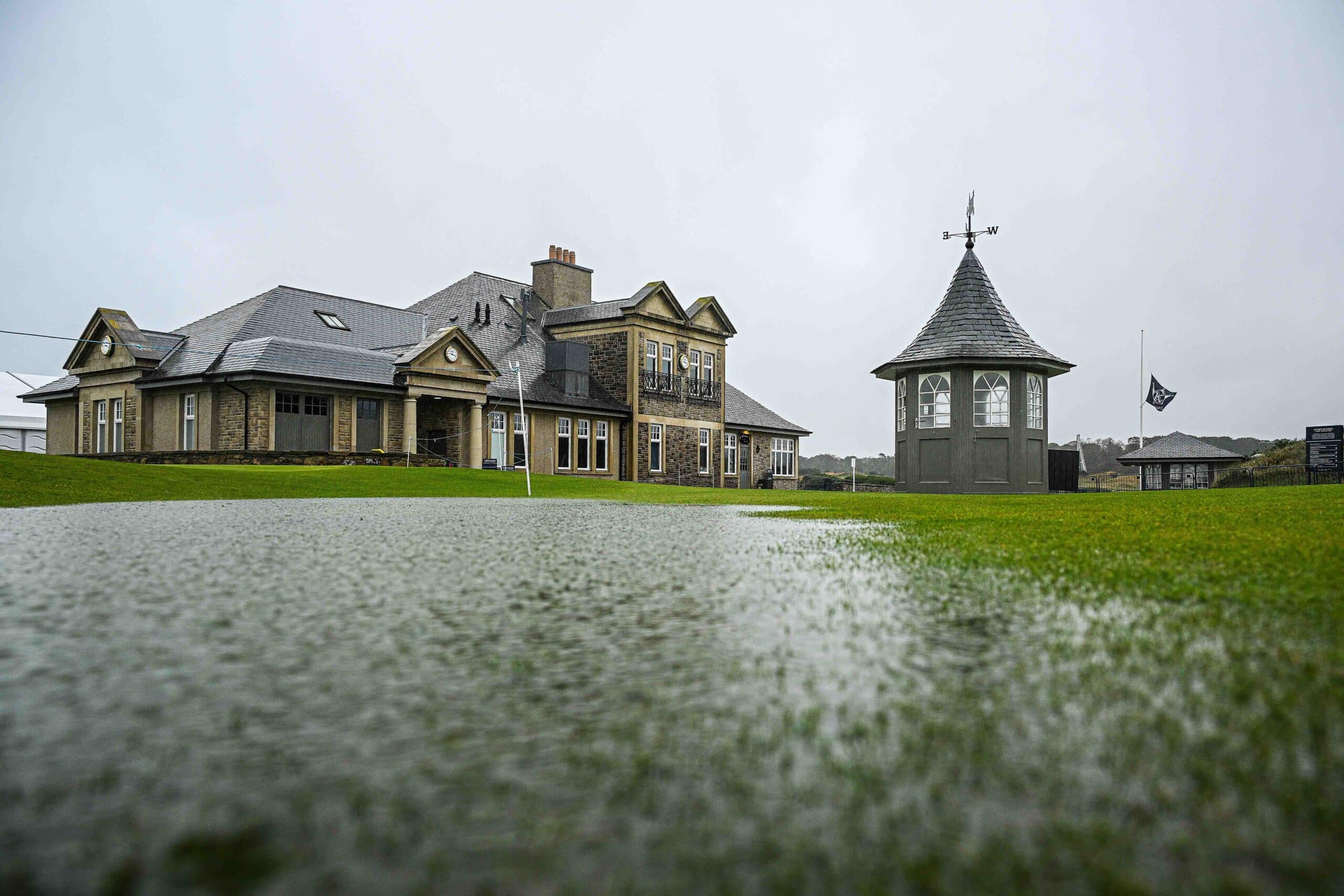
Machinery can get less reliable in the wet and cold, there’s usually early morning dew that needs clearing before anything else can be done, there are fewer daylight hours and in some cases, clubs may have less manpower because staff start taking more hard-earned leave and the help they had in the summer has gone.
Is climate change and variability of the seasons making it tougher?
Without a doubt. When I was starting out in the early 80s, you would have frosts in October and November – now you have temperatures often in the 20s at that time and the grass doesn’t stop growing until Christmas.
As an agronomist, I work with my clients to plan out the year; we know roughly what we’re going to do and when and how we’re going to do it, but nothing is set in stone.
This year, plans around disease management have had to come forward by about six to eight weeks. In previous years we’ve had to extend the summer management backwards by the same amount.
Should golfers adjust their expectations of winter course performance?
Absolutely. I do performance testing on golf greens, but once it gets to late September I stop because it won’t give you great numbers and there are limitations on the impact of operations, plus the grass needs to have some recovery ready for winter.
Expectations are impacted by the golf on TV and the fact people are seeing courses in other parts of the world that are in immaculate condition, but they’ve got great temperatures, plenty of daylight and in many cases huge budgets and greenkeeping teams.
That is a long way from a parkland course in the UK that is exposed to the elements, where the team has to deal with constant rain and loads of other challenges such as leaf and twig clearance.
It’s worth having a realistic target in mind for greens performance, but it mustn’t be followed too slavishly.
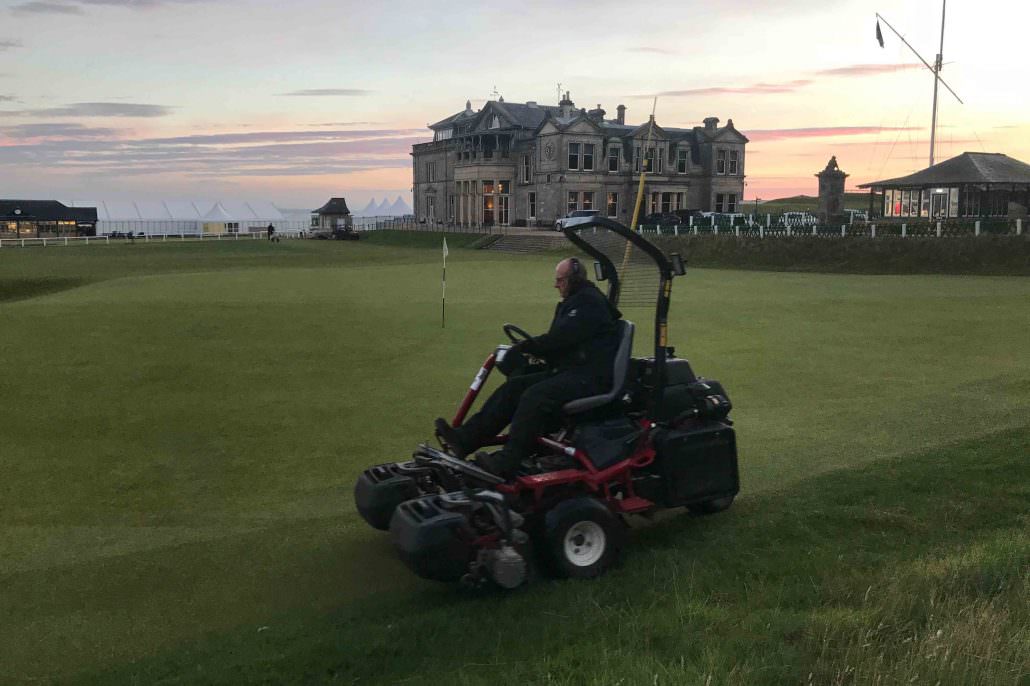
What would the impact be if a greenkeeping team did chase the highest possible standards regardless of the natural conditions?
In the winter, the plant has to use the resources it has stored in its root system to see it through some of that period. If it hasn’t been allowed any recovery and you’re constantly cutting it back, that nutrient and energy reserve becomes depleted – if it depletes too much, the Grim Reaper comes for the turf.
There have been instances where greens have been mowed at 3.5mm or lower and everything’s ticking along just about OK, but then the weather flips a few degrees, the disease comes in and absolutely poleaxes the course so the turf never achieves a sound winter condition.
It’s really important to create a degree of resilience and allow for a little bit of breathing space in the height of cut and the mechanical regimes employed to produce a golf course, or else you can end up with huge problems.
Can you leave us with a note of optimism about winter golf?
Golfers these days are actually spoilt! At one time you wouldn’t have been out there playing in the winter months, whereas now you’ve got year-round golf on greens that are in much better condition.
On the greenkeeping side, I’d say winter isn’t something you need to fear and don’t forget to ask experts who can help you and bounce ideas around to optimise your maintenance programmes and deliver the results.
We have vastly improved disease strategies and products to better protect the health of the turf. Advances in fertiliser products, machinery and disease and weather forecasting apps are all strengthening the level of control we have to overcome the challenges of winter.
Advertisement
Growing conditions also prevail longer, which helps to extend the ability to produce growing turf and performance putting surfaces.
- This article appears in Your Course, the twice-yearly publication from the British and International Golf Greenkeepers Association. Your Course invites golfers to gain a deeper appreciation of what preparing and maintaining a golf course really involves. Head to www.bigga.org.uk to find out more.
Now have your say on winter golf
What do think of these cold weather winter golf tips? Let us know what you think of these wet weather suggestions by leaving us a comment on X.
- NOW READ: ‘It doesn’t have to be bright green and stripy’: Why Ken Brown says golf courses have to change
- NOW READ: Ken Brown: Golf courses are completely different now compared to when I was a greenkeeper in the 1970s
Advertisement