


This is your chance to ask the experts to get the greenkeeping information that you really want. Whether you want to learn more about hollow-tining, or whether there is something going on at your course that you just don’t understand, we’ve lined up the experts to put you in the know in our Greenkeeper’s Question Time.
Answering your questions is Scott Reeves, veteran course manager and BIGGA head of membership. This week he’s being asked about fairway mats and course maintenance…
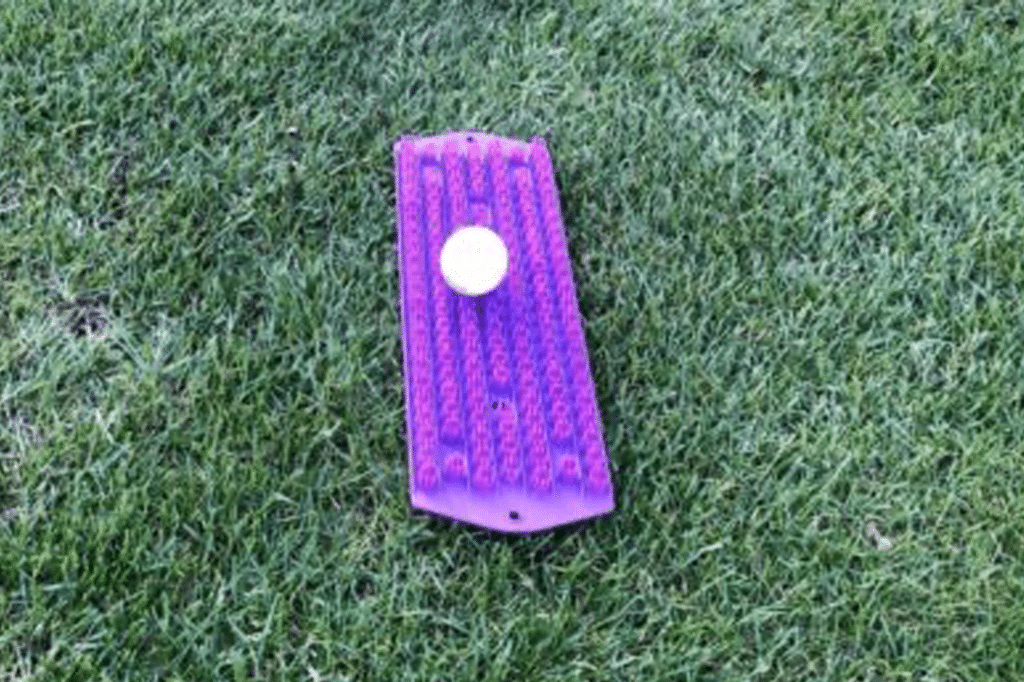
“Does using fairway mats in winter really make much difference come spring and summer?”
Absolutely. If we’re talking about using personal mats through the green, I think they make a huge difference. In fact, most golf clubs I worked for preferred them in the end because, on a heavy clay soil, you can’t cut the rough because it’s too wet.
If you’re able to use a mat it means you’re guaranteed a pretty decent lie wherever your ball lands and they do improve the appearance of the course coming out into spring.
It all comes down to the membership of the individual club. If they’re willing in early spring to put up with lots of divots that aren’t recovering (because of the lack of grass growth and low winter temperatures) and you’ve got good budgets and can spend a lot of time divoting and seeding then that’s fine. Don’t use mats.
But if you’ve got restricted budgets, then it’s important and it shows golfers are playing their part in protecting their own course.
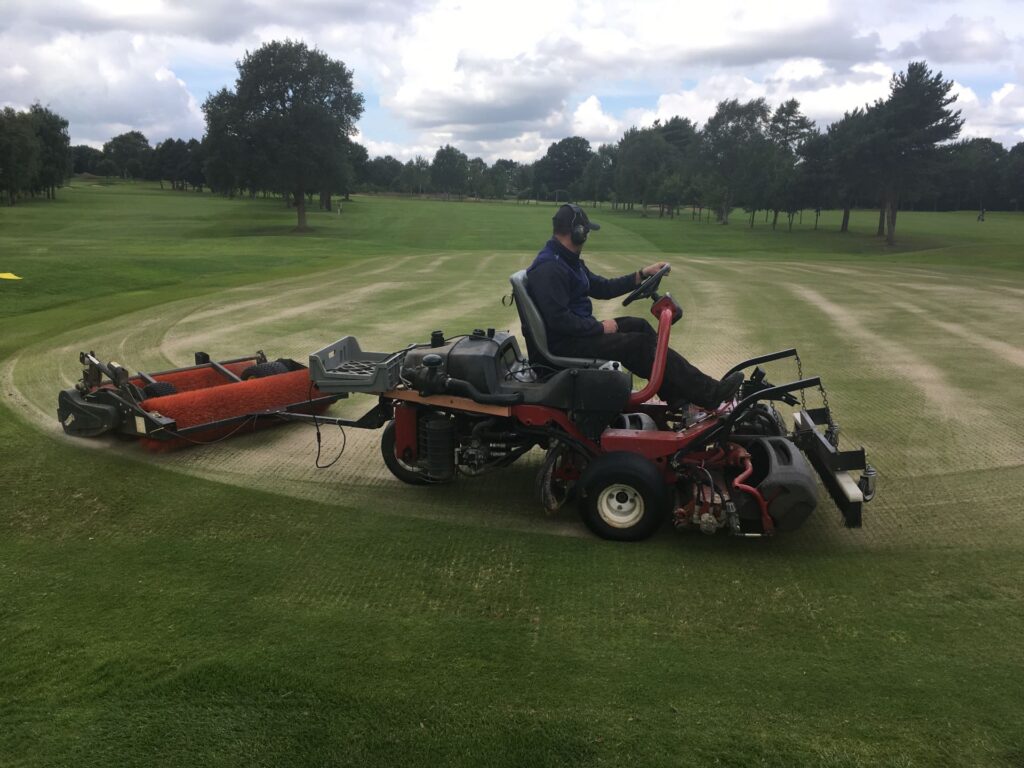
“Many clubs carry out course maintenance shortly before the competition season gets under way. Could this be done at another time? Why is it important?”
The course has come out of winter and you’ve probably kept it open more often than you would have liked and you’ve allowed play on the greens more often than you would have liked.
The course is under pressure all the time and it takes its toll. Greenkeepers have to do something to alleviate the results of that stress and they have to carry out maintenance like aeration and top dressing. It’s absolutely no question.
Advertisement
The ideal time to do that is when the grass is really starting to get going, when the air temperatures are warming up, because that’s when you’re going to get growth which allows recovery to come faster.
If you do it in January or February, when there is no warmth and no growth, the results of that aeration are going to be hanging around a lot longer. As you get into March and April, the temperatures are starting to pick up. If the work you have done has affected the surface, that will repair much faster.
This article appears in Your Course, the twice-yearly publication from the British and International Golf Greenkeepers Association. Your Course invites golfers to gain a deeper appreciation of what preparing and maintaining a golf course really involves. Head to www.bigga.org.uk to find out more.
Have a question for a greenkeeper?
What do you think? Can fairway mats make a big difference? Should greens maintenance be carried out at a different time? It’s your course – want to send a question in about it? Email info@bigga.org.uk and we’ll put it to one of our experts.