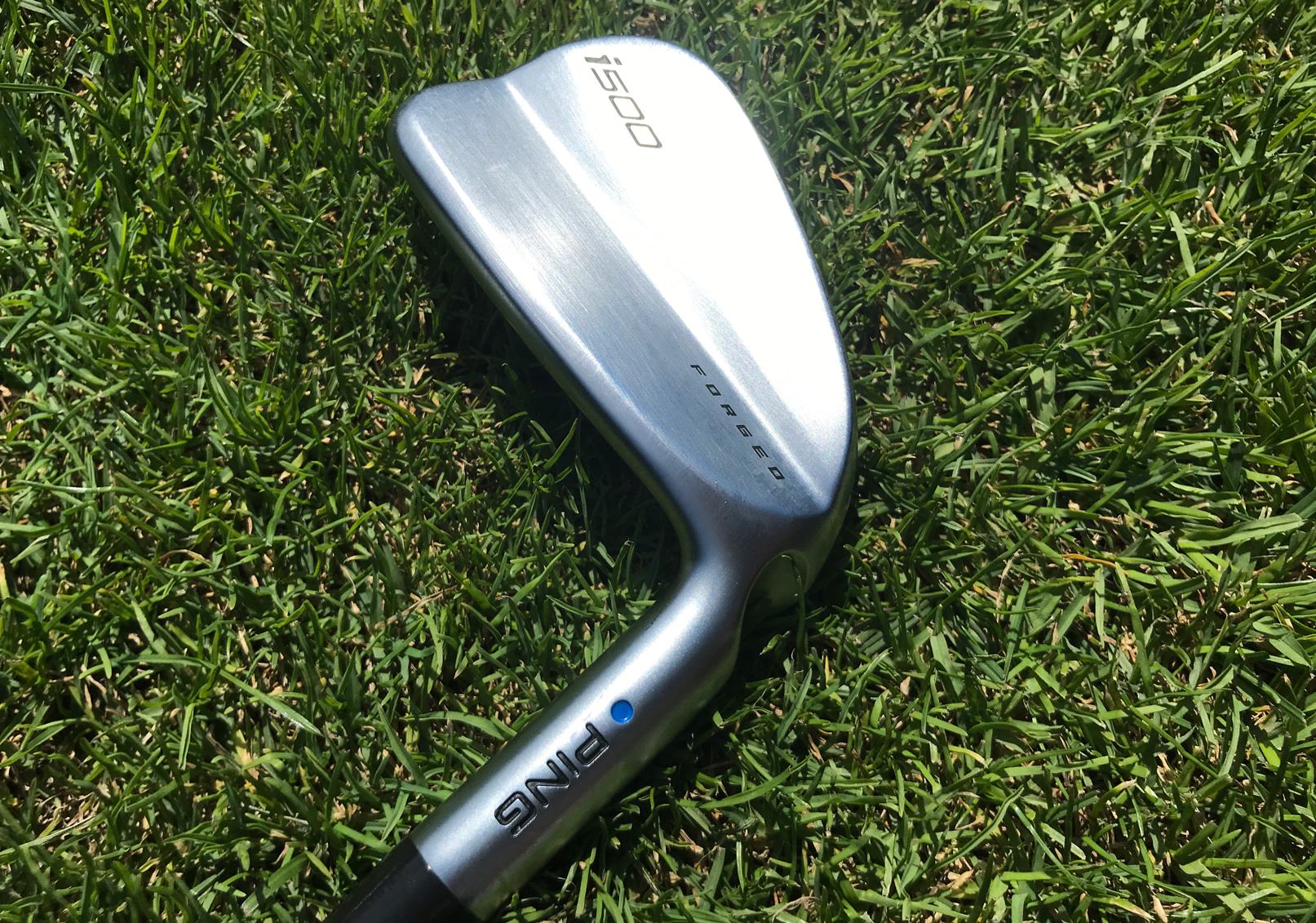



Ping i500 irons long-term test: The background
I have been using the Ping i500 irons for six months now. Admittedly with this period spanning the winter, I still haven’t played a huge number of competitive rounds with them but I feel like I have hit enough balls to see how they have impacted my game. And they have undoubtedly made an impact.
Why i500s?
I had been playing with a set of i200s for two years before making the switch. When I went to Ping’s European HQ at Gainsborough, Lincolnshire, for a custom-fitting, I was effectively choosing between i210s and i500s.
And the i210s were strong favourites. After all, it was a logical progression and an easy switch. I’d got on really well with my i200s and had no issue with them.
However, I knew that the i500s had some performance benefits that interested me so I went with an open mind.
Ping i500 irons long-term test: How they have performed for me
I have many pressing issues with my golf game. One is that I present more loft at impact than is ideal. That means I tend to hit the ball a little high and with a touch too much spin.
In calm conditions, that isn’t a problem but as soon as a breeze gets up then it is that much harder for me to control my flight.
Given that I play virtually all my golf in the wind, this is not ideal. To say the least.
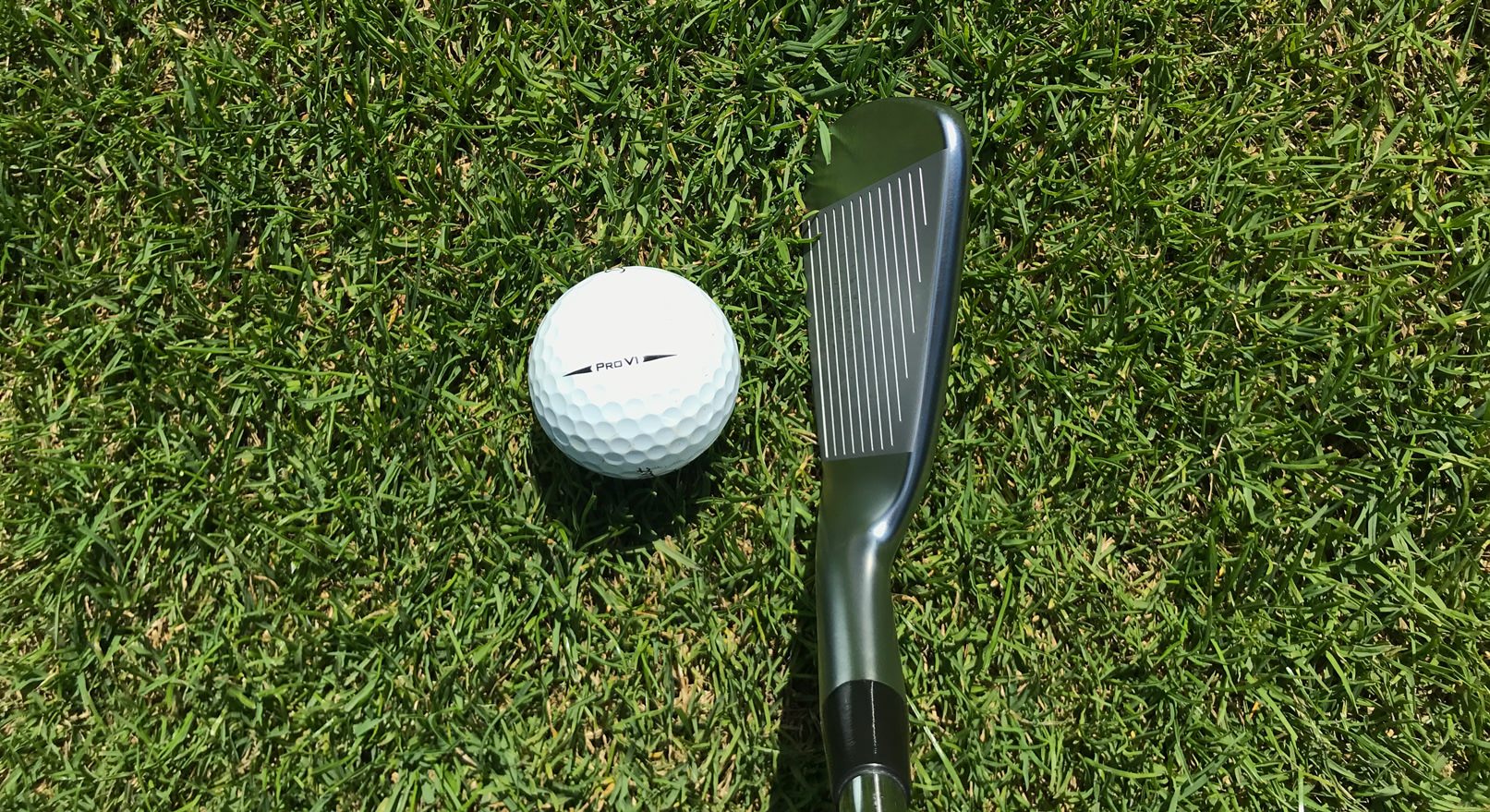
Testing confirmed that the i500s lowered my spin rates a touch and flattened off the launch angle quite considerably.
When I went into power lofts (strengthening the lofts throughout the set), I was finally able to achieve something like the desired launch angle for each iron, and with the kind of spin rates that would stop my iron shots ballooning into the wind.