



Royal Troon is far from the most iconic of Open venues. It does not have the charm of the Old Course (where else does?), the visual majesty of Turnberry or the sheer class of Muirfield.
Yet over the course of the 152nd Open Championship, the Ayrshire links played a starring role. Here are 10 of the key talking points…
Why Royal Troon was such a fabulous Open host
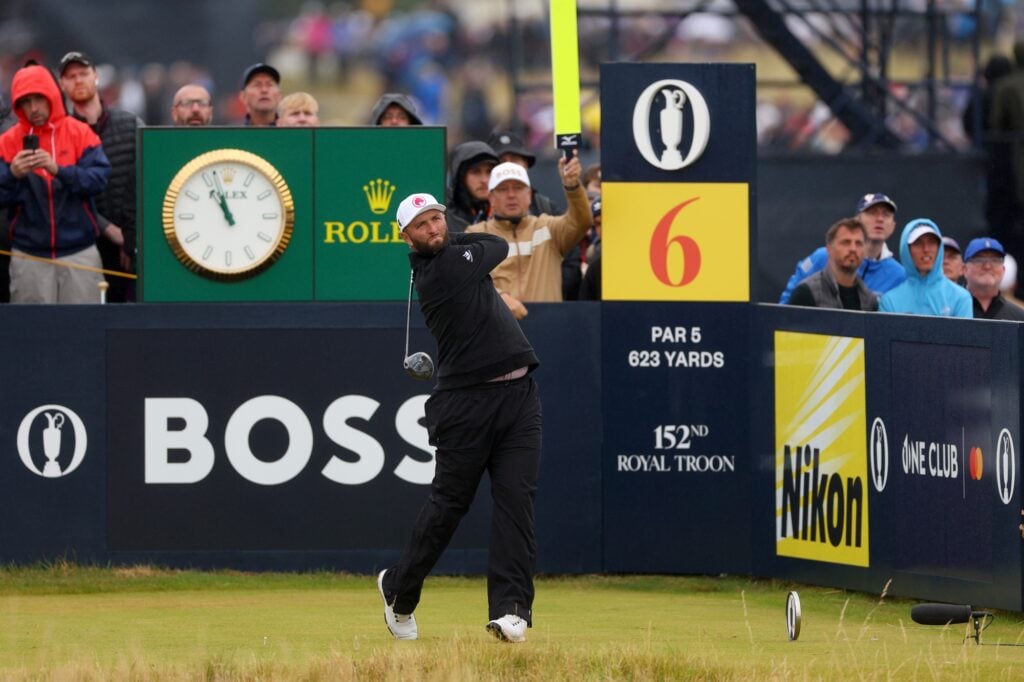
The new back tees were a huge challenge
Headlined by the longest par 5 on the Open rota in the shape of the 623-yard 6th, Royal Troon was seriously beefed up for this year’s Open.
In fact, it was one of the longest venues in history at 7,385 yards, playing to a par of 71. On the monstrous back nine, there was not a par 4 under 450 yards – nor a par 3 under 200 yards. Mackenzie-Ebert’s recent architectural work all added up to a highly significant challenge for the best players in the world.
The greens were the smoothest and most consistent of surfaces
A huge shout-out to the presentation of the links here, led by long-serving course manager Billy McLachlan and ably supported by his own team and the wider BIGGA volunteers. Did a ball misbehave on the greens all week?
Even when the rain poured down on Saturday, they didn’t seem to lose a touch of firmness. That’s why the players holed so many putts and made so many birdies even on a course of such difficulty. You can’t make putts on inconsistent greens.
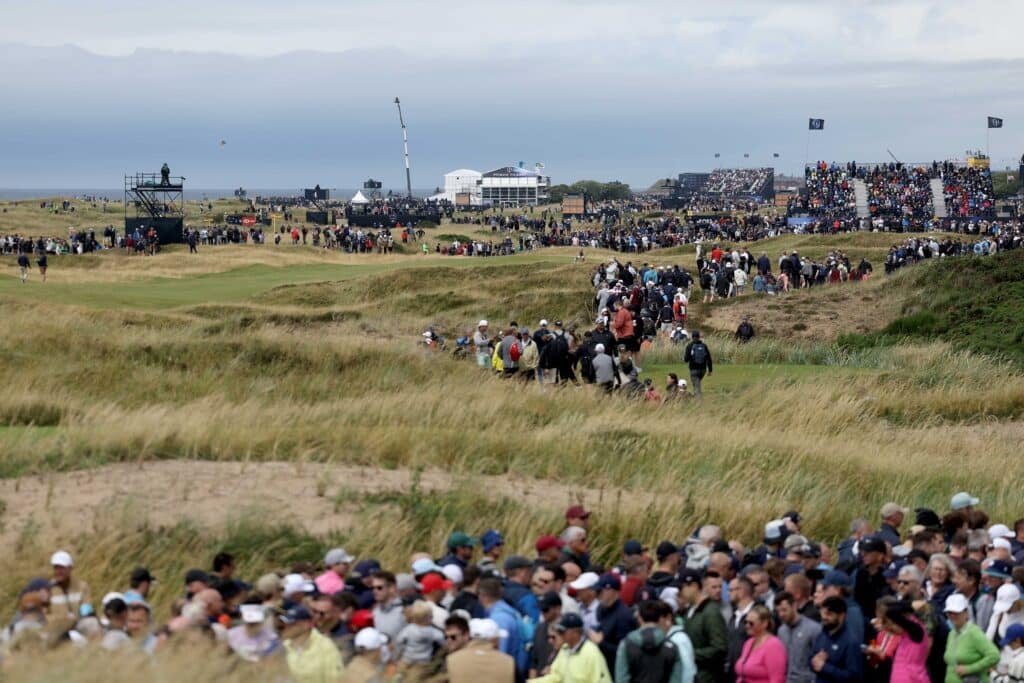
Troon’s crosswinds were the ultimate test
We barely saw the prevailing wind here, which is typically helping and off the right on the way out of this out-and-back links. Instead, we saw an exact reverse at stages of the first two rounds. The most common direction over the four days was off the right on the way out and then off the left on the way in. Never mind playing into the wind – crosswinds are the hardest of all to manage as a player. What a test it was. And what a spectacle.
Advertisement
The long and the short of Troon’s par 3s
The Postage Stamp played at exactly 100 yards on Sunday – a mere flick. The 17th, from its new back tee, was 242 yards. On Saturday, the final groups were hitting driver into it. The contrast could hardly be sharper.
The tees barely moved – and that was a surprise
The R&A – in charge of course set-up – are normally quick to move tees up in inclement conditions. Not here. Perhaps that was because the conditions were ever-changing and also a reflection of the crosswinds (see above). But the 17th did seem excessive by the time the final groups were coming through.
Similarly, on the 16th, strategy revolves around the burn that crosses the fairway on or around driving distance. Could the tee have been moved to reflect the conditions? On a number of holes, players were barely reaching the fairways at various times. It was surprising the tees were not moved up to accommodate the elements.
The course definitely played harder than it ever has before
In 2016, Henrik Stenson’s winning score was 264 (-20). Xander Schauffele won with 275 on this occasion. In 2016, 21 players finished at par or better. Here, it was 12. Of course, the conditions play a huge part on any links course but there can be little doubt that the newly lengthened Troon is now one of the sterner tests on the rota. And especially that back nine.
Could Troon’s par 5s on the way out be differentiated more?
Both the 4th and 6th are very long, they play in the same direction and they are left-to-right doglegs – mainly thanks to the gradual addition of more and more new back tees that may be seen as representing the evolution of man. They both played well all week – but could they ask some different questions of the players?
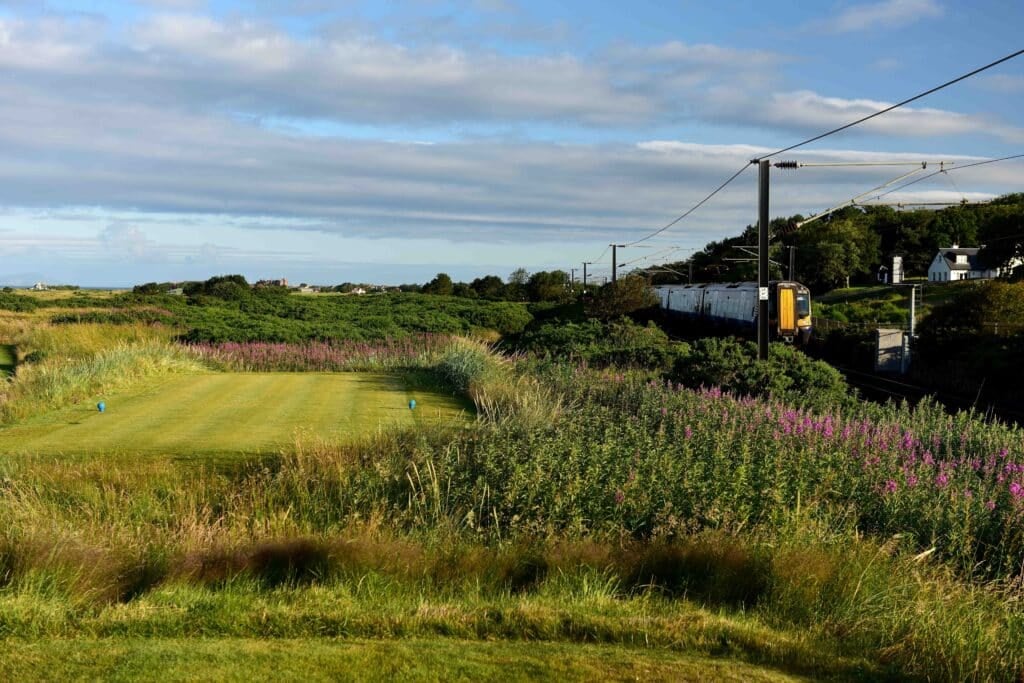
The 11th is a beast – the hardest par 4 on the Open rota
Named Railway – and nobody should need to ask why – this is arguably the toughest par 4 on the Open rota, even harder than the Road Hole on the Old Course. Part of the drama is that no fairway can be seen from the championship tee. This is largely to do with the gorse bushes that sprout freely. But should these weeds be trimmed back to a degree since we cannot know that the architect’s intent was for the tee shot to be completely blind?
Rough management ensured just penalties
After the wettest winter and spring in living memory, Troon looked thoroughly verdant and that includes some juicy rough. However, mainly due to the enormous galleries trampling it down, the players generally had a chance of at least a partial recovery. And those who were 20 yards deep into the long stuff can surely have no justifiable cause for complaint.
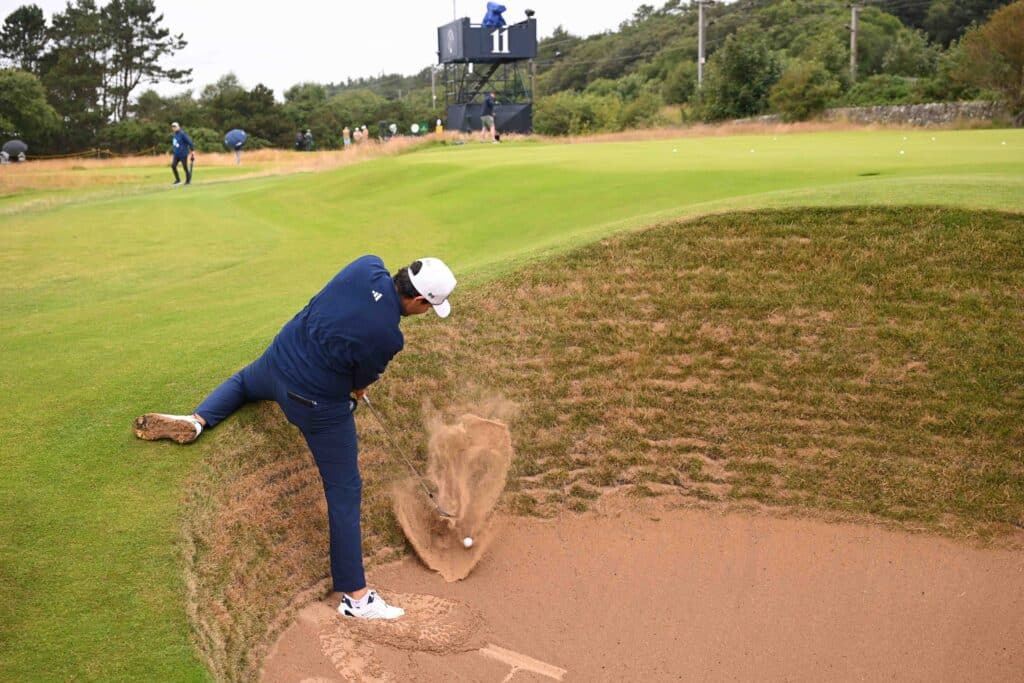
The bunkering was harsh but fair
For the purists among us, links bunkers owe the players precisely nothing. Just as nobody expects a pond on a parkland course to give you the chance of a recovery shot. However, while the Troon bunkers are rightly penal, escape was almost always possible. Even at the Postage Stamp. That’s a tribute, again, to the impeccable preparation and presentation of the links.
Now listen to Dan on The NCG Golf Podcast
Dan Murphy joined Steve Carroll to review Royal Troon and The Open on this week’s episode of The NCG Golf Podcast. Give it a listen here and have your say on this Royal Troon Open by talking to us on X.
Advertisement