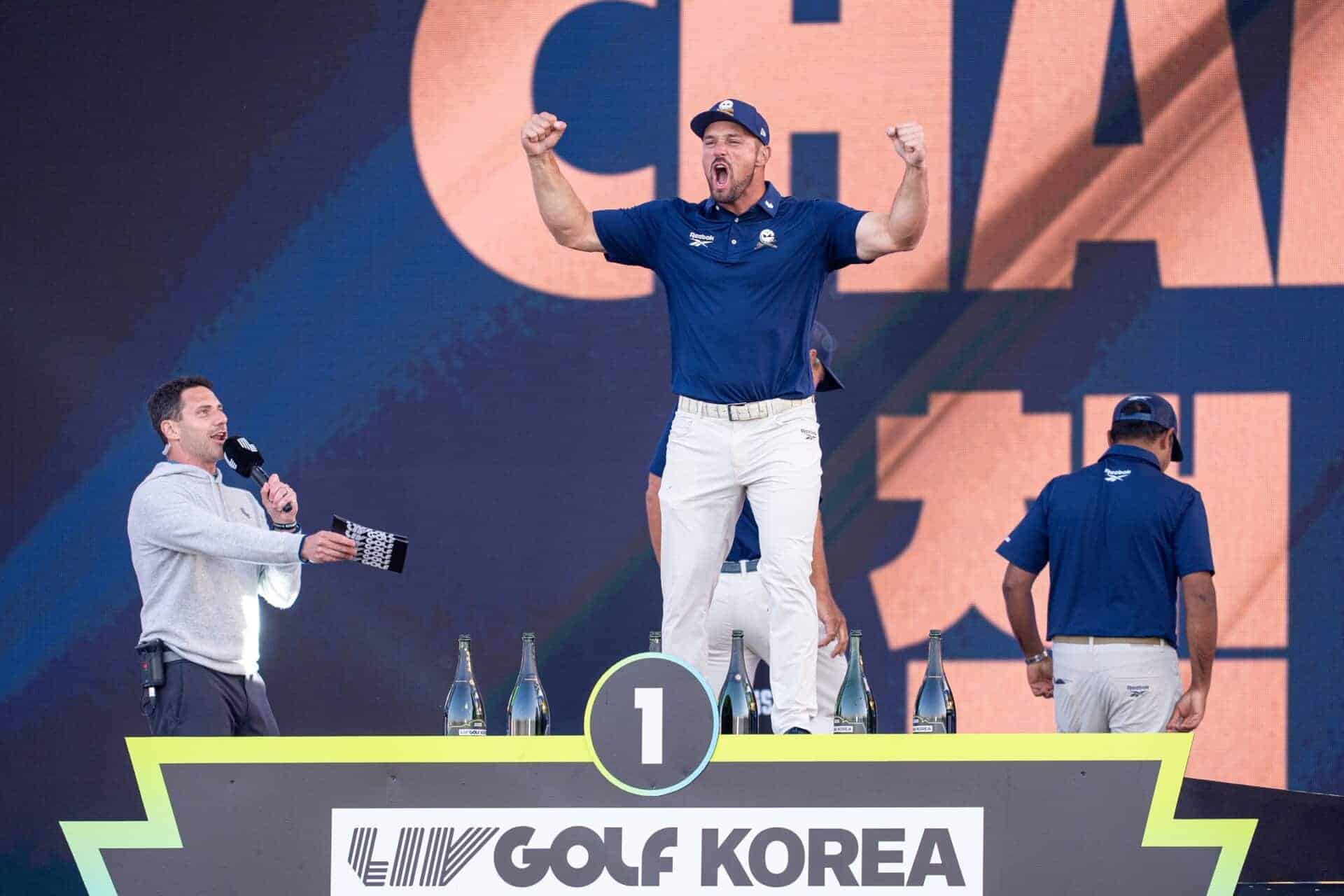



Rory McIlroy and Bryson DeChambeau are experiencing a very different 2026 Masters. They are also in different phases of their careers and, more tellingly, different phases of their lives.
On paper, the contrast is stark. McIlroy, as assured in word and in deed as I have ever seen him, leads the Masters by six.
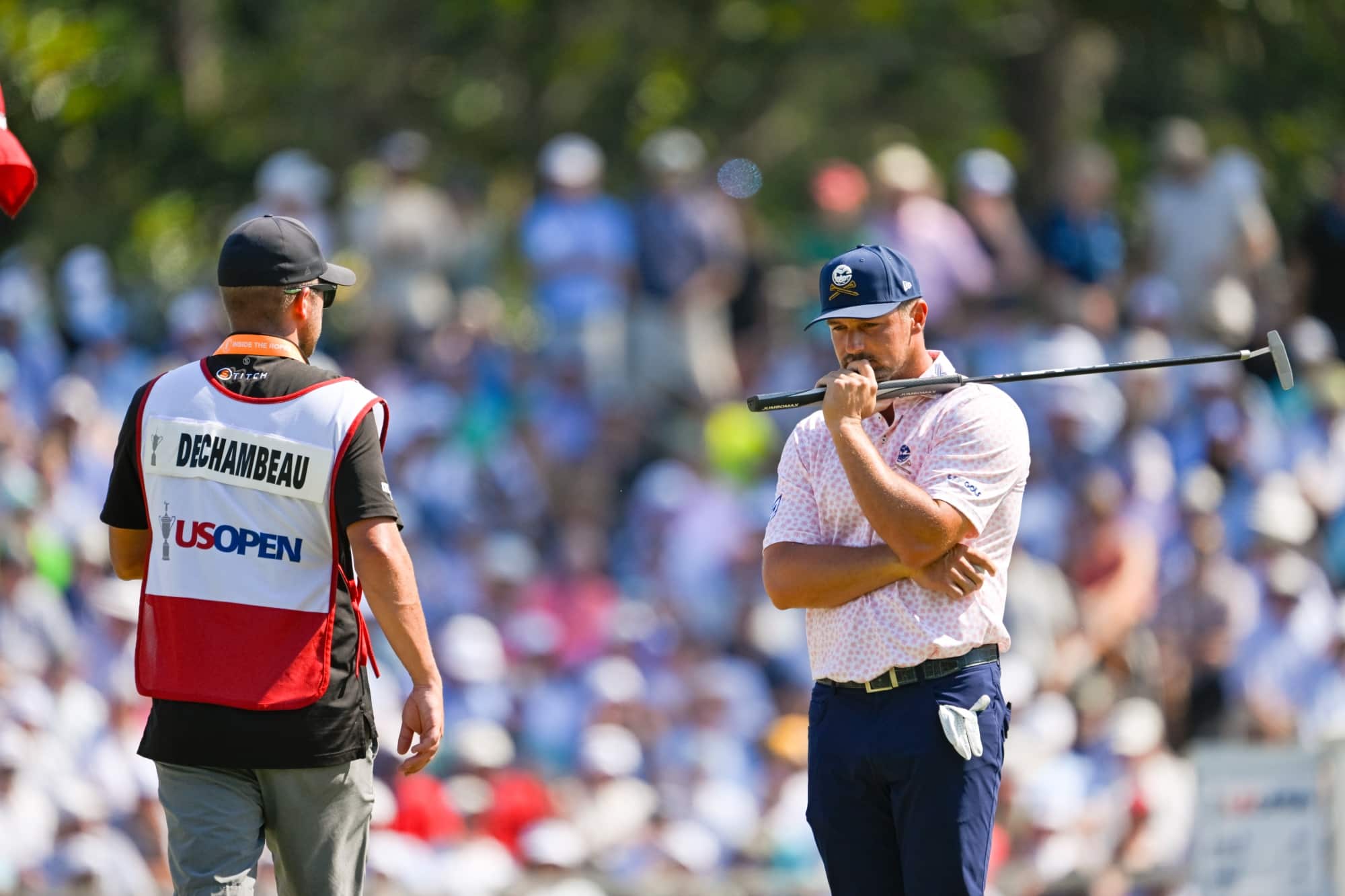
DeChambeau, for all his innovation and intrigue, is heading home early.
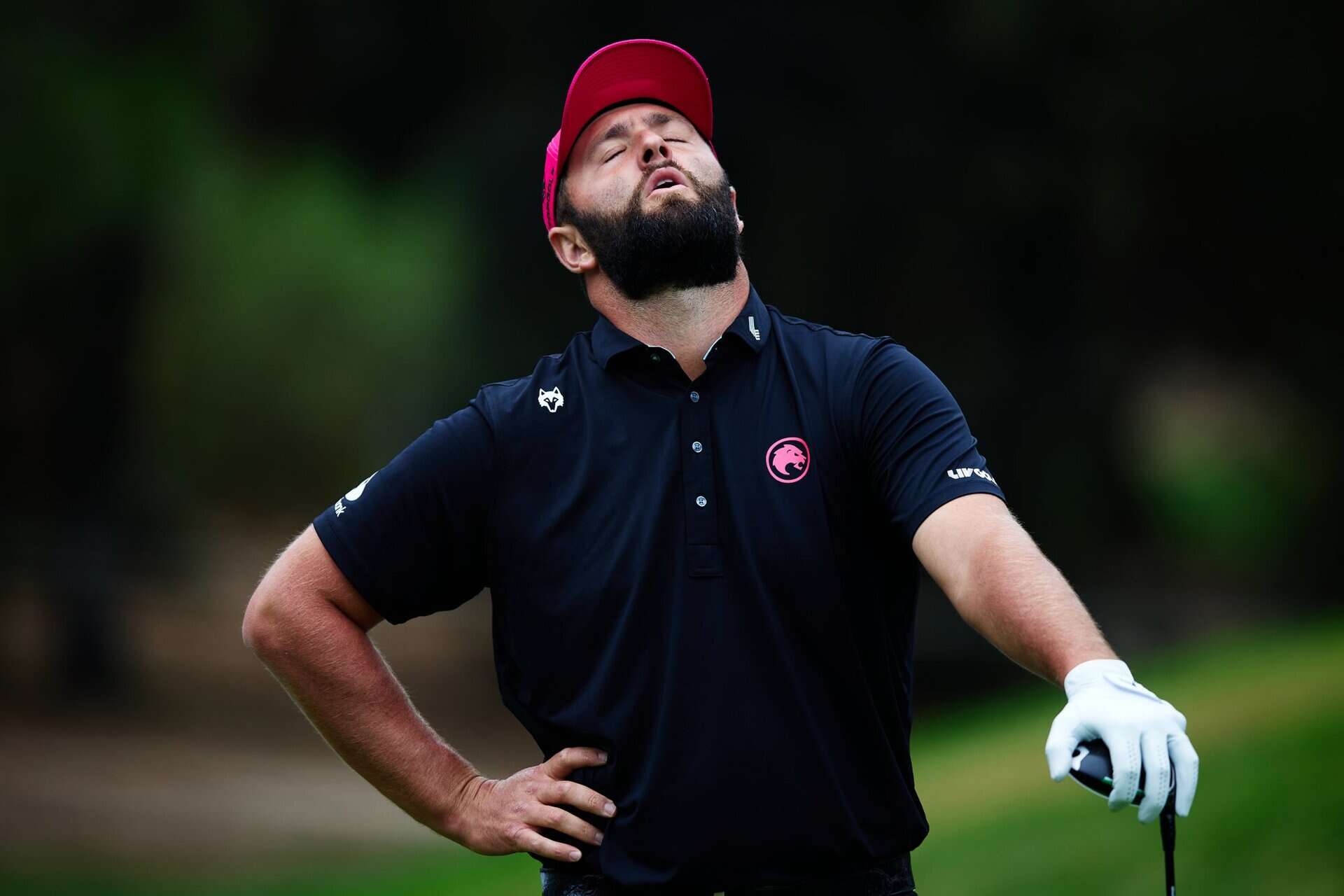
DeChambeau’s week, even before the missed cut, was framed by experimentation and an obvious appetite for external validation.
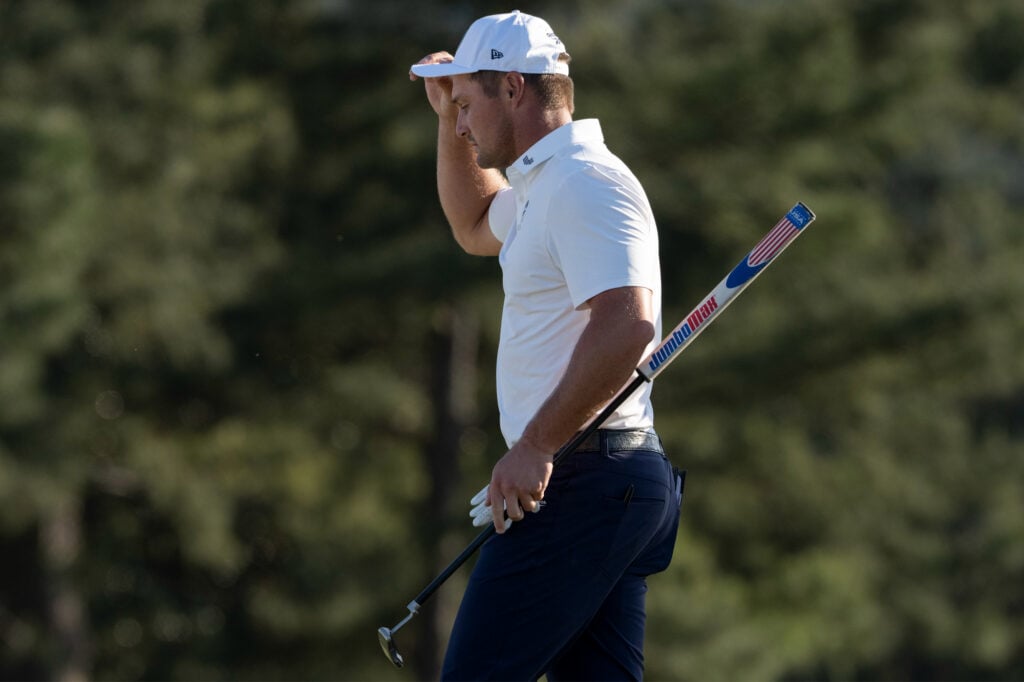
He arrived at Augusta as competitor, creator, engineer, franchise holder and prototype refiner, continuing the pursuit of his version of technical mastery.
His now well-documented 3D-printed irons drew much attention. even if he was reluctant to fully explain them, describing the process as “a longer conversation” than the moment allowed.
This perhaps betrayed the need to focus on his golf, as did swishing off 300 range balls on Tuesday.
His insistence on engineering his own clubs feels like the thin end of the wedge. For Bryson, golf is not just something just to be played, it is something to be solved, engineered, improved, enhanced, expanded.
He wants to be at the top table of content creation, equipment innovation and the godforsaken growing of the game.
His career has become a blend of athlete, innovator and entertainer. The YouTube channel, the LIV millions, the relentless tinkering with equipment – he does not see them as distraction, it is all part of building Brand Bryson.
All of these things are visible and external, as with the public expression of his competitive instinct. He once famously and brashly described Augusta as a par 67.
Ahead of the tournament, DeChambeau spoke openly about his rivalry with McIlroy, saying he wanted to “absolutely beat the living you know what out of” him. There is nothing subtle here, it’s outward-facing, showy, click-generating rhetoric.
Advertisement
All the while, as DeChambeau’s world has been getting bigger, McIlroy’s has been quietly getting smaller.
The most telling detail of his preparation this week had nothing to do with TrackMan numbers or swing changes. It was logistical, almost domestic: dropping his daughter at school, flying to Augusta for practice, and returning home in time for dinner.
This is not the Rory McIlroy of a decade ago, chasing everything at once: titles, legacy, validation, perfection, grand slams. This is a player who now has his grand slam and who understands what to leave out.
His world maybe smaller, but it is also clearer.
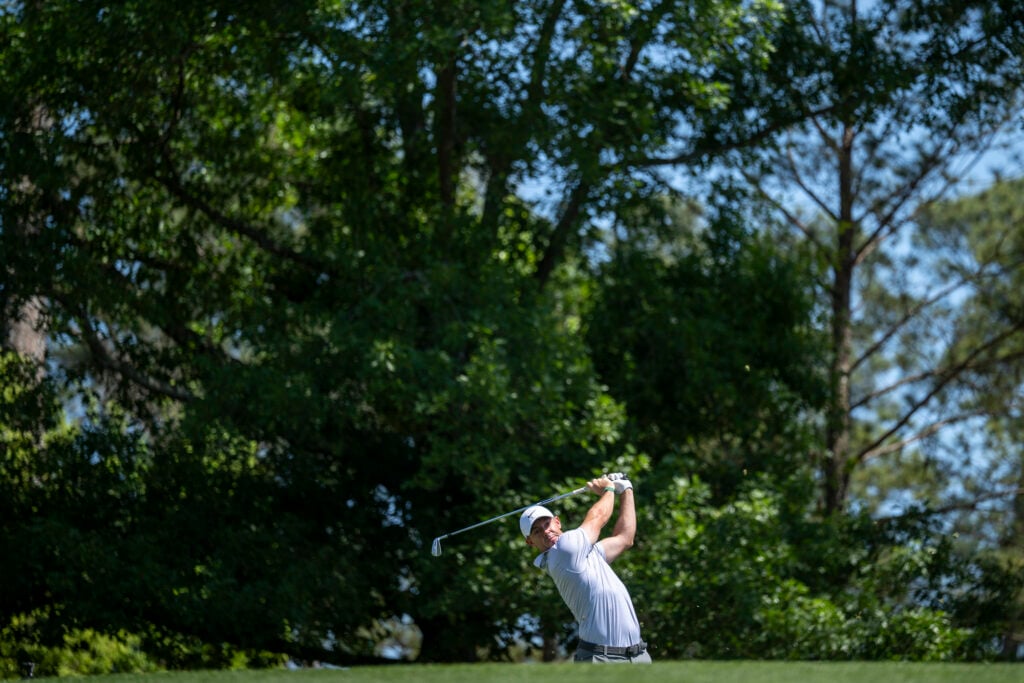
Consider this:
When prime beefcake Bryson won the US Open at Winged Foot in 2020 it sent the whole golf world into a spin that distance hitting had now jumped the shark and the game as we know it was gone forever.
Rory’s response? To try to add yet more yardage in fear of losing physical and metaphorical ground to Bryson. It didn’t work and his game went backwards for six months or more.
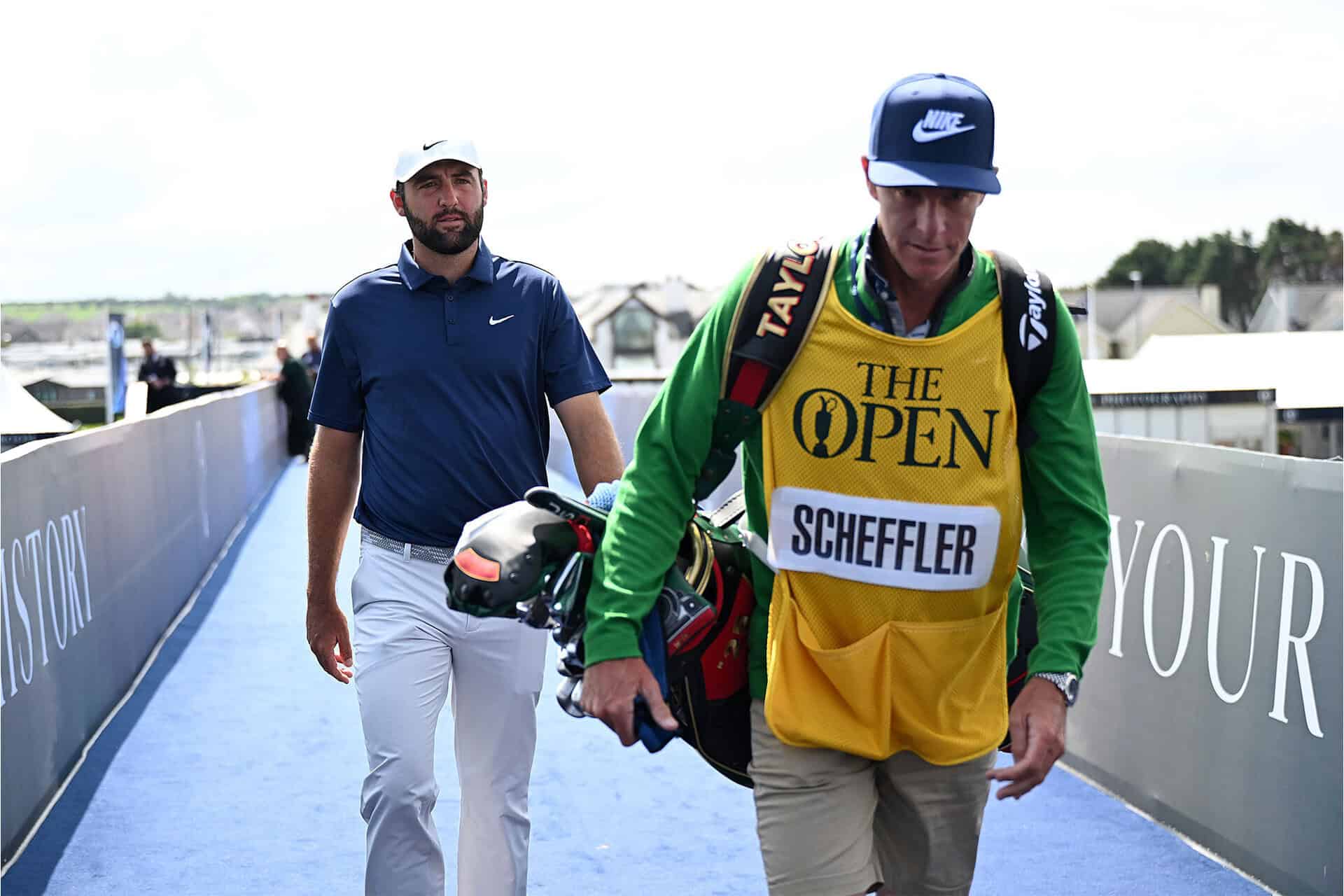
Fast forward to 2024 and the era of Scottie Scheffler dominance and Rory spoke of wanting to be more like Scottie.
We assumed he meant eliminating double bogeys but perhaps he meant eliminating everything else except family and golf. In that order.
That is quite the shift, and it is clear in how he now talks about the game.
This week, he has emphasised staying “in his own world” mentally, resisting the pull of leaderboards, external noise and often his own cartoon persona.
His previous caddie, JP Fitzgerald, once said to him (after a ropey front nine at Royal Birkdale) ‘pull yourself together, you’re Rory effing McIlroy’.
This was, surely, feeding the beast, with the language of someone who thinks they can control the narrative. What we hear now from Rory is the language of someone who is trusting the process.
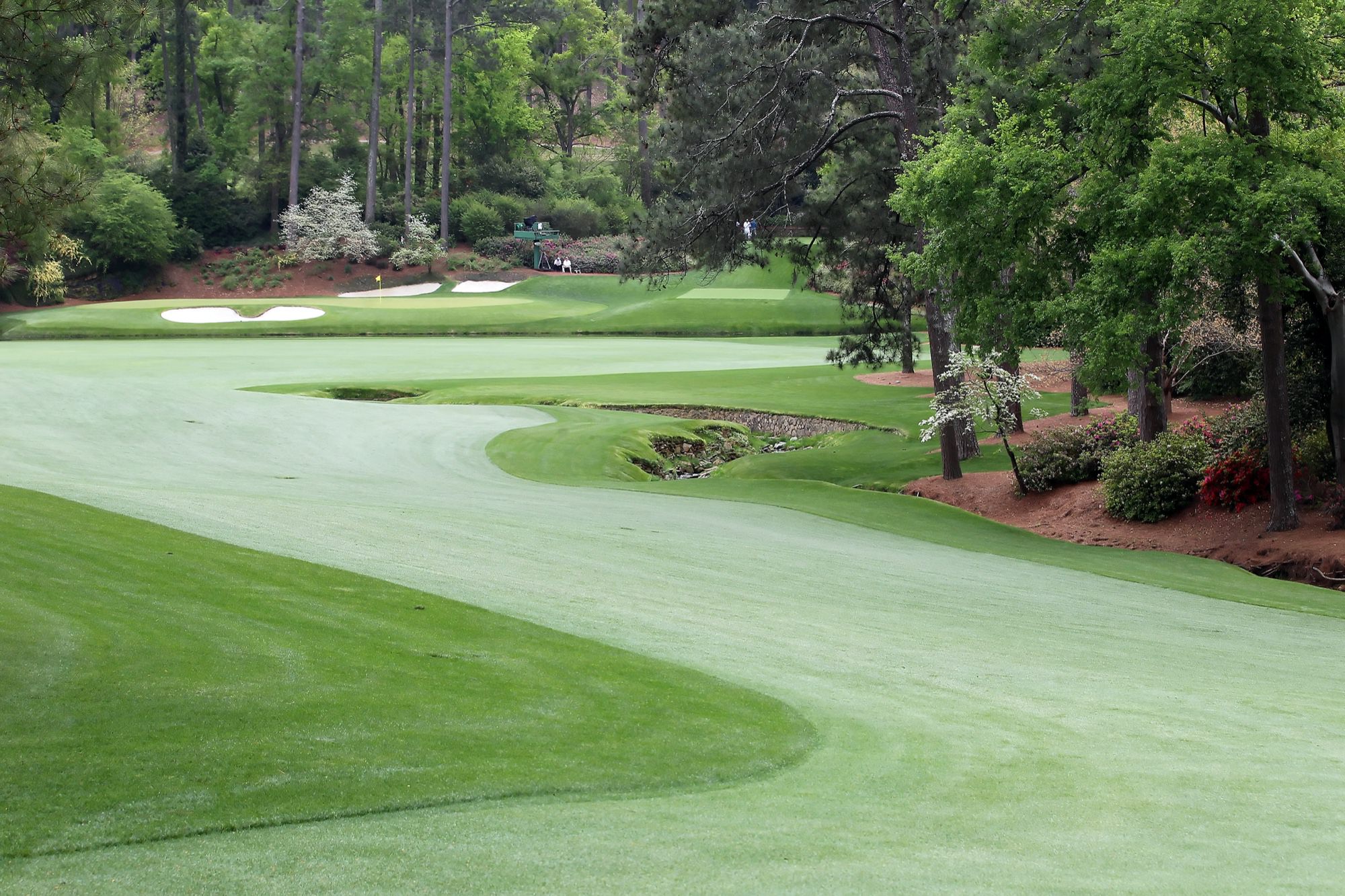
To bring this back to Augusta, you cannot just decide it is a par 67, you cannot just Rory effing McIlroy it. It punishes that kind of bravado. It asks for patience, restraint and an acceptance that not everything can be bullied into submission.
It is the ultimate test of whether a player can get out of his own way. Last year, with the weight of immortality on his shoulders, Rory managed it, just.
This year, his six-shot lead is not just a product of form, though his second-round 65 suggests plenty of that. It is a product of clarity. He is not fighting himself or LIV or history anymore. Post Masters, post Poppy, he is not trying to be anything other than what he already is.
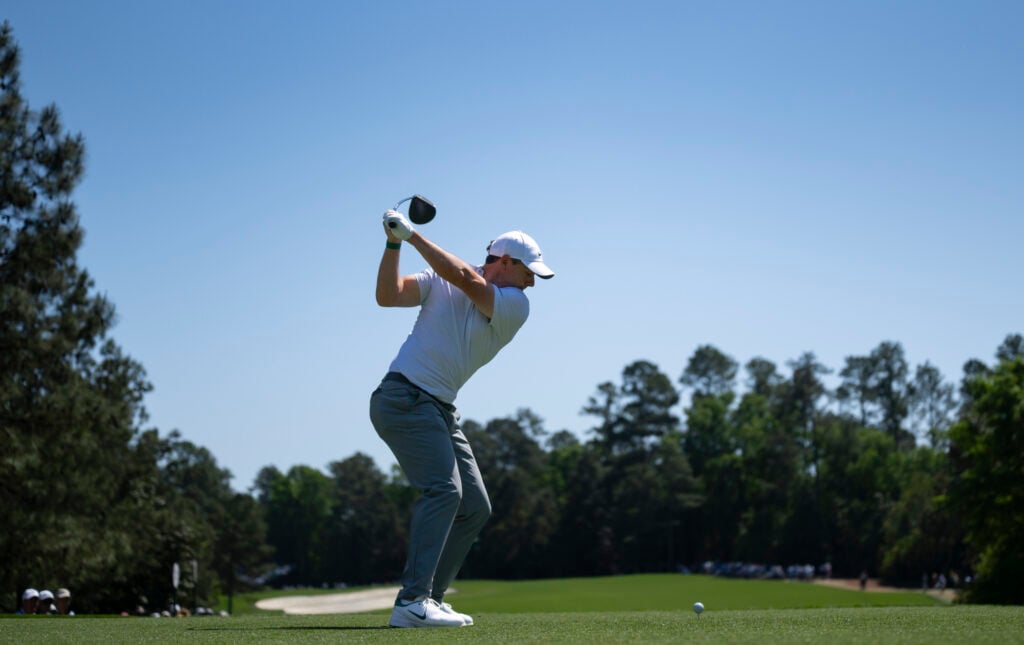
DeChambeau, meanwhile, is still searching. That is not a criticism, almost all players, humans, go through this. There is often a period where they try to build everything at once: their game, identity, and place in the sport. Bryson is simply doing it in a more visible, modern way than most.
DeChambeau is still trying to master everything. McIlroy has mastered McIlroy and, right now, everything else follows.
- NOW READ: What the Masters’ no-mobile-phones policy actually means for the patrons
- NOW READ: Who missed the cut at the Masters?
- NOW READ: Scott, Garcia and Rose: Major brothers in arms for a quarter of a century
NOW HAVE YOUR SAY
What has gone wrong for Bryson? Is this the start of the Rory McIlroy era? Who wins the 2026 Masters? Let us know by leaving a comment or getting in touch on X!
Advertisement