


Winter can be a blur for club committees. Course closures irritate members – even if they just can’t be helped – and even when the fairways are accessible conditions are ever-changing.
Snow, ice, rain, temperatures that dip up and down, it’s a time of temporary rules and constant evaluation. Even though the Rules of Golf and the Rules of Handicapping have been significantly simplified over the last half-decade, there are still plenty of them and that provides room for confusion.
Whether it’s golfers misunderstanding what the rules don’t allow, or committees similarly overreaching when it comes to implementing them, here are a trio of winter rules for golf scenarios that arise during the coldest months. They can cause issues for players and for those who organise competitions.
Here’s how to fix them…
Winter rules for golf: Here’s a trio we all need to know
You don’t have to mark a ball when taking preferred lies
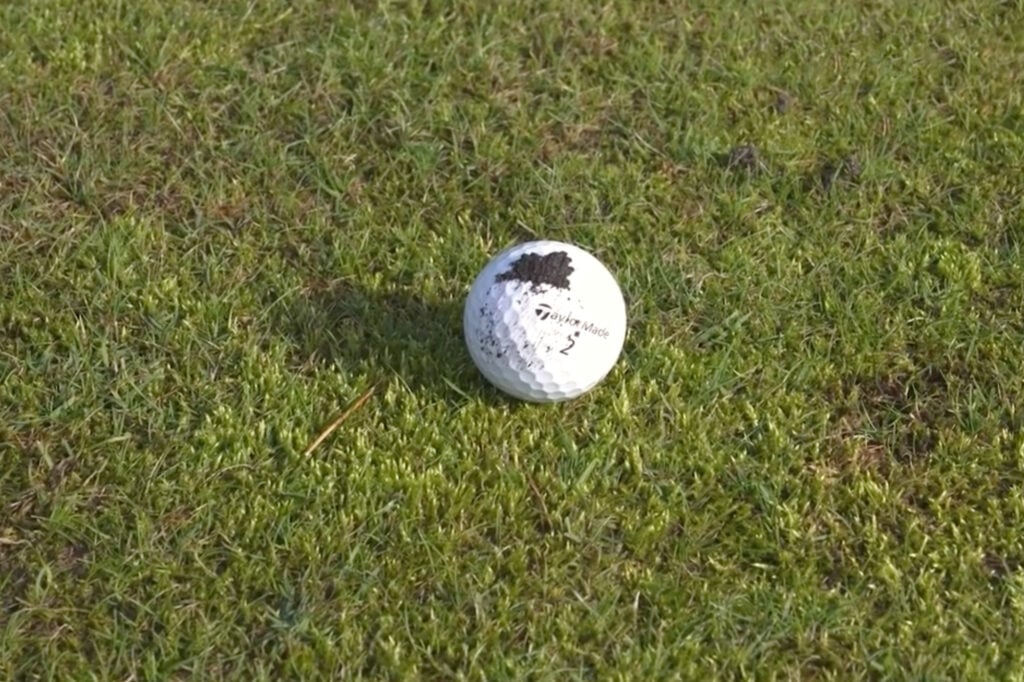
Committees make this mistake time and time again – I’ve got Local Rules lists to prove it. When they give permission for players to take preferred lies, they tell them they ‘MUST’ mark the position of the golf ball first before they lift it. Some clubs tell players they will get a penalty stroke if they don’t.
But they’ve got it all wrong. You DO NOT have to mark the ball when taking preferred lies relief. There is nothing in Model Local Rule E-3 to say players must, and there is nothing in the wider Rules of Golf that compels them to do so either.
The error comes from a misinterpretation of what’s happening when players take such relief. It is true that if players need to replace the ball on its original spot, such as lifting and replacing on the putting green, they must mark the ball first.
That’s not what’s happening with preferred lies. In this instance, the ball is being replaced not on a spot but within a relief area – usually six inches.
Advertisement
And Rule 14.1a clearly says that, when taking relief under a Rule, golfers are not required to mark the ball first.
While it’s advisable to do so – if only because it can be helpful if a dispute arises – clubs can’t penalise players who don’t do it unless they know the ball was struck from outside the specified relief area. How can they realistically know that?
But for clubs which use Model Local Rule E-2, which allows players to clean their ball in any part of the general area, rather than the Preferred Lies Local Rule, which is usually employed in areas cut to fairway height of less, then marking does apply because the ball has to be replaced on its original spot.
Winter rules for golf: Clubs can punish golfers who don’t respect the rules around temporary greens
Want to make a greenkeeper mad? Take a big divot out of their temporary green, or put those big size 10s all over a putting surface that’s been deemed out of play because of the winter weather.
Some golfers are inclined to do both, because they don’t respect the rules or don’t fully understand them. But there a couple of things clubs can do to hammer home the point to players – and we all generally get the message if we’re hit hard on the scorecard.
Firstly, committees can define temporary greens as no play zones (when they are not used for putting) and not as ground under repair. The latter gives players the opportunity to play it as it lies. The former makes it forbidden. Golfers will get a two-shot penalty, or will lose a hole in match play, if they ignore it.
Secondly, clubs can remind golfers that, when temporary greens are in operation, the normal putting surface is a wrong green. The rules say “relief must be taken from a wrong green”. Players will get a two-shot penalty if they hit the ball from it – even if it’s only punting the ball back towards the temporary green. They are deemed to have played from a wrong place.
Advertisement
Don’t use fairway mats on the tee
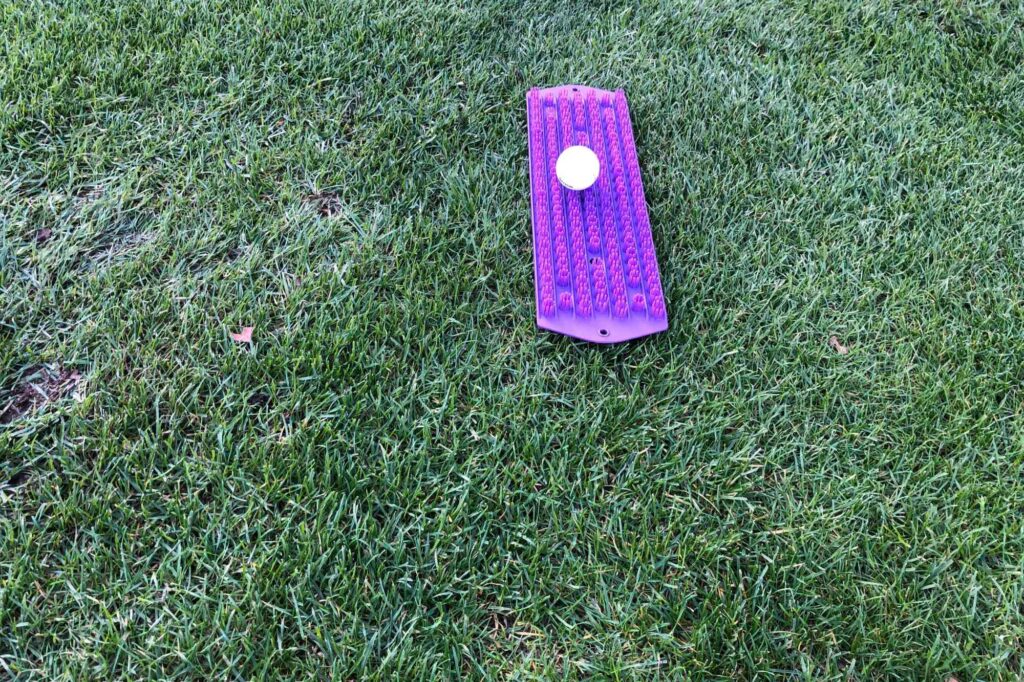
The clue is in the title. But it’s understandable why, when some clubs mandate their members and visitors to use fairway mats during the winter golf months, they may want to employ them on teeing areas too. After all, they can take an absolute pasting and the grass won’t grow and repair the turf until the spring.
The problem is it’s tricky under the rules. Clubs can compel players to use fairway mats with a Local Rule – they have no choice in parts of the general area cut to fairway height or less if that regulation is in place – but England Golf say it doesn’t apply to the tee.
In their Adverse Weather Reference Guide, when discussing the compulsory use of fairway mats, rules experts at the governing body explicitly state: “The use of fairway mats is not allowed within the teeing area, as this would breach Rule of Golf 6.2b (2) and 6.2b (3).
- This piece also appears in the GCMA’s monthly Insights newsletter that is packed with expert opinion on matters relating to golf club management. Sign up to Insights for FREE here.

Now have your say
What do you think of these winter rules for golf? Does your club struggle with them? Have you fallen foul of any of them? Let us know with a comment on X.
Advertisement