


Golf is primarily a hand, wrist and arm sport, so we should always begin our path to improvement by ensuring that these things are at least giving us a chance of hitting good shots rather than causing poor ones. In the video below, PGA Pro Jack Backhouse explains exactly what amateur golfers do wrong and how to correct it.
- RELATED: Always Start Your Swing Like This
- RELATED: Best Swing For Senior Golfers
3 Wrist Movements
It is important first to know the three different ways in which the wrists can move in the golf swing, to then learn if you do too much or too little of any of them.
Ulnar/radial deviation. This is the classic wrist cock straight up and down movement where the club works straight up and down.
Flexion and extension. This is the cupping/bowing movement of the wrists which would move the club head side to side.
Rotation. This is literally the twisting of the grip that just rotates the golf club open and closed.
All golf swings have some amount of all three of these movements, but what is important is having the right amount for your intentions in the swing.
Common Faults
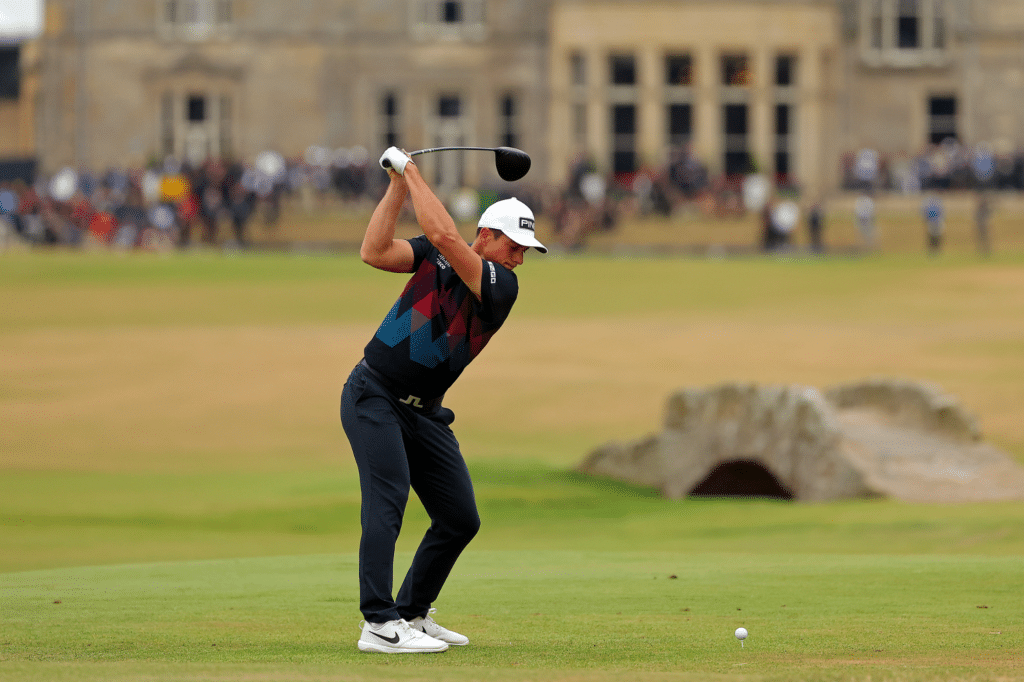
The biggest fault I see on the range teaching amateur golfers full time on the driving range is too much wrist cock, which leads to a cupped wrist. This means that the wrists don’t flex or extend enough in the golf swing, which always results in an open clubface at impact.
We know that the most common ball flight issue in amateur golfers is a dreaded slice, then we know we need to close the club face earlier in order to correct it.
If we know this is the case, we should be trying to use our wrist to have a stronger face in the backswing, to produce a more closed face at impact, to fix a slice.
Advertisement
You could do this by having a stronger grip, but if you already have a strong grip it might not be suitable to do so. Most golfers on tour have a flat to bowed (flexed) left hand throughout the swing.
Trail Wrist Extension
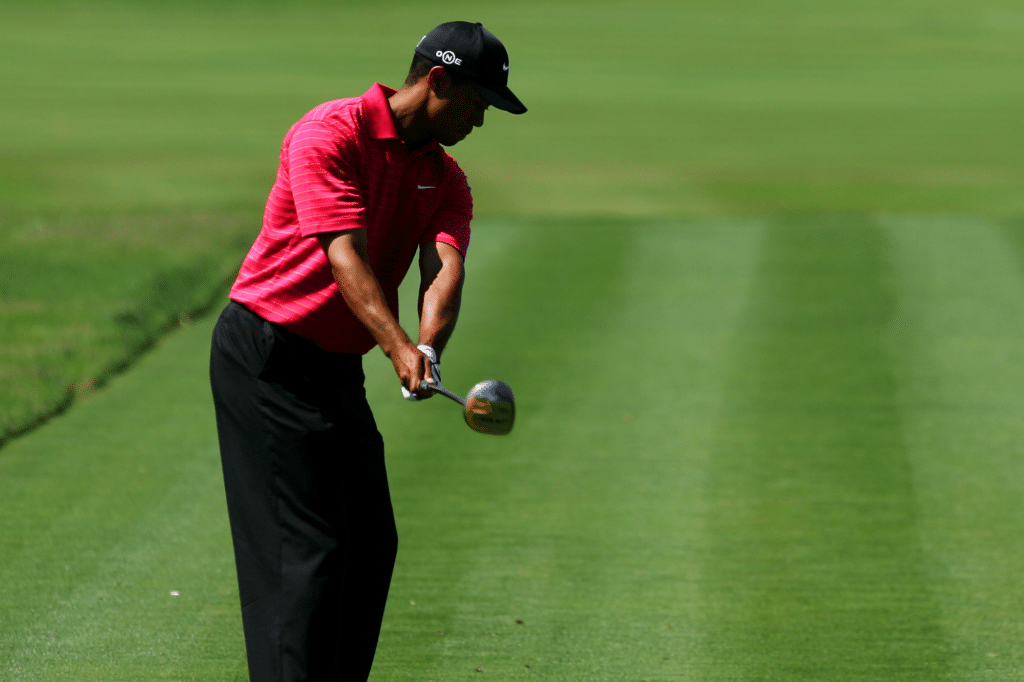
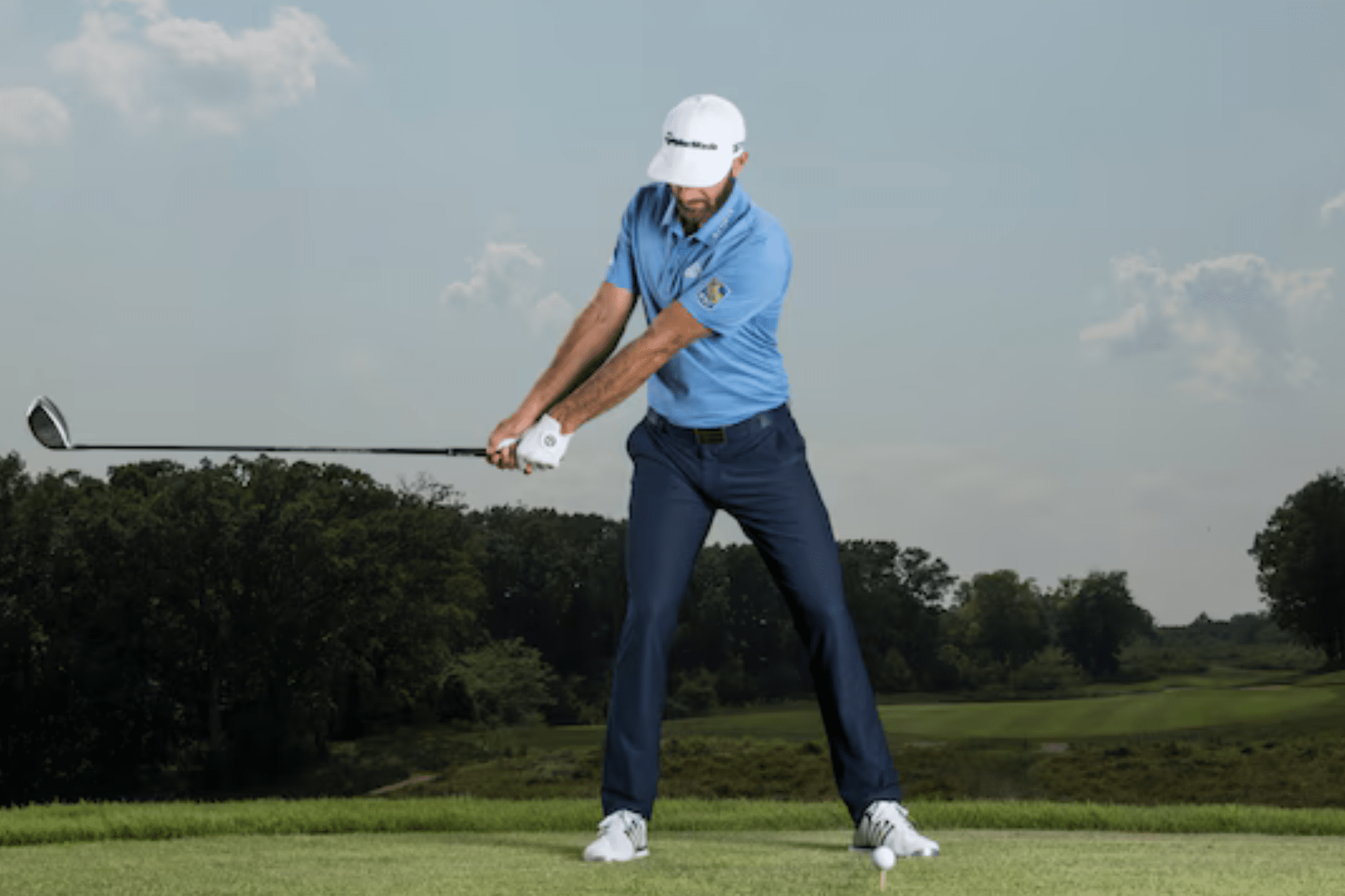
We should all be trying to achieve some amount of trail wrist extension in the backswing. Most tour players achieve 30-40 degrees of extension in the swing, where most amateurs only get to 10-15 degrees.
This not only gives us more speed potential as you have to release these angles prior to impact, it also gets the club head more behind the hands throughout the swing, which improves our club path and helps us hit a straight shot.
To achieve more wrist extension throughout the swing, you need to hinge the club up 45 degrees to the ball to target line in your takeaway. This puts you in a great position to maintain the wrist angles throughout the rest of the swing.
Wrist Rotation
This should be used as a directional tool. More rotation helps hit the ball more left and less helps you hit the ball more right.
Most golfers have a lot of wrist rotation to make up for the lack of trail wrist extension, so it should be managed appropriately throughout the swing depending on the dispersion of your shots.

In this video I give a couple of drills that help you learn what correct wrist action is throughout the swing, so be sure to watch that to learn more in detail.
Give these tips a try and let us know how you get on! If you want to keep up to date with Jack’s instruction you can subscribe to his YouTube Channel here, or keep watching our instruction page!
If you want to watch some more of Jack’s instruction videos, you can get to his YouTube Technique Tips playlist by clicking here. Please check out our other instruction articles if you like this video on how to use the wrists for more power and stop slicing.
- RELATED – On Course Scoring Drills: 3 Hole Worst Ball Challenge
- RELATED – How To Drive The Ball Like Rory McIlroy
- RELATED – How To Set Up To Driver
Advertisement