Golf club shafts are a hugely important part of maximising performance throughout your golf bag. But, for many club golfers, terms like torque, shaft flex, or understanding shafts weights can feel like another language altogether.
To help with this, we have sat down with the experts at KBS shaft to help get us all up to speed with golf club shaft lingo. Whether you’re a seasoned player looking to fine-tune your setup or just starting to explore custom fitting, this will help to give you a clearer understanding of the language behind one of golf’s most essential components.
What does shaft flex really mean, and how is it categorised?
Shaft flex refers to how much a golf shaft bends during the swing, particularly at the transition and impact. It plays a crucial role in timing, ball flight, accuracy, and distance. If the flex doesn’t match your swing speed and tempo, you’re likely to see inconsistent results—even with a perfect swing.

How is torque measured in a shaft, and why does it matter?
Torque in a golf shaft refers to its resistance to twisting during the swing, particularly when the club is under load (e.g., during transition and impact). It’s measured in degrees (°) and represents how much the shaft twists when a force is applied—typically a standard weight at a certain distance from the shaft’s axis. It matters because it can affect every part of a fitting from feel and feedback; shot shape and dispersion; and launch and spin.
What is shaft weight and how does it affect swing performance?
Shaft weight refers to the total mass of the golf shaft, measured in grams (g). It typically ranges from:
- 35–65g for graphite (drivers, hybrids, irons)
- 85–130g for steel (mostly irons, some wedges)
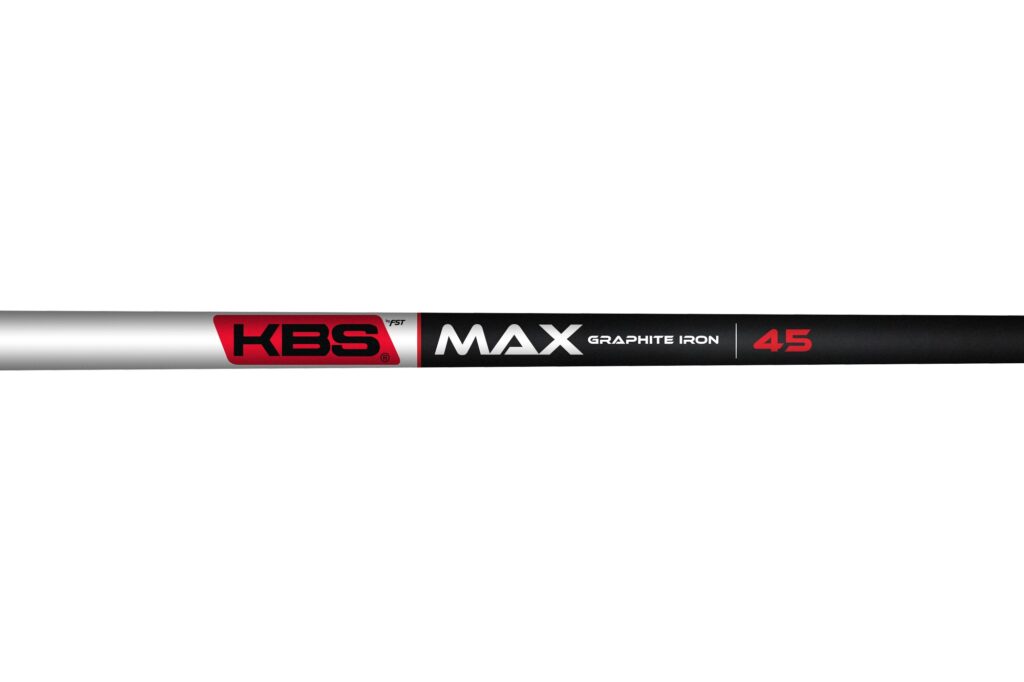
It’s one of the most critical fitting variables, influencing swing speed, tempo, ball flight, feel, and consistency.
Can you explain the difference between frequency and flex?
Frequency and flex are related concepts in golf shafts, but they are not the same, and understanding the difference can help you make much better equipment choices.
Flex refers to the general stiffness of a shaft and how much it bends during the golf swing.
Advertisement
Frequency is a scientific measurement of shaft stiffness, usually measured in cycles per minute, CPM, using a frequency analyser. The shaft is clamped at one end and vibrated—how fast it vibrates tells you how stiff it is.
Flex is a general label for stiffness.
Frequency is the actual measurement of that stiffness.
For precision and performance, especially for serious or improving golfers, frequency is the more reliable tool.
What does tip stiffness refer to, and how does it influence ball flight?
Tip stiffness refers to the flexibility of the lower (tip) section of a golf shaft—the part nearest the clubhead. It’s a key factor in determining how the shaft behaves during the downswing and at impact, especially in terms of launch angle, spin, and feel.

It influences ball flight immensely. A stiffer tip will offer a more penetrating, flatter ball flight with more control and less ballooning effect, whilst a softer tip will provide a higher trajectory that is easier to launch with more carry distance.
How do the terms parallel tip and taper tip relate to club fitting?
They refer to the shaft tip diameter and shape, and they play a key role in club fitting, shaft selection, and how a shaft performs in a clubhead.
Club builders like parallel tip shafts for their flexibility—you can create a full set from one shaft model and adjust flex by trimming.
Taper tip shafts are often preferred for precision builds, since each shaft is engineered to deliver ideal launch, spin, and feel for that specific club.
• Created by renowned shaft designer Kim Braly and built from player feedback, KBS Golf Shafts offer the most advanced shaft technology in the industry. To learn more, click here.
• This piece is part of a special series on golf shaft technology. Read more here.