



It may look tranquil but it’s a warzone on your golf course. “Pests can be a major concern for the golf course manager,” says Sean Loakes, technical manager at Syngenta and responsible for developing new solutions for pest control in the golf industry.
The grass is under attack from all kinds of villainous foes – from microscopic worms that can strike from underneath to mammals that can roll up turf “like it’s carpet”.
Add in unpredictable weather, which is bringing new weeds and unfamiliar irritants, and the removal of chemicals, such as pesticides that once offered a quick solution, and your greenkeeping teams can be fighting a battle on many fronts.
In a regular series, Sean takes you through some of the major pests seen on golf courses and outlines why they’re so destructive. This time, we’re talking about leatherjackets…
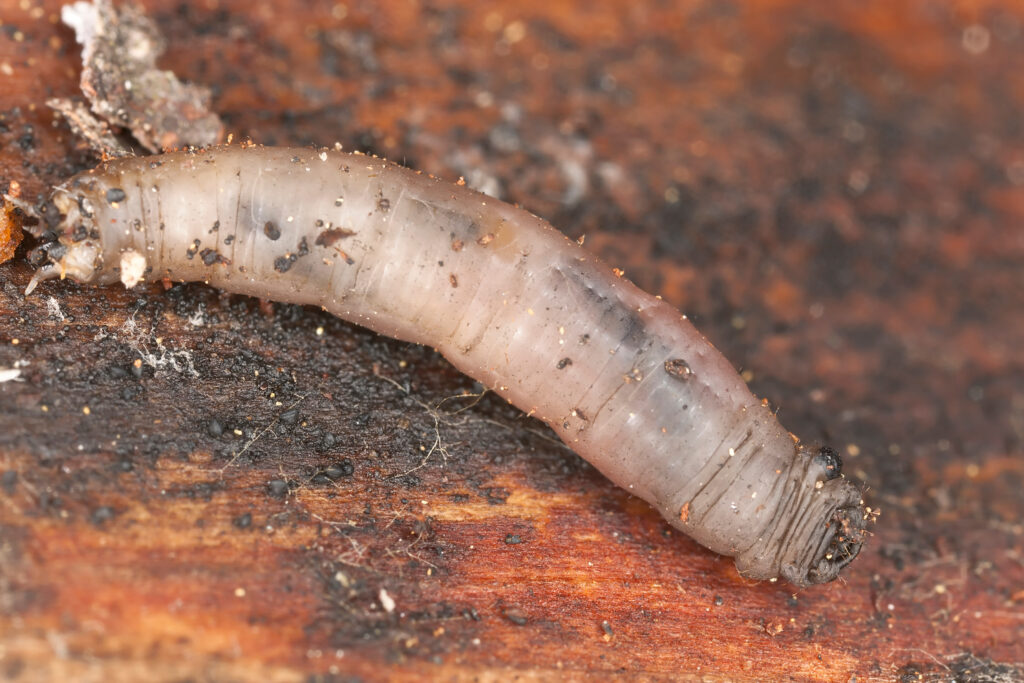
What are leatherjackets?
The leatherjacket is the larval stage of the crane fly. There are 150 species in the UK and Ireland but only two damage turf. They can live completely under the soil, emerging only when they become adults, fly away, breed and start the process again.
They can also live in aeration channels and eat around the top, keeping aeration scars open for longer. That’s an issue for getting playing surfaces back to neat and tidy.
How do they affect golf course turf?
The primary damage comes when the eggs, laid under the soil, hatch and the grubs eat any organic matter – roots, shoots, anything they can get. This leads to a sward that is much weaker than the greenkeeper would like.
Turf dies more quickly in drought, and, with not enough fertility, the plant dies more quickly because the roots aren’t as good. Turf will blow out faster with golf activity and trolley damage will be more severe with high infestation levels. Secondary damage comes from mammals and birds targeting those big juicy grubs.
Advertisement
What can be done about leatherjackets?
They are hard to remove as they’re generally under the surface. In recent years, available controls have reduced significantly.
Syngenta’s Acelepryn is the only product on the market, but golf courses can only use it on 10% of their mown grass areas, so they must pick the most vital areas to apply it.
There are nematodes, microscopic worms, but this can be costly to get right. Putting down big sheets overnight, pulling them up and sweeping away all the insects on the surface is a lot of pressure on staff, who need to cut in the morning.
What do golfers need to know?
Greenkeepers are doing their best to manage this issue, which varies annually. Insect pests are temperature-driven: warmer conditions accelerate breeding and plant material consumption.
It’s hard to manage as we don’t know exactly when they are going to be a problem.
- This article appears in Your Course, the twice-yearly publication from the British and International Golf Greenkeepers Association. Your Course invites golfers to gain a deeper appreciation of what preparing and maintaining a golf course really involves. Head to www.bigga.org.uk to find out more.
Now have your say
Has your golf club suffered with leatherjackets? What were they able to do about them? Let us know by leaving a comment below or on X.
Advertisement