



Despite the inexorable rise of automated technology, some age-old methods of maintaining the land have stood the test of time.
Cows are nature’s lawnmowers, happy to graze for up to eight hours a day, and one golf club in Hertfordshire has found a way to turn its herd of Devon reds into a high-tech team of grass-munching machines.
Up until World War II, cattle grazing on Berkhamsted Common were a regular sight, but they didn’t return after the war and it wasn’t until 2023 that Berkhamsted Golf Club brought them back.
Each of the herd wears a special GPS collar, enabling the club to control where they graze, so golfers should not encounter any bovine bother.
“As custodians of the common we have obligations which cover the entire ecosystem and not just the golf course – which covers less than a third of the whole area,” said the club.
“We have received fantastic advice from the experts, and the cattle will help Berkhamsted residents and visitors to continue to enjoy using the common for generations to come.”
The initiative is part of a regenerative farming project which the golf club, as custodians of the 520-acre Berkhamsted Common estate, has developed with the assistance of Chilterns National Landscape, and the Herts & Middlesex Wildlife Trust.
“This is a great example of how modern technology can be married with traditional farming common sense, to produce a wonderful situation for the whole Berkhamsted community to enjoy.
“Berkhamsted Common is one of the finest pieces of land in England, and our new herd of Devon Reds are already adding their own special beauty to the area,” the club added.
Where could automation take us next?
Here are six tasks that could become fully automated, according to Maya Global Founder and CEO Valentine Godin
Irrigation management
With increasing pressure on golf clubs to use water efficiently, smart irrigation systems can provide the solution, utilising weather data and soil moisture levels to tailor watering schedules to maximise efficiency and reduce waste.
Advertisement
Bunker raking
Similar to robotic mowers but with a rake attachment rather than a cutting blade, these handy little machines do exist but aren’t yet in common use.
Leaf gathering
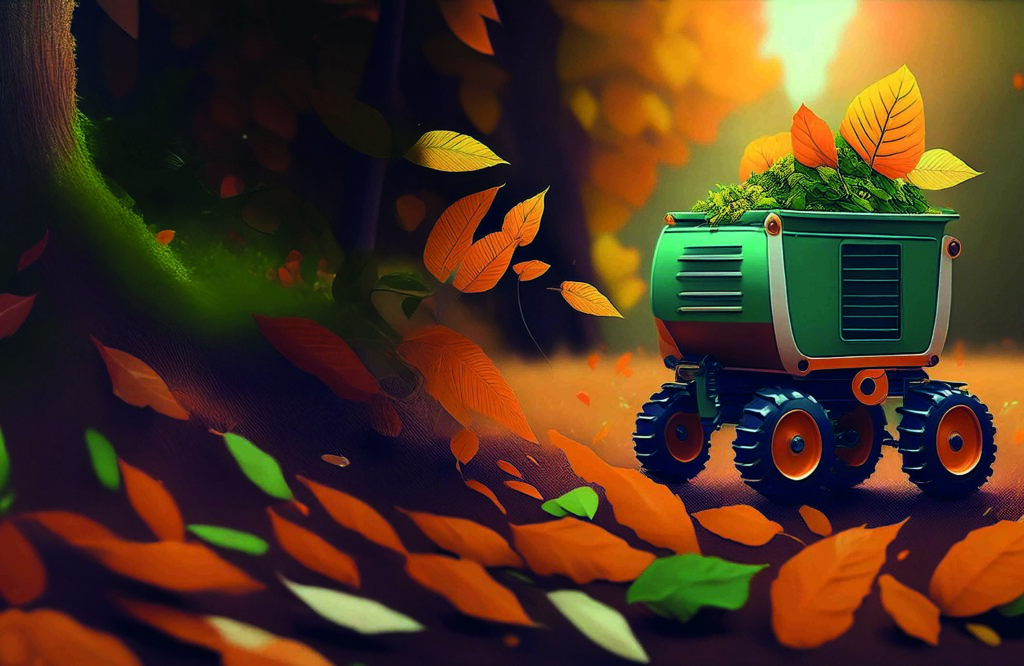
Not every golf course has trees, but for the many that do – and have them in abundance – the process of clearing leaves is a time-consuming task. A robot tailored to leaf collection or leaf blowing would alleviate greenkeepers of a much-maligned task.
Turf repair
Autonomous machines could perform minor turf repairs, such as filling divots or smoothing out areas with damaged turf.
Pest and weed control
Drones or autonomous vehicles equipped with sensors could patrol the course to detect pests or weed growth. Targeted application of pesticides or herbicides could be done more efficiently and precisely, reducing the need for large-scale spraying.
Ball retrieval
Automated systems or robots could be used to retrieve lost golf balls from hard-to-reach spots (like water hazards) or as part of a ball cleaning operation, potentially even bringing the balls back to the clubhouse for reuse.
- This article appears in Your Course, the twice-yearly publication from the British and International Golf Greenkeepers Association. Your Course invites golfers to gain a deeper appreciation of what preparing and maintaining a golf course really involves. Head to www.bigga.org.uk to find out more.
Now have your say on robotic mowers
What do you think about the rise of autonomous mowing and robotic mowers in the greenkeeping industry? Is it making your club better? Let us know by leaving a comment on X.
Advertisement