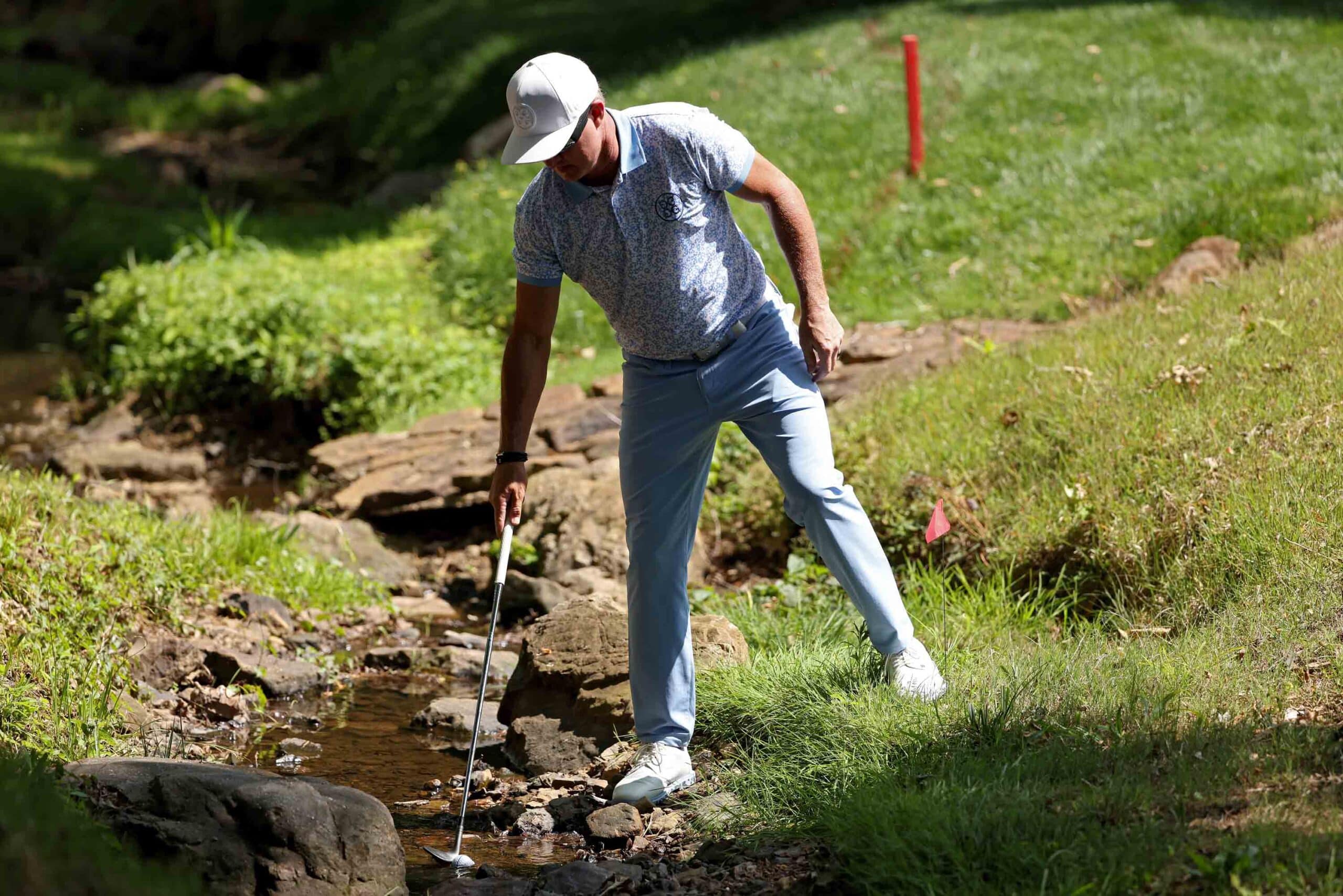



Can you believe it’s only a few weeks until the start of the new competition season? The Captain’s Drive In is barely a month away and I’m feeling a little undercooked.
The rain has been largely relentless. I think I’d seen a downpour nearly every single day since the start of the year and my own course, renowned for being a layout golfers turn to when the closed signs go up at their own clubs, had been forced to put the shutters up as well.
We finally reopened after a week but that’s only the start of the battle. For a start, it doesn’t seem to stay dry for very long. And even when we get a break, fairways can still be saturated. Bunkers can remain flooded, and our lovely turf continues to struggle under the waterlogged conditions.
So just what have the downpours been like? What happens to our courses when all that rain falls? And, crucially now with competitions just a few weeks away, how long will take our courses to recover?
How much rain have we had?
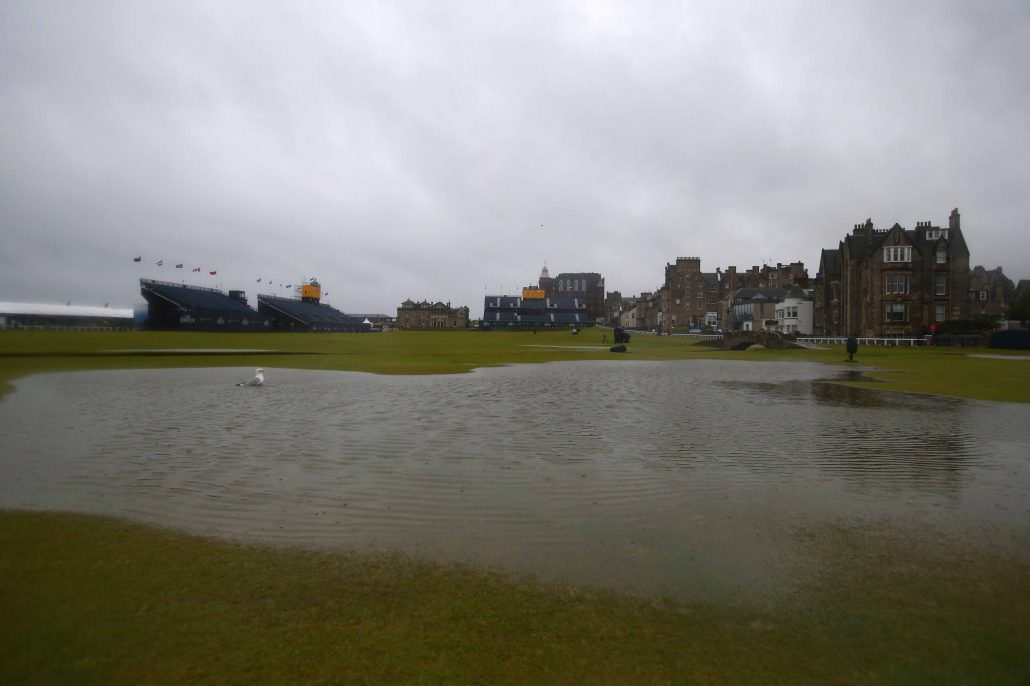
The easy answer is ‘a lot’, but that really depends where in the United Kingdom you live. Met Office figures revealed that rainfall in January was above average and “117% of the long-term average January rainfall”.
But Northern Ireland recorded its second wettest January ever – with 195.6mm of rain – while Angus and Aberdeenshire, the Met Office said, had their second and third wettest Januarys on recorded. Cornwall recorded an astonishing 267.6mm of rainfall during the first month of the year.
The single biggest day of rain fell at Skye on January 10, when Alltdearg House recorded 131.6mm.
That contrasted with the north of Scotland, which was the driest region and which recorded only 63% of average rainfall.
Following the first week of this month, the Met Office reported the UK had already seen “37% of the average rainfall expected for the whole of February, while England has already reached 59% of its monthly average”.
Advertisement
And though we’ve had a few dry days in some areas, wetter spells are forecast to be on the way.
What happens to our courses with all that rain?
“The grass gets wet”. Yes, very good Facebook. We looked at some of the most obvious impacts from the rain in this piece, but it goes a bit deeper.
In a briefing for the British & International Golf Greenkeepers Association, the R&A’s sustainable agronomy team spelled out some other impacts to a course when it’s hit with persistent rain.
It was written following the very wet summer of 2023 and outlined a situation where existing drainage was overwhelmed by the volume of rain – “especially aging designs which were never designed to calculate maximum flow rates”.
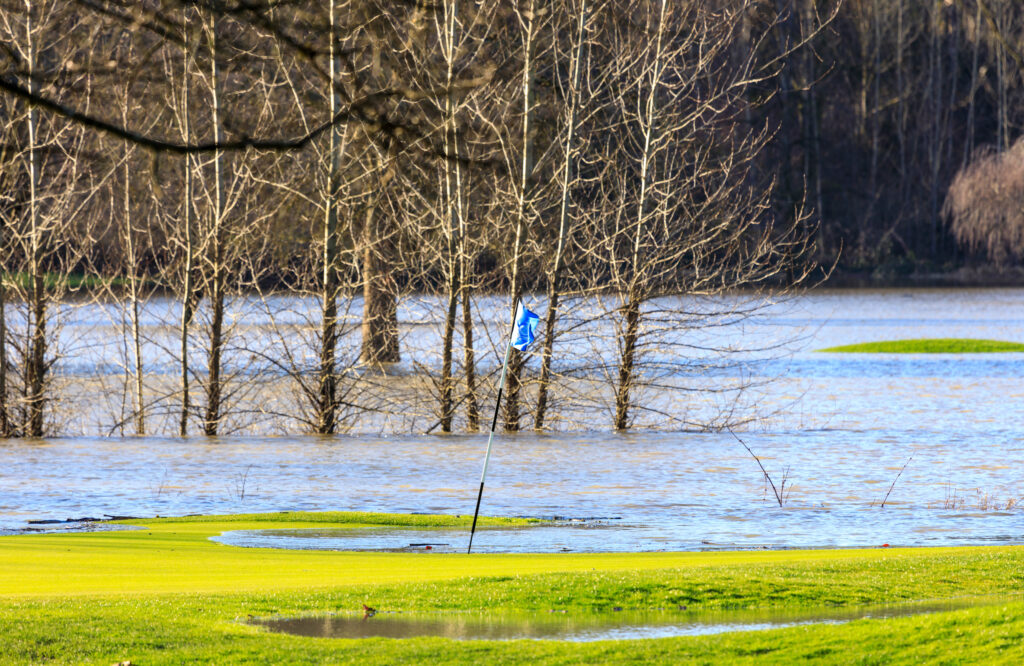
Wormcasts, contamination from silt and clay, along with other litter and debris – including “stone washed from adjacent paths or roads” – and irrigation control boxes that become “ready-made water traps” are some of the most visible consequences of intensive rain.
You’ll have seen bunkers where sand is washed out and that might need stripping out and replacing, while “silt deposits can also damage the soil texture and structure” and “flood damage can adjust the soil chemistry”.
But what you might not have considered is how it subsequently affects the work your greenkeeping teams can do. “Maintenance schedules will be severely disrupted. Regular aeration schedules have been interrupted as ground and soil conditions have been unreceptive to the treatments usually applied.
“There is a risk of doing more harm than good with ill-timed aeration, smearing the soil profile or damaging the turf”.
And those big winter projects that have been taking place? They’re likely to have been delayed, with the wet ground preventing teams getting big machinery out on the course. Those delays might mean those projects aren’t finished even as the competition season gets going.
You might also see increased scarring on your course, or weakened turf, as routine maintenance is impacted “such as the inability to maintain a schedule for spraying”.
How long is it going to take for our courses to recover?
I asked some greenkeeper contacts what we might expect – “how long will it realistically take your golf course to recover from the rain we’ve had?” – and the answer isn’t as straightforward you might think.
They said it depends on many factors – the type of golf course, the soil, temperatures in the ground, how it drains, staff numbers and resources and what type of spring we get.
A cold March which restricts plant growth could see recovery from the wet winter weather drag on later into the season.
And they added that with spring preparations already behind schedule for many, it doesn’t take much more rain to cause further issues.
So even when it finally stops, the road to recovery may still be drawn out depending on a whole range of factors.
Now have your say on golf course rain
How has rain affected golf course conditions at your club? Will it recover in time for the start of the new season? Let us know by leaving a comment below or by getting in touch on X.
Advertisement