


It’s a trope almost as old as the sport itself: golf isn’t good for nature.
More than that, as the world looks to become more sustainable to tackle climate change, it’s become a campaign and the idea that golf courses are bad for the environment – drunk on pesticides, wasting water, and harming biodiversity – has stuck.
There are around 2,500 golf courses in the UK, representing a third of our open space. There are closing on 16,000 in the United States. Campaigners ask whether that space should be utilised in a different way.
But if they’re managed properly, experts say a golf course can significantly enhance biodiversity, conserve rare habitats and be one of the leading sectors in promoting positive environmental practices.
The STRI Group has for nearly 100 years been committed to protecting the environment. Senior agronomic consultant Stella Rixon believes it’s all about achieving balance.
“Many are quick to brand a greenkeeper as lazy if an area of land looks as though it hasn’t been maintained,” she said.
“But at a time when golf clubs are facing rising costs of materials and fuel, there is no better time to asses what areas need minimal maintenance and can be left to rewild.”
Focus on the greens and fairways and you may see a highly manicured playing surface. But look beyond that and you’ll soon spot diverse ecosystems that create vital wildlife corridors amid urbanised landscapes.
Heathland and links dunes are transitional landscapes that in the past required practices such as grazing to prevent their development into woodland.
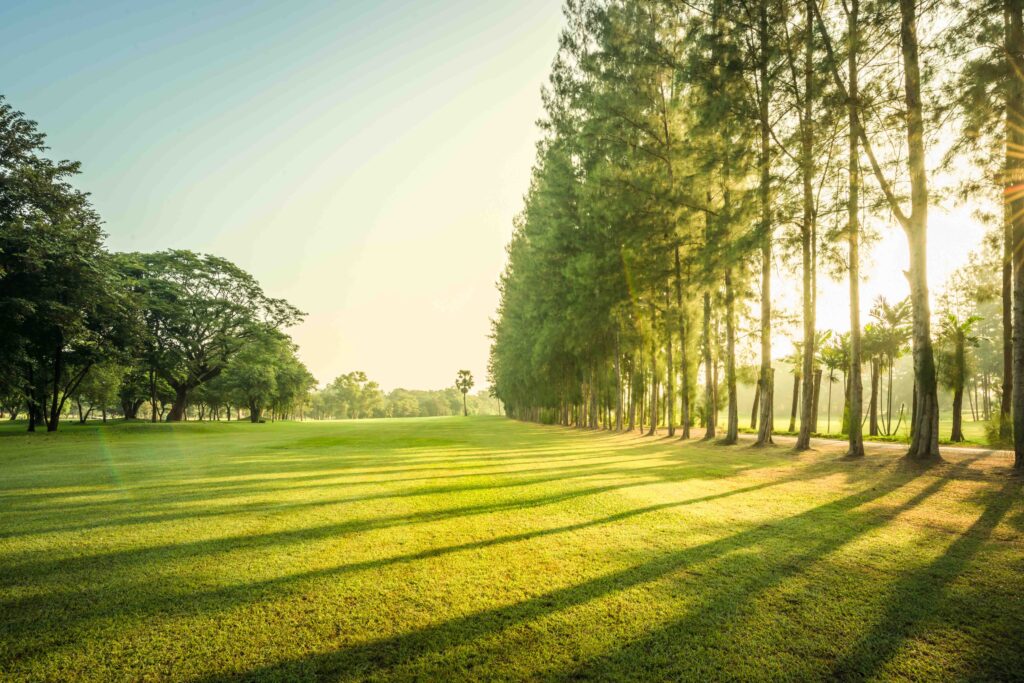
Are golf courses bad for the environment? Experts don’t think so
Greenkeepers effectively adopt this role as they maintain out of play and rough areas around the course. In doing so, they “create a mosaic of habitats, helping encourage strong biodiversity across their course”, says Rixon.
Studies have also shown golf courses are even better than farmlands at supporting tree species and bird diversity.
Advertisement
With nature conservation bodies looking to establish wildlife corridors that improve the ability of species to move between good habitats, golf courses have been recognised as having an important part to play.
There are many examples of courses helping safeguard rare species, as well as reintroduce those in decline.
A survey of 94 UK golf clubs revealed that 90 per cent of course managers believed golf courses were important to wildlife, with more than 60 per cent wanting to do more to promote it on their layouts.
With more than four million people a year identifying as golfers in Europe, STRI Group said the influence clubs have on members is massive and that education can show how they “can have a positive impact on the environment in their own back gardens”.
Rixon said: “Expert education can help greenkeepers fully understand the environment they manage so they can confidently make decisions on preservation for certain areas.
“For example, tidying up a pond may seem like good practice, however this can ruin a natural ecosystem.
“Strong communication with club members can bring understanding as to why certain measures have been carried out on the course and all the benefits this will have on the environment.”
- This article appears in Your Course, the twice-yearly publication from the British and International Golf Greenkeepers Association. Your Course invites golfers to gain a deeper appreciation of what preparing and maintaining a golf course really involves. Head to www.bigga.org.uk to find out more.
Now have your say
What do you think? Does golf deserve its reputation with environmentalists? Are golf courses bad for the environment, or should there be more recognition for how the sport helps biodiversity? Let us know with a comment on X.