

“They’re all the same!”. “There’s no difference between any of them!”. “It’s all a myth!”
Actually, no it’s not.
No two golf balls on the planet are identical to one another, and that’s a fact.
Now’s the time to figure out which golf balls we recommend for players of all different abilities, whether that be if you’re looking for more distance, increased spin or maximum flight.
So which ball will suit your game as the golf season unravels? Read on to find out.
What’s occuring?
As with all technology, over time golf balls have been through different stages of development, from wooden golf balls in the early 1400s to feathery golf balls throughout the 1600s.
In a nutshell, the modern day golf ball is typically constructed with a butadiene rubber centre surrounded by one or more rubber mantles and topped off with a dimple pattern urethane cover, which can also sometimes be made from surlyn.
Altogether, there are four different types of golf balls:
Two-piece golf balls
These are ideal for beginners and high handicap golfers with slower swing speeds. They spin less but fly straighter.
Examples include: Bridgestone e6, Callaway Warbird, Titleist TruFeel and Srixon AD333.
Three-piece golf balls
The third layer in a three-piece ball is the layer that sits between the core and the cover and provides added performance for the golfer. Unlike two-piece balls, these provide far more feel and spin around the green yet still have the distance of a hard-two piece ball.
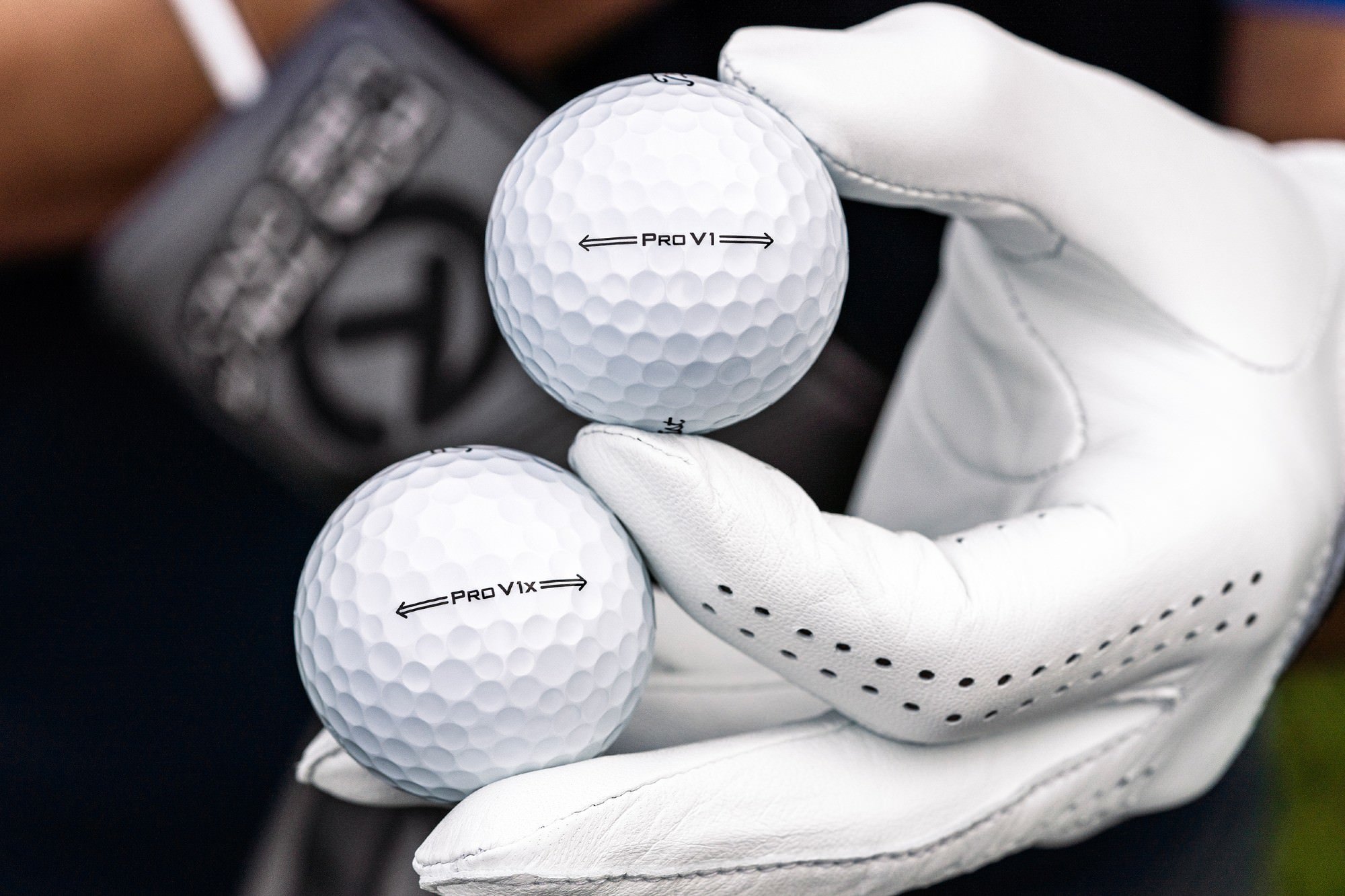
Examples include: Titleist Pro V1, Bridgestone Tour B, Srixon Z-Star and Wilson Staff Model.
4+-piece/Multilayered Golf Balls
These feature a thin outer layer that is typically made of urethane. This soft material provides ample short-game spin by allowing the clubface to “grab” the ball, while the intermediate layer(s) between the core and exterior allow more spin and control on well-struck iron shots.
Examples include: TaylorMade TP5, Titleist Pro V1x, Vice Pro Plus and Callaway Chrome Soft X.
Advertisement
What should I be playing with, then?
But enough about the nitty gritty details; you’re here to find out which golf ball best suits your game, aren’t you?
Below you’ll find the recommended balls for a variety of different ability golfers.
Just find the section you fit into and get that bag kitted out the best it can be!
Recommended golf balls for players with slower swing speeds
Titleist TruFeel Golf Balls
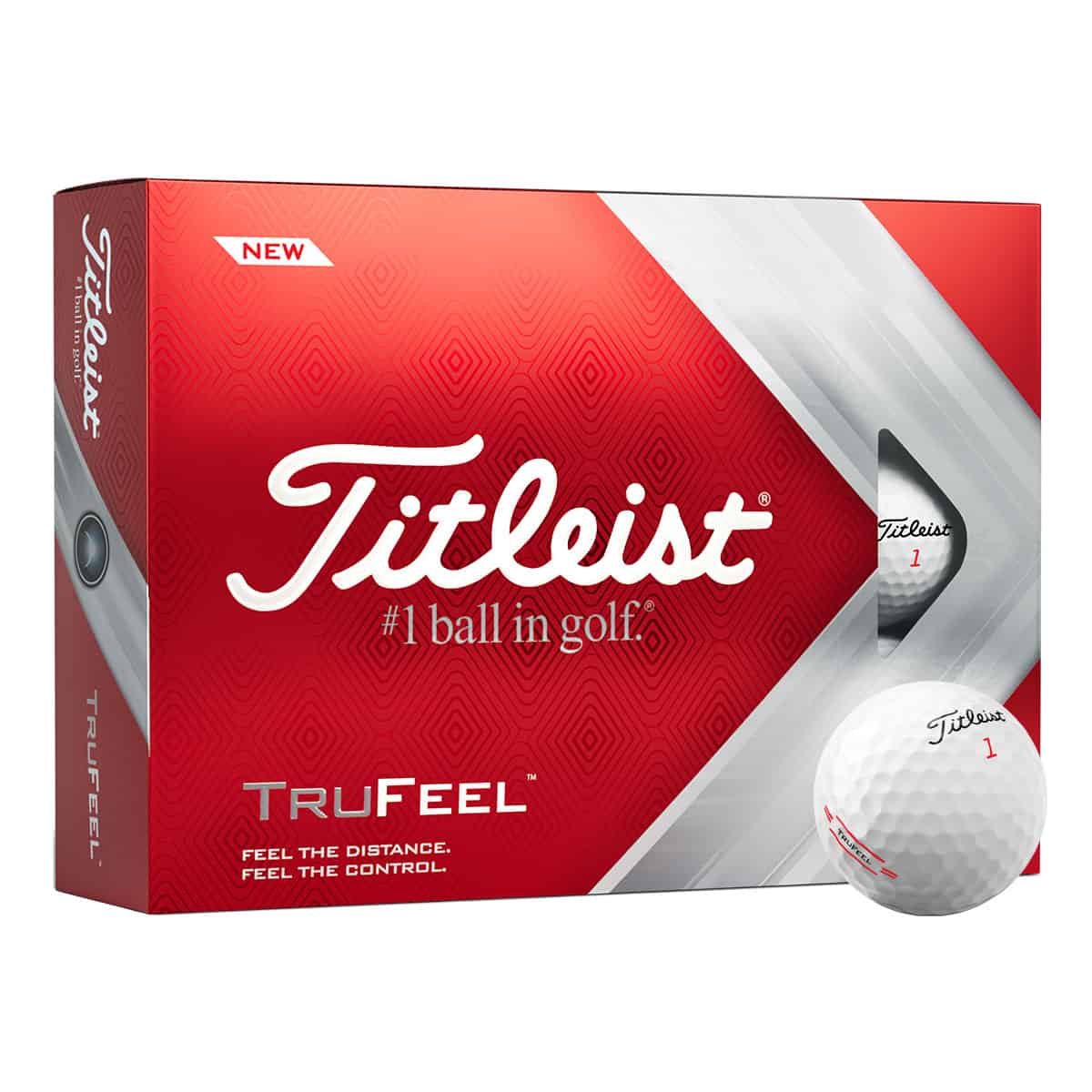
The Trufeels are the perfect option for golfers with medium swing speeds. They’re very hard balls, so they offer superb distance off the tee and produce that high ball flight that high handicappers are always searching for.
RRP: £22.99
+ Minimal spin on driver shots for straight drives
+ Tour-level distance performance makes for one of the best golf balls for distance
+ Nice decal on the side for lining up your shots
Srixon Soft Feel
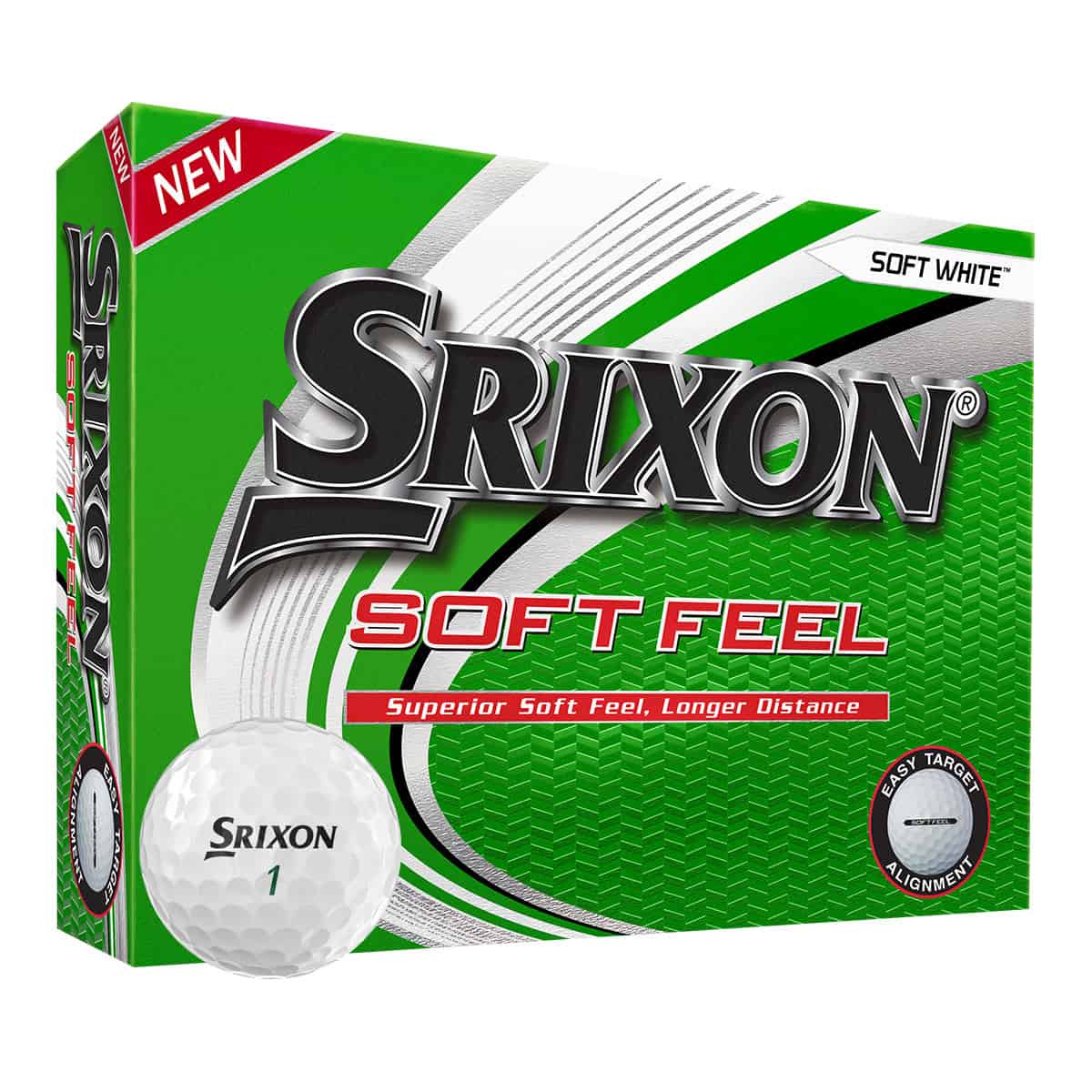
The new Srixon soft feel offers a fantastic soft feel as the name suggests and gives you more overall distance performance. The Soft Feel has remained an anchor in Srixon’s ball collection. As a two-piece golf ball it’s made for distance and durability. Expect long drives and iron shots that roll out with a soft feel on the club face.
RRP: £19.99
+ Softer feeling off the putter face than most distance balls
+ Long distance with a low compression and moderate feel around greens
+ One of the best golf balls for the price
Bridgestone E6
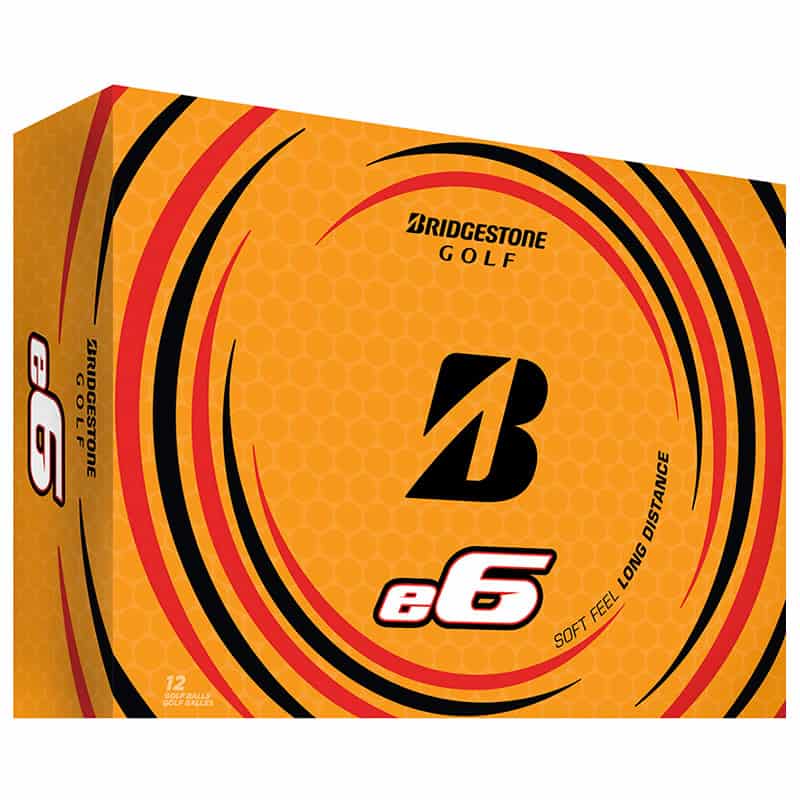
A very popular option by double digit handicapper, the reformulated e6 is designed for golfers with moderate swing speeds seeking maximum distance on all shots. The Bridgestone E6 gets you in the fairway easier and boosts long and mid iron performance to get you closer to the green more often.
RRP: £22.99
+ Longer distance from less side spin and more rollout
+ Specifically designed to significantly reduce slices and hooks
+ Straight shooting golf ball to hit more fairways and greens
Recommended golf balls for better players
Titleist Tour Speed
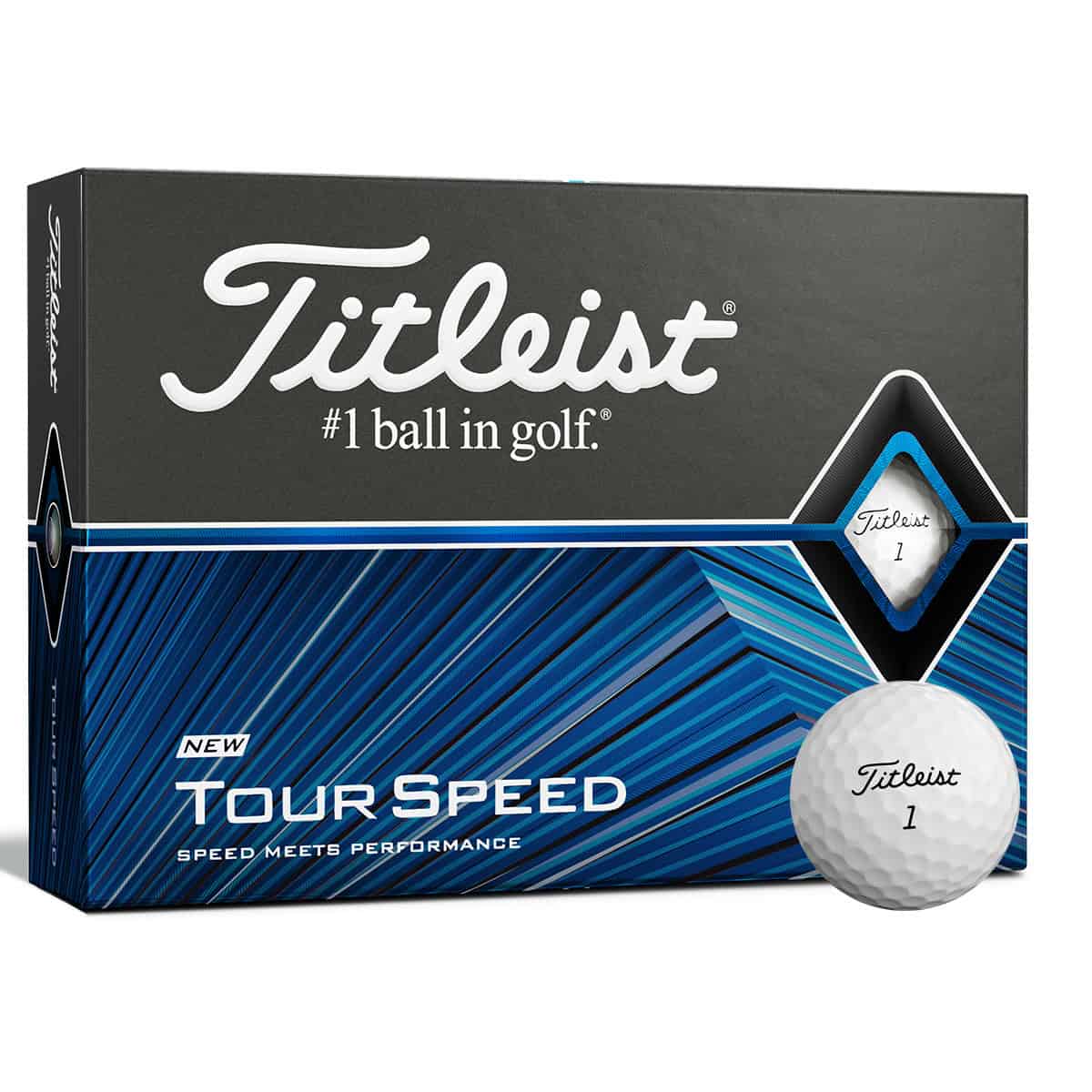
Mid handicappers come with all different swing speeds. Those that are lucky enough to have the swing speed need to find a golf ball that helps you capitalize on it. The Titleist Tour Speed gives high swing speed players the distance and spin performance they need.
RRP: £34.99
+ Offers exceptional launch and very high ball speed levels
+ Holds up well over time
Bridgestone Tour B RX 12 Ball Pack
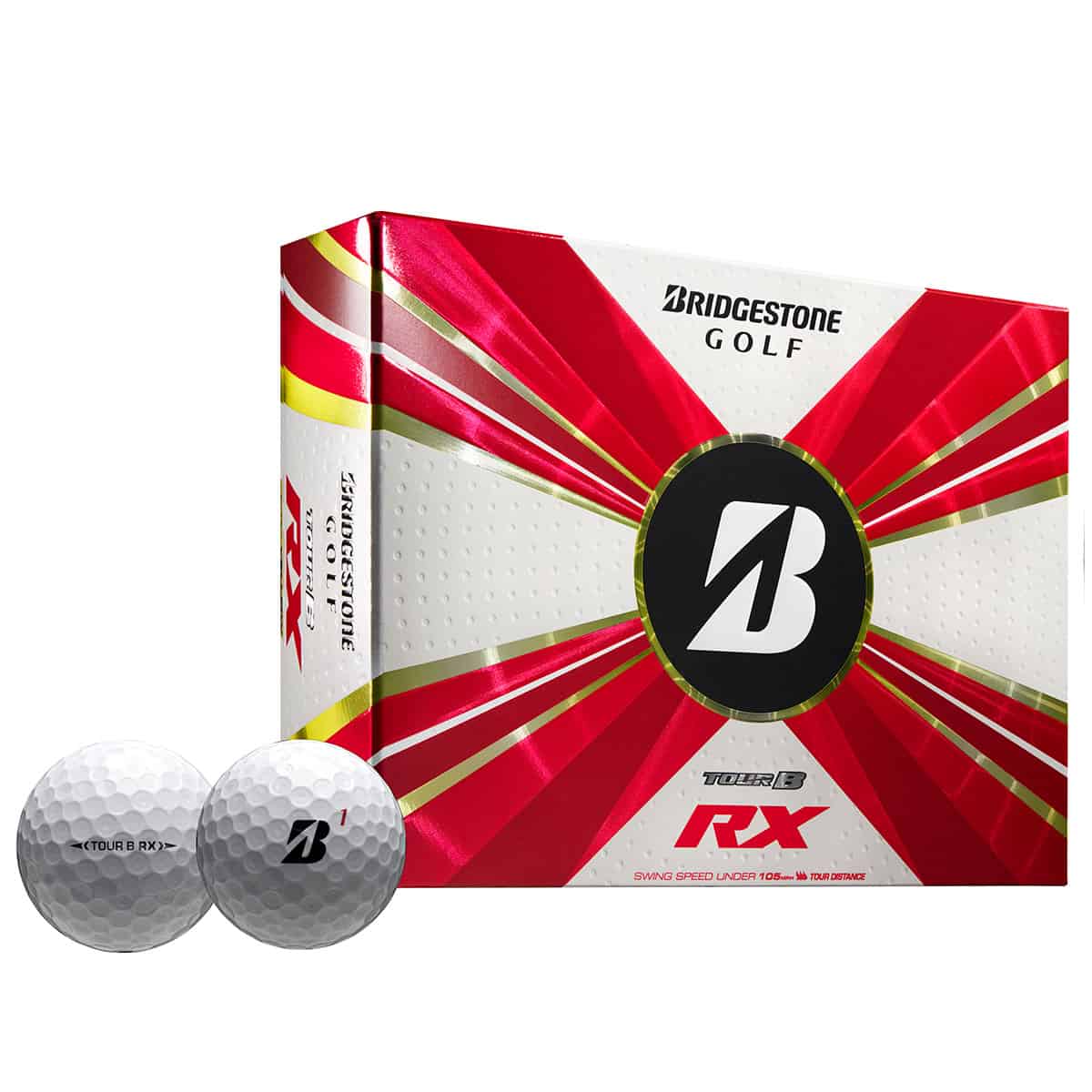
For a mid handicap golfer, these balls are a top choice. When it comes to distance, the Tour B RX is one of the best on the market, and with added greenside spin & control around the greens you’ve got everything you need in on golf ball.
RRP: £37.99
+ High flight in iron shots
+ One of the best golf balls for spin
+ Impressive bite on well-struck chips and pitches
Vice Pro Plus
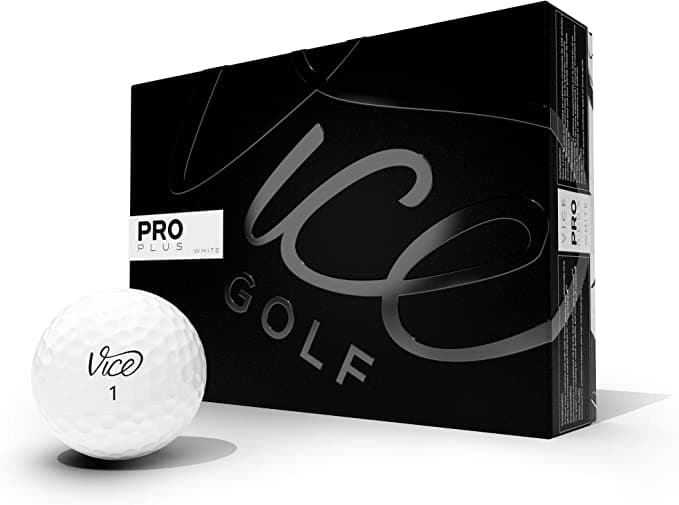
Low swing speed golfers often need a little extra help when it comes to both distance and spin. The Vice Pro Plus is an excellent alternative to something like the Titleist Pro V1x, requiring slightly higher swing speeds to capitalize on the performance.
RRP: £41.28
+ Long and stable ball flight in the long game
+ Impressive durability
+ Soft feel around the greens
Recommended golf balls for elite players
Titleist Pro V1
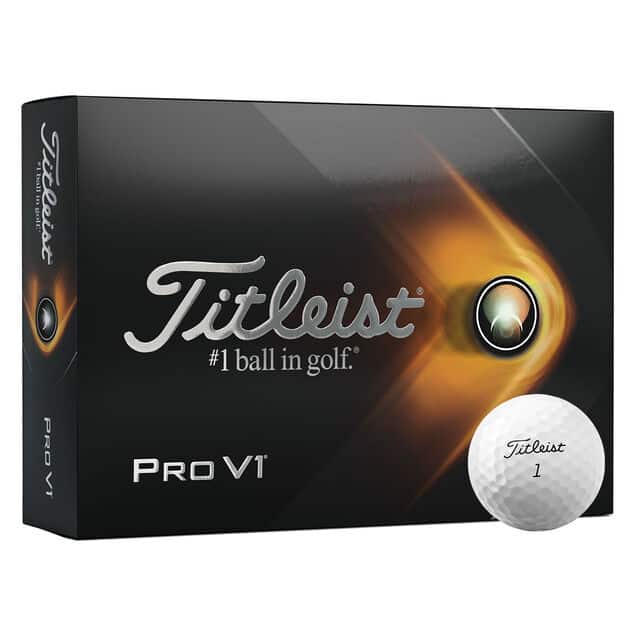
The all-time classic. The V1s are the most premium balls from Titleist also have had a lot of thought put into them. They are designed to have a very soft feel to them, although you can reduce that a little with the V1x if you want less. A ball that will definitely improve your game no end.
RRP: £44.99
Advertisement
+ Consistent flight with their 352 tetrahedral dimple design
+ More distance through lower spin, fast shots
+ Overall soft feel
TaylorMade TP5
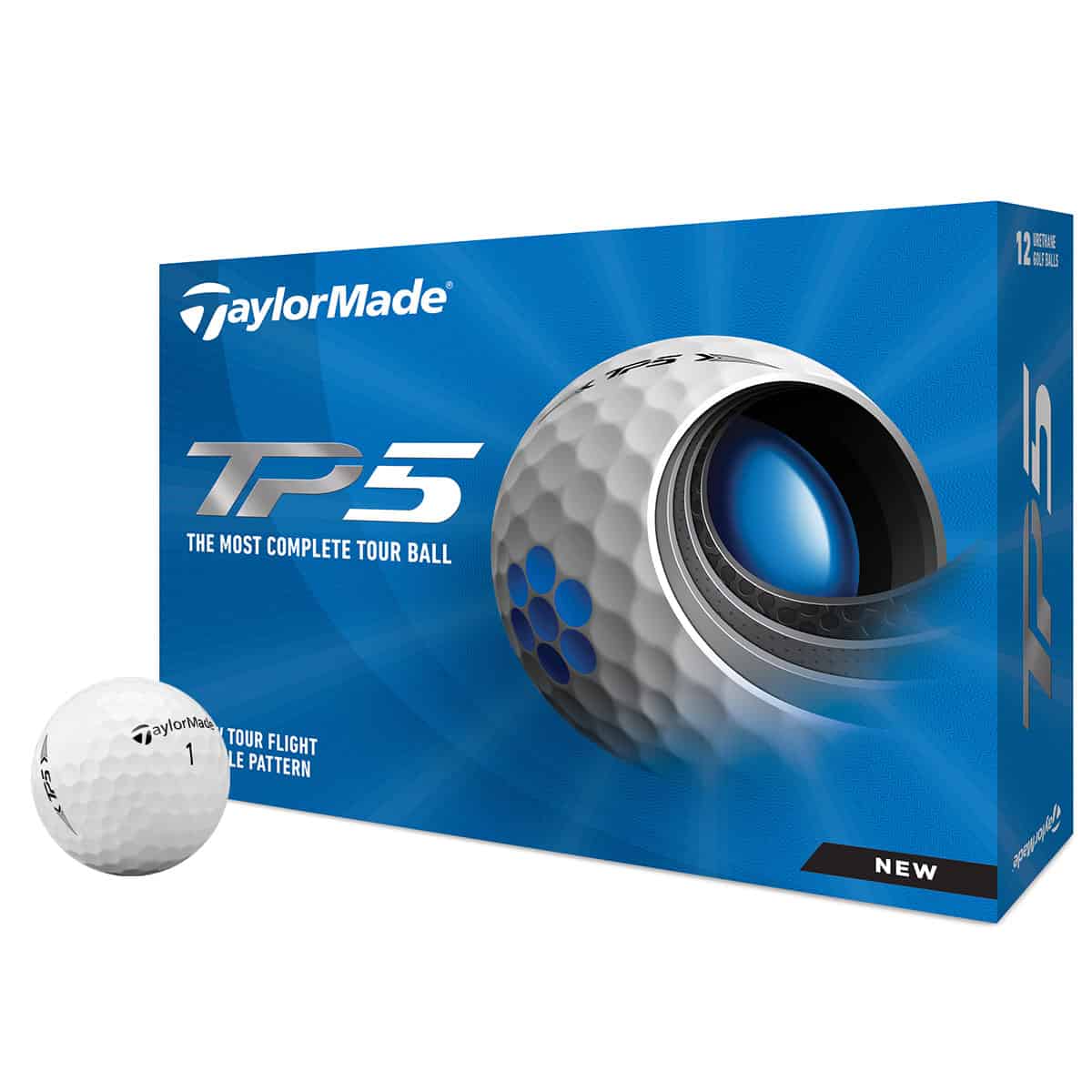
Taylormade have put a lot of work into this ball with five unique layers designed to give very specific benefits to your game. From the tri-cast core giving lower compression, to the HFMA material that provides more speed and bounce, this will give you that extra performance on the course.
RRP: £41.99
+ Extremely fast ball
+ Easy to see in low light
+ Graphics give spin feedback
Wilson Duo Professional
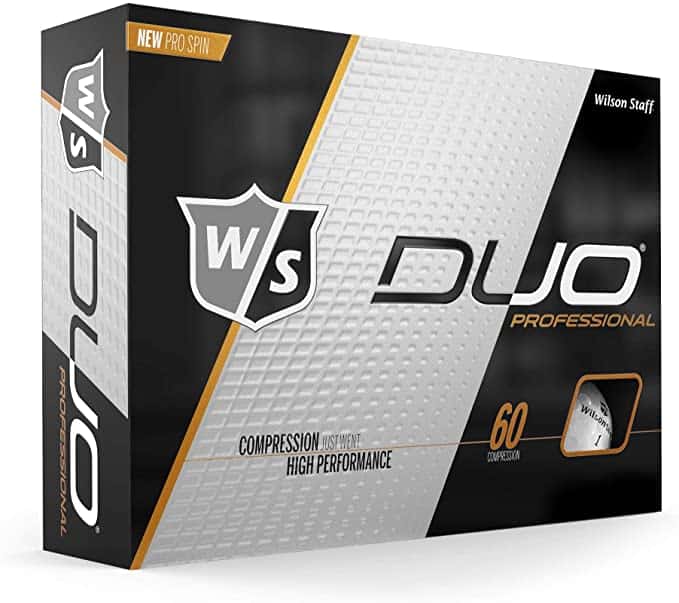
It’s hard to find a urethane ball at this price point and the major trade off is in the distance category. This ball won’t fly as far as some of the premium options which is a consideration. However, when you handle the Duo Professional ball, you notice the texture of the cover and the ‘bite test’ lets you know that it’s not a cheap ball. Feel off the club face is smooth and off wedges feels soft.
RRP: £28.95
+ Long and penetrating ball flight
+ Cheapest “premium” ball around
Subscribe to NCG
Advertisement