



Manipulation is the World Handicap System complaint that never seems to go away.
It doesn’t matter whether it’s just an urban myth, or whether club committees are constantly on patrol looking for players fiddling their general play scores, whenever a WHS story appears so does the ‘cheating’ chatter.
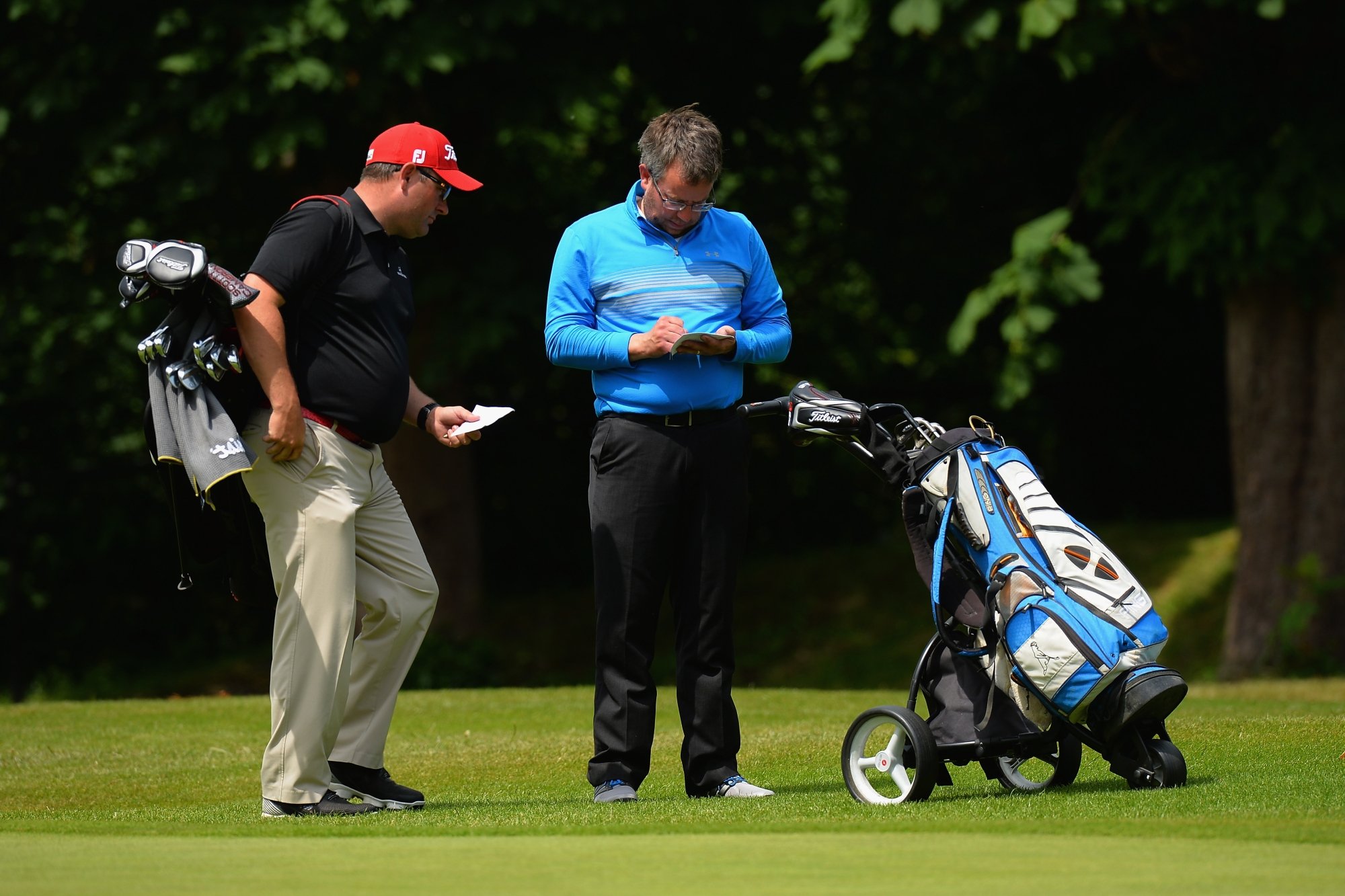
But when we think about what it takes to do that, and the lengths players might go to, we tend to neglect a really important factor: the marker.
Yes, it takes two to tango. For a golfer to put in a score that would send handicap chiefs into a rage, someone else must be a willing party – both to agree to mark it, and then to certify it.
It’s right there, written in Rule 3.3b in the Rules of Golf and Rule 4.4 in the Rules of Handicapping. When, though, does the golf scorecard marker ever come up in conversation when people complain about golfers bending the rules? Hardly ever.
It’s something England Golf have been looking to educate clubs about as they have undertaken their workshops across the country. If you’ve got doubts, don’t just focus on the player.
Talk to their attester too, as a score MUST be witnessed and, under ‘Appendix A (Rights and Responsibilities)’ of the Rules of Handicapping, golfers must act with integrity and certify scores of fellow players.

Golf scorecard marker: ‘Have you thought about having a chat with the marker?’
One thing England Golf handicapping chiefs ask, when committee members are talking about golfers potentially manipulating their handicaps, is whether they’ve thought about having a chat with the marker.
That person has a responsibility to make sure the card submitted through a digital app – or handed in through the traditional fashion – contains the scores the player actually recorded on those holes.
Attesters can reject a score on the MyEG app if they don’t think it has been done appropriately. In the Rules of Handicapping, and in the Rules of Golf, the marker ultimately carries as much responsibility as the player.
Advertisement
While some critics have rounded on the app, arguing it makes it easier for those who want to cheat to do so, the digital record created when a player and an attester pre-register for a round, and certify afterwards, leaves electronic traces which clubs can use as evidence if they need to see whether manipulation has taken place.
A club can tell exactly who has marked the score and where they did it. So if your marker is 100 miles apart from their player – and this has happened – the digital footprint left by both can reveal that.
Handicap committees also shouldn’t underestimate the power they have when they suspect foul play. If they do suspect any wrongdoing, they must act, investigate, and follow their disciplinary procedure.
They can freeze and even withdraw handicaps if they feel that is required and they have the appropriate evidence.
Now have your say
What do you think? Do we neglect the role of the golf scorecard marker, or should the player themselves ultimately take the responsibility? Let me know on X.
Advertisement