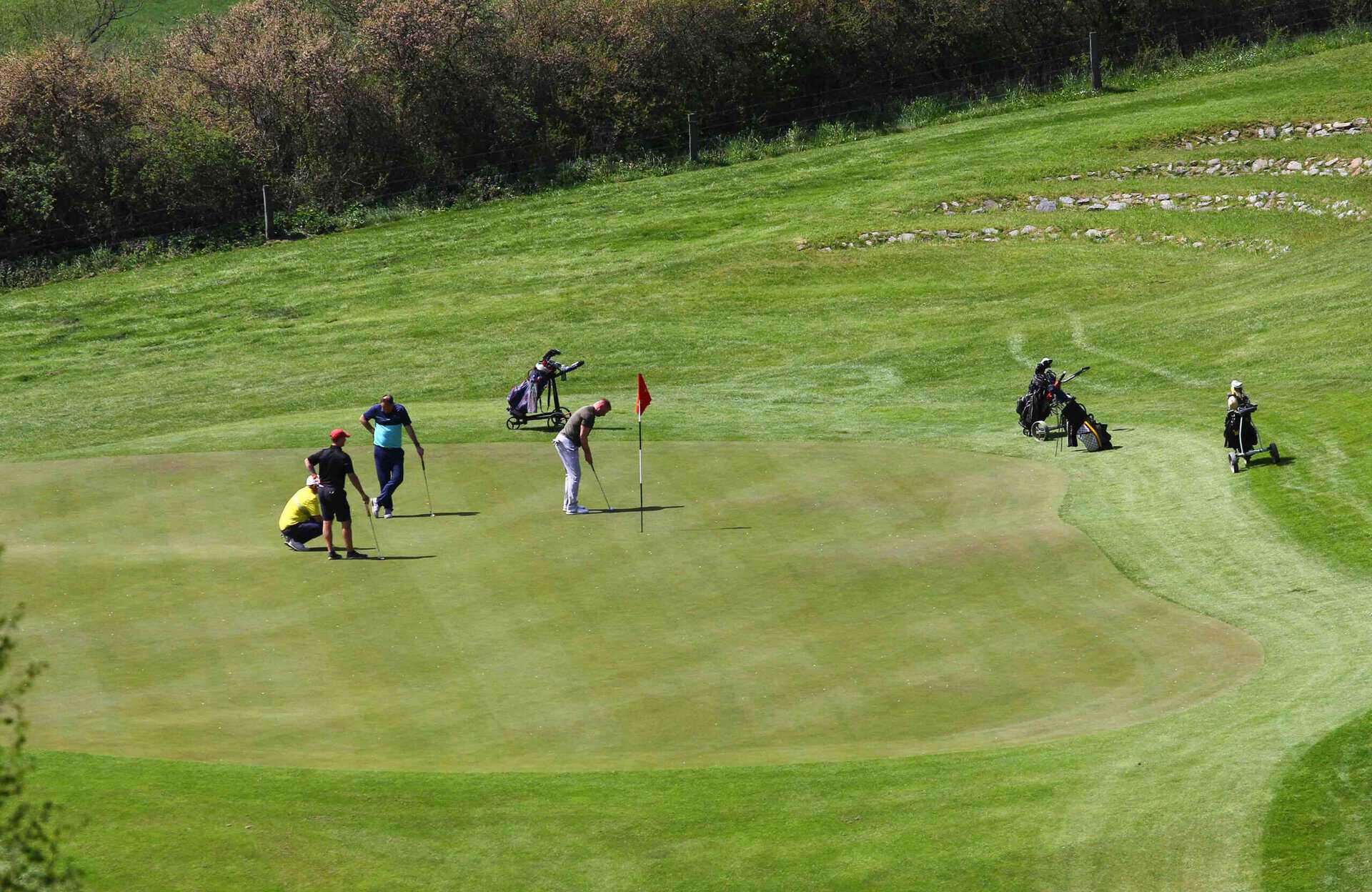



Remember Competition Standard Scratch? We had a love-hate relationship. All right, it was mostly hate.
You’d graft all day, think you’d secured a precious handicap drop, only to often find the CSS ensured those dreams of a cut had again been dashed.
But it is now long gone. When the World Handicap System arrived at the back end of 2020 in Great Britain and Ireland it was replaced by the Playing Conditions Calculation.
What is it? How does it work and is it doing what is should? We’re happy to help you work out the riddle of the PCC…
How does the Playing Conditions Calculation work?
Whenever we play a round under the World Handicap System, we measure ourselves against the Course Rating and Slope Rating of the tees we play. Just as it used to be, though, they are based on normal playing conditions.
As we’re only too well aware, a round of golf – whether that’s because of conditions, the weather or how a course is set-up – can be very different from day to day.
The Playing Conditions Calculation looks at whether “playing conditions on the day differed from normal conditions to the extent that an adjustment is needed to compensate,” the Rules of Handicapping state.
It compares scores put in by players on a given day against “expected scoring patterns”.
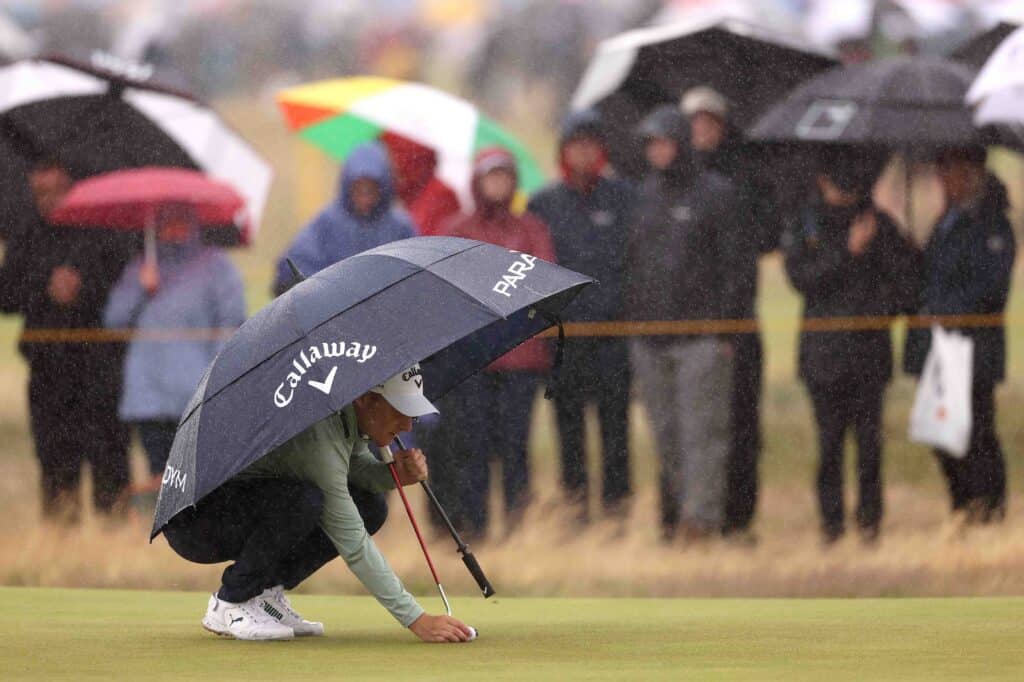
Put simply, an average score submitted during a rainstorm may well be better than a good score returned when it’s warm and sunny.
If you think about that, it makes sense. You may have played an absolute blinder in really tough conditions but because those difficulties affected your score it may not otherwise have appeared as prominently on your handicap record without an adjustment to acknowledge the trials you successfully faced.
So let’s go back to the Rules of Handicapping for a second. They say the calculated adjustment is dependent upon “whether significantly fewer players than anticipated attained their expected score and, consequently, conditions are determined to be harder than normal” or “whether significantly more players than anticipated attained their expected score and, consequently, conditions are determined to be easier than normal”.
Advertisement
The PCC is generally performed once a day – that’s why it’s so important you put your score in on the day you play – and it has a few requirements:
- At least eight acceptable scores need to be submitted each day to determine if an adjustment is needed
- It only includes acceptable scores submitted by players who have a handicap of 36.0 or below
- Where applicable, it does not include scores that are scaled up to 9 or 18-holes
As CSS did, the PCC can adjust between -1 to +3. But here’s where it’s different. Since the PCC measures all scores submitted on the day, whether there’s a competition or not, any adjustment is applied in the calculation of score differentials for ALL players who returned a score.
With all that said, the Playing Conditions Calculation hasn’t had a particularly easy birth. It’s been accused of being inflexible and not being responsive enough to the weather players face.
In 2022, the algorithm that drives the calculation was tweaked with the R&A and USGA saying it would increase the number of times an adjustment was made by an average of 5%.
That hasn’t completely assuaged the criticisms but the more data that comes in, the more the PCC can be monitored to see if it’s doing what’s expected.
Now have your say
What do you think about the Playing Conditions Calculation? Have you noticed it at your club? Could it be more flexible? Let us know by leaving a comment on X.