

Winston Churchill once said, “The farther back you can look, the farther forward you are likely to see.”
Every single golf course laid out by one of the greats, be it Colt, MacKenzie, Braid or Morris, is rightly proud of their architectural provenance.
The reason great names are worth mentioning, even a century later, is self-evident. They created bodies of work that have stood the test of time. Courses that are enjoyed and played to this day.
However, unlike many other art forms, a golf course cannot be fixed in time. But grass will grow, trees will self-seed and changes in golfing culture, technology and expectations will all mean the courses must evolve too.
And like any true fingerprint, those made on Fairhaven of old must be unique. I have not seen anywhere else in Britain that had such a distinct and recognisable course as the one James Braid laid out, with the assistance of Jack Steer, back in 1924.
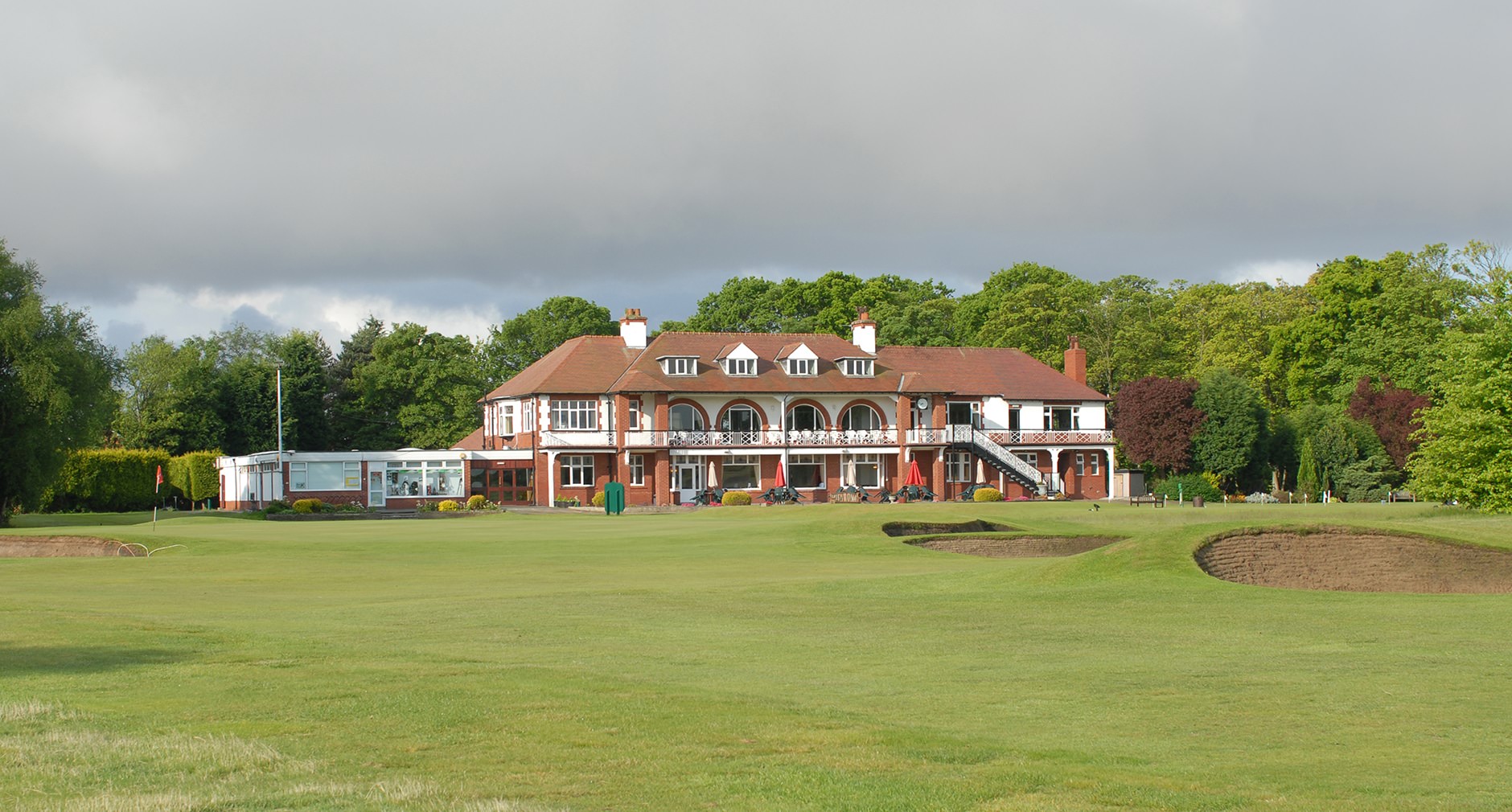
With a blank canvas to work from, Braid and Steer set about their alchemy. The routing takes the Muirfield approach of an outer and inner pair of 9s, the 9th green returning to the clubhouse.
ALSO: Links from the Road excerpt: Why Royal Birkdale is the most-loved English course on the Open rota
ALSO: Links From The Road excerpt: What are the best 18 holes in Lancashire and Cumbria?
Fairhaven Golf Club: An excellent course, with good greens and some interesting holes
To do so, they created some of the most bold and interesting series of ridges and swales along almost every hole.
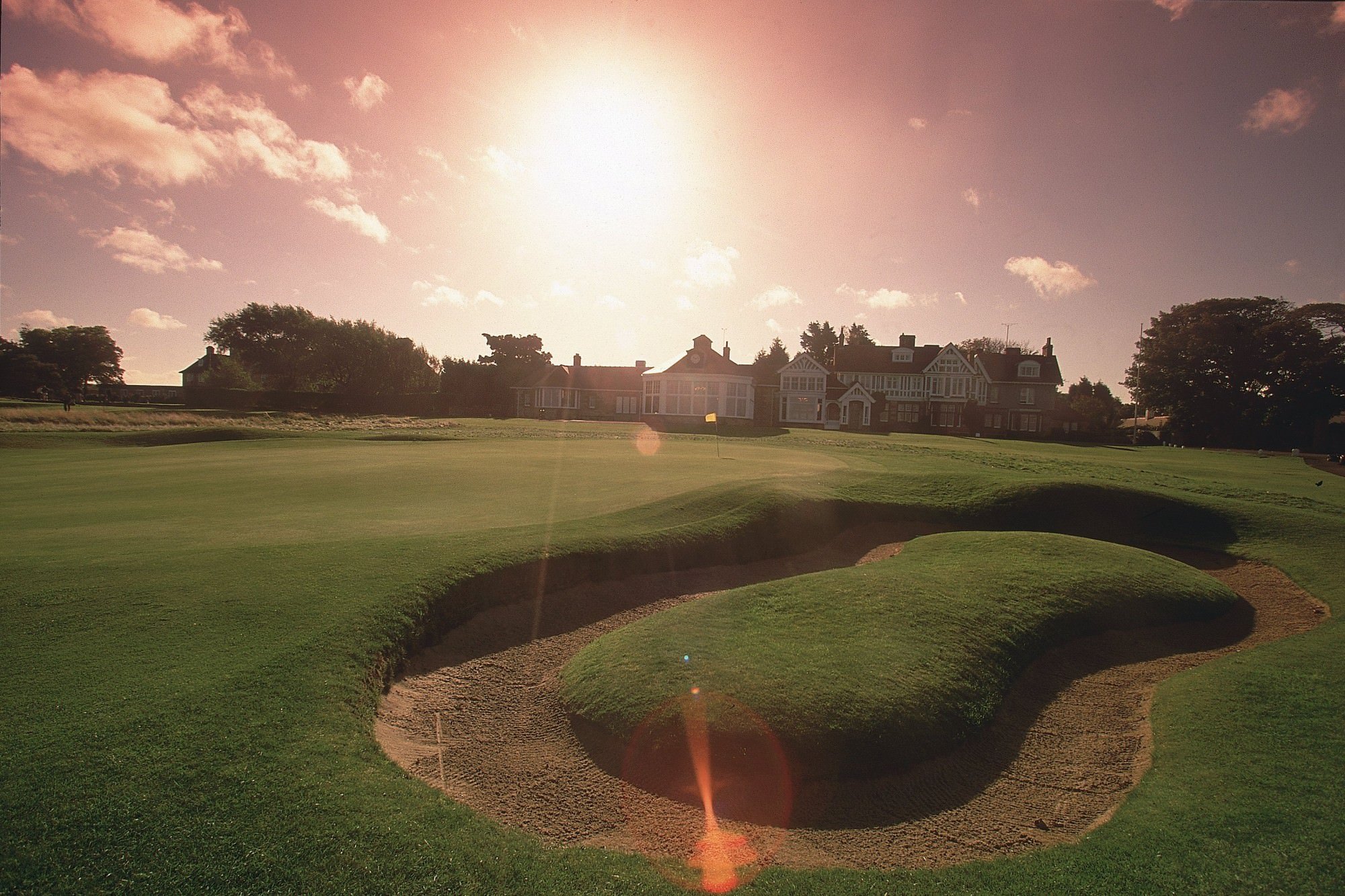
They created a course worthy of the ‘inland links’ title. The fairways were said to be fast and running, built on the sandy, free draining ground. The broken, sand filled ground flanking the fairways must have offered a pastiche of the sand dunes of the true links.
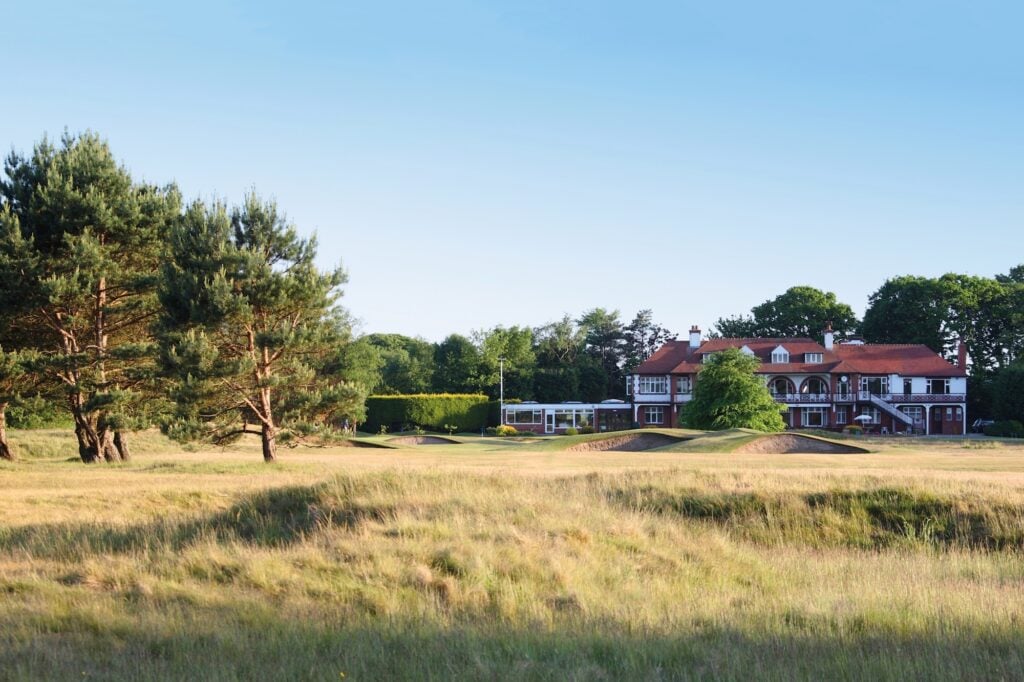
I was therefore particularly excited to explore this bold and distinctive inland links I had admired in the photographs. Unfortunately, little remains.
Advertisement
The routing is still very good, and the course itself is very enjoyable. Fairhaven is a thriving members club, one of the busiest in the region. I have no doubt the course there is exactly as the club’s members wish it to be, but I can’t pretend I wasn’t a little sad to see a normal golf course covering up the unique one it had once been.
There are 118 bunkers across the course, most the product of an overhaul in the 1970s and tinkering thereafter.
The firm turf returns during the hot summer months, I am sure, but is unfortunately absent for the rest of the year. With the trees reducing the airflow, casting shade, and dropping leaf litter each year to add rich nutrients into the ground as they decompose, it is little wonder this facet has long since been lost. I am told the sand is still there, just beneath the surface, but I’m not sure you could tell.
I hope the reader will not misunderstand the above. I understand that courses change, that requirements for them move on. Furthermore, I understand that the maintenance involved in presenting those wide fairways with their sandy extremities might have proved prohibitively expensive for the club. Fairhaven remains an excellent course, with good greens and some interesting holes. But if I was offered a ride in a time machine to play Braid and Steer’s bold creation as it was intended, I would gladly accept.
Subscribe to Links from the Road
This is an excerpt from Volume 1 of Sam Cooper’s Links from the Road journals.
This 18-volume series covers every links course in Great Britain. Volume 1: The Wirral, Liverpool and Southport is available to purchase now from www.linksfromtheroad.com for £17 with subscription offers also available.
NOW READ: Links From The Road: Is Castletown the most spectacular links course in the British Isles?
What do you make of Sam’s assessment of Fairhaven Golf Club? What is your best memory of playing Fairhaven Golf Club? Tell us on X!
Advertisement