



Walking up and down the range in Abu Dhabi I had the pick of pretty much all the young bucks of the European Tour and a couple of enormous-hitting Americans, but my eye kept coming back to the same person: Jose Maria Olazabal.
Golfers are full of quirks and oddities, it’s almost the nature of the sport, but ‘Chema’ has remained one of the most sensational and balanced characters since he turned pro in 1985. I remember running back four holes to watch him hit his opening tee shot at Wentworth the year after he turned pro, desperate to get a sighting of the new Spanish wonder kid, the teenager who had already won the British Boys, Youths and Amateur Championship.
With a tiny-headed Persimmon he rifled one straight down the middle and scurried, at pace, off the 1st tee. Thirty-three years later he’s still smashing it, albeit with a very different-shaped driver, and we sat down to hear about what’s gone on in the intervening years…
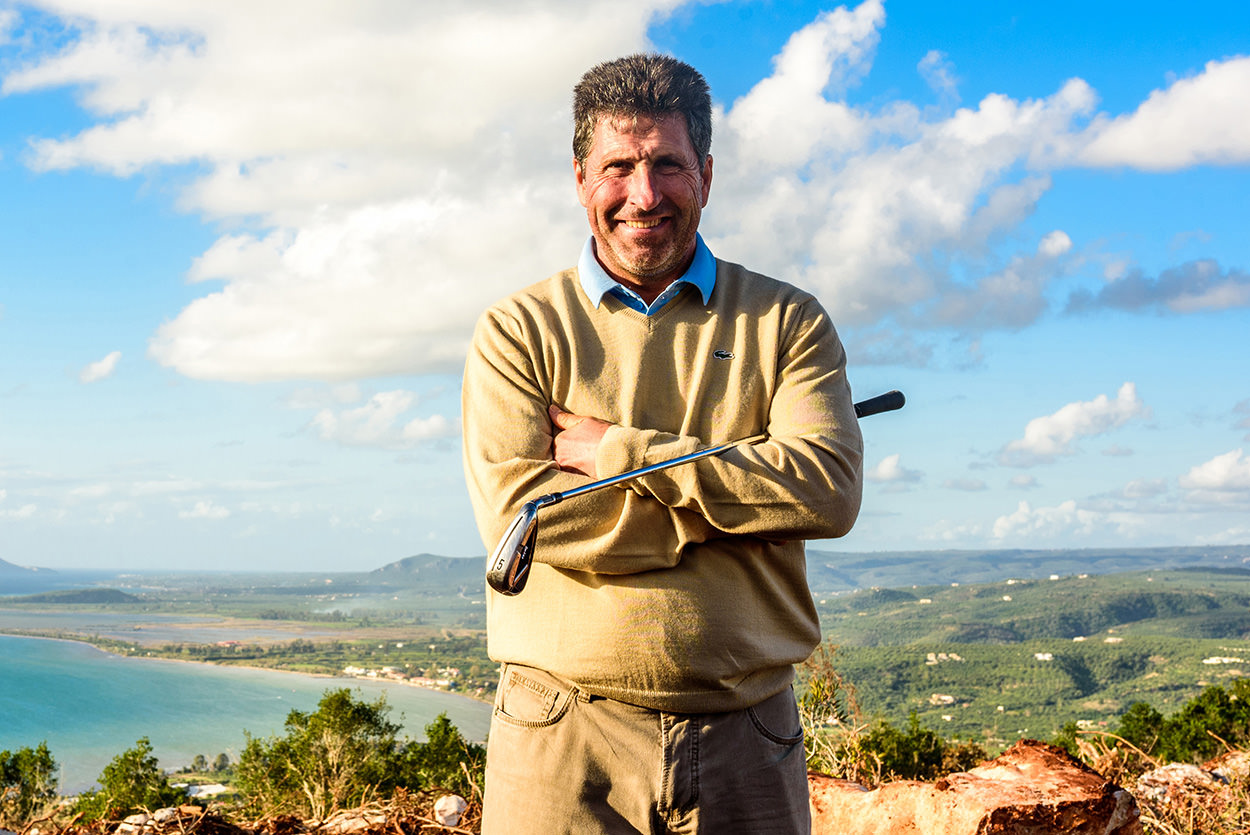
Getting into golf
“I wasn’t introduced to the game by anybody. My family lived and worked on a farm before I was born, until the landlord sold the land to build a golf course. Thankfully there was an agreement that every family who had worked on the land would get a job at the course and be able to play when it was built.
“My mum placed the flag in the first nine holes to commemorate the course opening one day and I was born the following day. I lived in the middle of the course and between Monday and Friday it was empty, as only businessmen played in Spain at this time, so my father would find balls for me during his shifts as a greenkeeper and someone gave him a putter for me to use – those were my first steps in the game! There was a green right next to my house and that’s where I’d spend most of my time.”
Advertisement
Turning pro
“When I was about 17 or 18 my family didn’t see any big future in the game so they didn’t put any pressure on me. I started to play tournaments all over Europe with the national team and I did alright and I managed to win quite a few events, including all the British titles!
“When I was 18 I told my mother and my father that I would love to give professional golf a shot. My mum was a little reluctant to be honest but she said if that’s what I wanted to do that was OK but first of all I had to finish my basic studies. Do that and then I could turn professional.
“And that’s what happened, I turned professional in 1985 when I was 19 and I went to Q School at La Manga where I managed to win and get membership on the tour.”
The early days
“I was so focused on a weekly basis that I never thought, “Wow, this is easy!” I was just trying to do the best I could and see where it took me.
“The first year I managed to win a couple of events on the European Tour and that gave me a lot of confidence to keep on doing what I was doing. But then the following year I had a little slump, I didn’t play well and it came from having never having seen my swing before on tape so when I saw it I was a little disappointed.
“I saw players around me who looked really natural and made it look easy and so I’d always assumed mine looked that way! After that, I tried to change a few things and so on and it took me a while to settle down again.”
The conclusion to the 1999 Ryder Cup
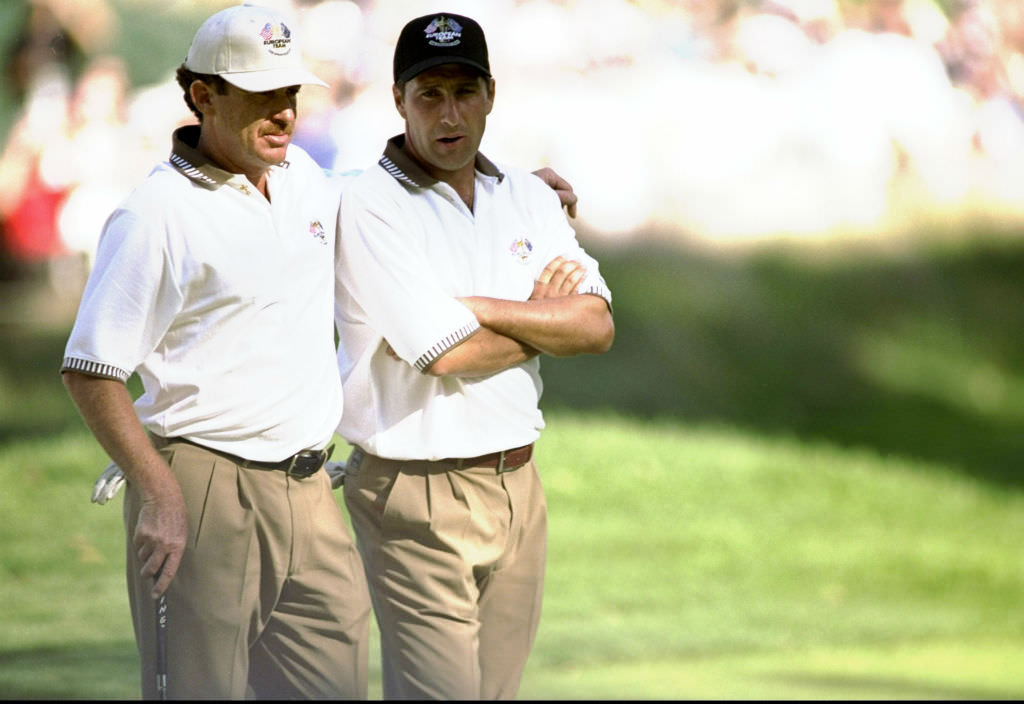
“We were leading by four and obviously we ended up losing – it was tough. I remember when everything was over, I walked into the locker room and I could sense the atmosphere immediately, we were all so down. I remember just punching the locker and starting to cry. Seve was next to me and even he was struggling!
“Of the 12 men in that room almost everyone crying, and you won’t see that in any other event in golf. But those moments show how hard it is to win and give you more incentive to enjoy those wins.”
Winning a Ryder Cup on American soil
“It’s always going to be a tough task. It doesn’t matter how well you prepare yourself or your team, or how comfortable you make them feel. At the end of the day, you cannot control the outcome. My team was a very solid group and together we were a great team but we struggled all the way until Sunday.
“That’s maybe the most valuable lesson I learned – you sometimes have to take a step back and know that even if you prepare everything really well, there’s always going to be setbacks.
“The line to success is never a straight one, you’re always going to have some ups and downs and you have to be prepared for those tough moments.”
European Tour vs PGA Tour
“I think we have a tough task, there’s no question that the PGA Tour is very strong with massive prize money on offer. They have wonderful weather and wonderful courses and in Europe we find it hard to compete against that sometimes. Having said that, we have our own characteristics. Whoever comes to play on the European Tour will become a better player.
Advertisement
“We play under different conditions almost every week, different types of grasses and that makes a player more complete. A number of players have developed here on the European Tour and that made them better players and that gave them the chance or the choice to go to the PGA Tour and perform well over there.
“I don’t think we have to compare ourselves to the PGA tour, it would be great to have all the guys over here all the time but that’s not feasible. We might have them for a certain period of time in the year and I think we can be happy with that.”
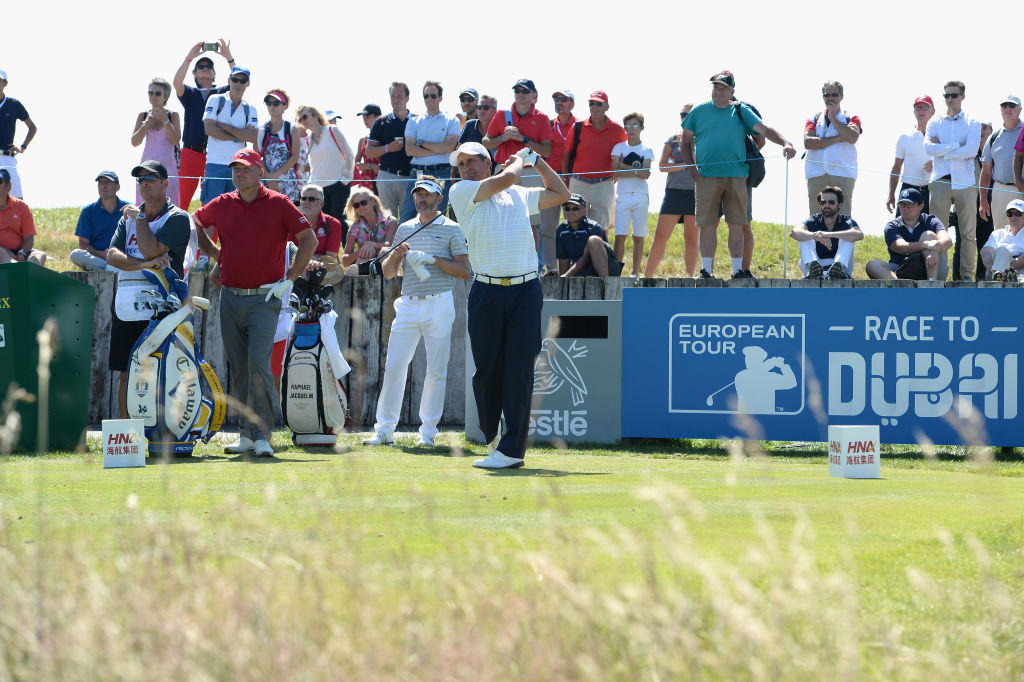
Interview continues on the next page where Jose Maria talks about the modern ball and his thoughts on course design…
The future of the game
I think the health of the game is wonderful. Some people say we are losing memberships throughout the world but on the other hand the attention that golf is getting is only growing. Twenty years ago or so, when you talk to a kid who was 12 or 13 it would be very rare to hear that he wanted to play professional golf. But now they have all these idols to look up to who they want to emulate.
The modern golf ball
“We may have to do something about it. But it’s not all down to equipment, the way the players prepare themselves is amazing now – they’re all athletes.
“On top of this courses are more manicured so they’re more likely to get extra bounces and roll to increase distance. It obviously looks like the players are hitting the ball miles now, it’s true they hit it long, but I’m pretty sure that if you give them a wooden club, let’s say 40 years ago today, they will still be hitting it farther than those guys.
Advertisement
“So, the debate is there, which is great, but at the end of the day, I think we have to find a balance. Though if I had to say, I’d say it has more to do with the balls than the clubs.”
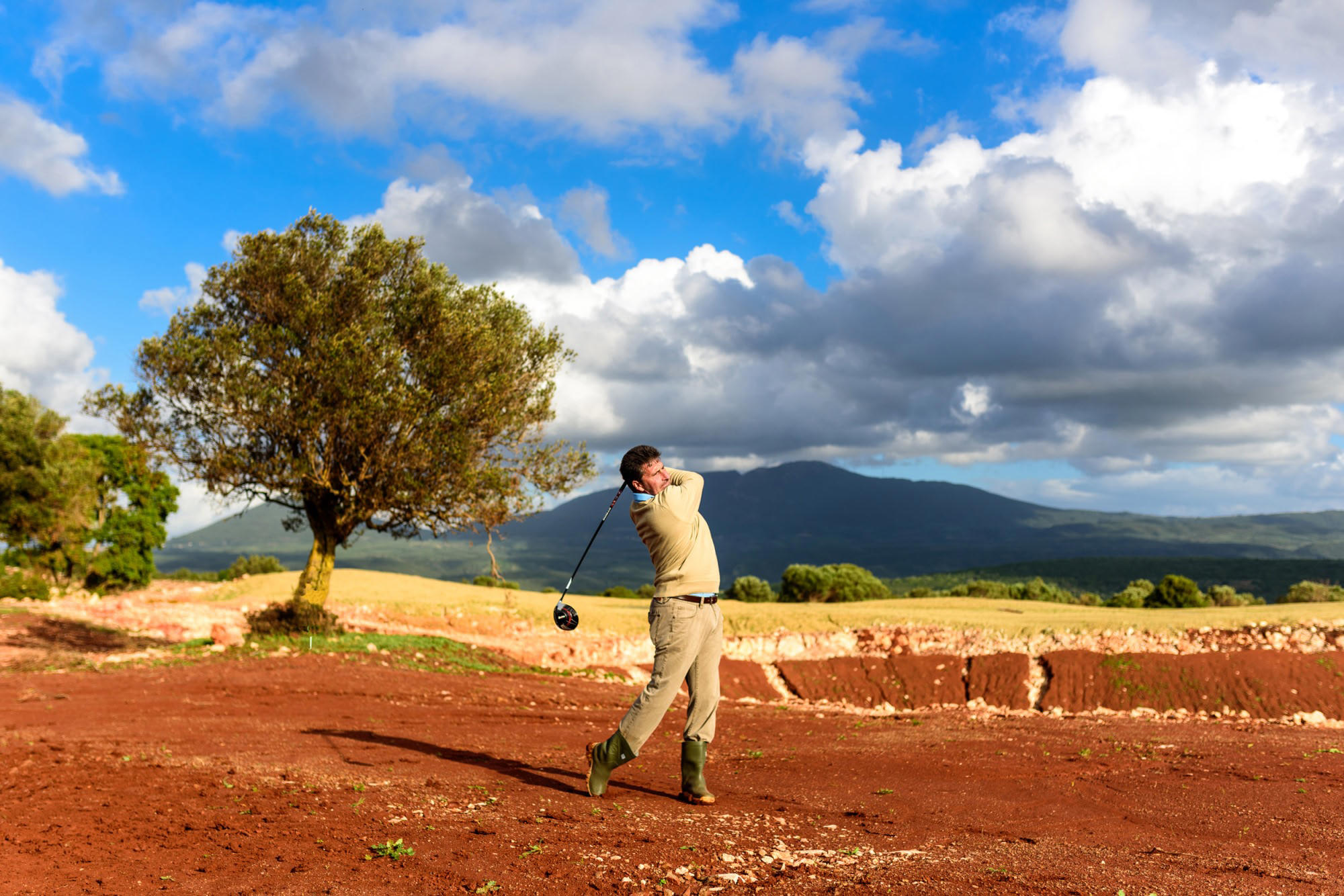
Golf course design
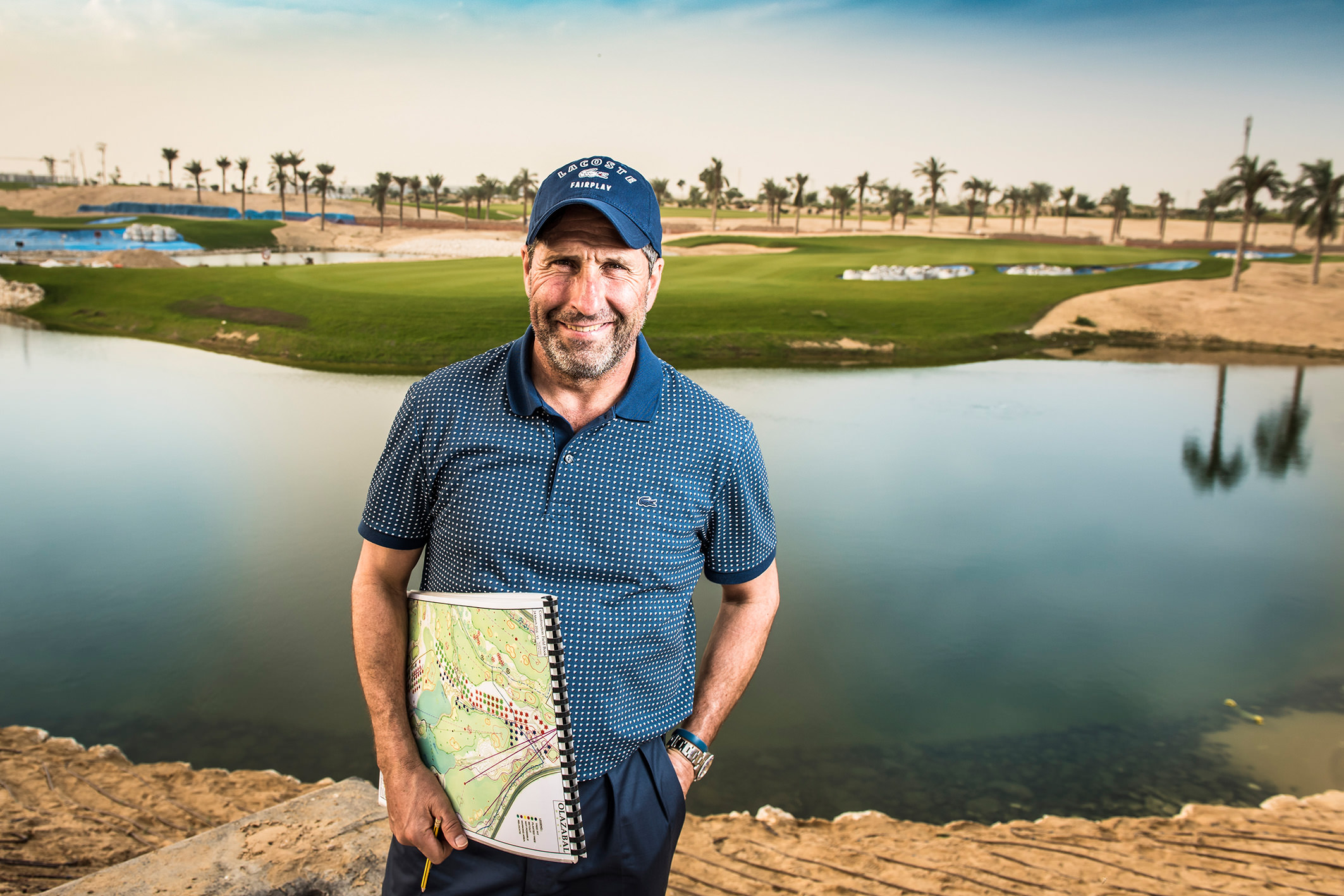
“First of all you have to think about a regular player who would come and play at the weekend – so you cannot always build a golf course that is 7,500 yards long. You have to design a course where everybody can have fun but at the same time create enough of a challenge for each type of player.
“Having said that, and I’m not sure if it’s a good or a bad thing, we now have the issue that if we want hold events we must build very long tees to challenge the world’s best – so that becomes a consideration.
“When I start out building a course, firstly, I try to use the elements that the land provides. At the same time, however, you have to consider every type of golfer and from there you either soften or intensify the natural features so, first and foremost, the weekend players can play it with minimal struggle. From there you can add in tricky templates and features to test the best and add character.”
My design inspirations
“Whenever you play a course and there are certain elements of that course that you like or you think that they made a great use of the land that sticks in your mind and, if the opportunity comes, you might use those elements in your designs. To be honest, I believe that everything has already been invented in architecture, it’s just how you adapt those elements to your design for the most effective course.
Advertisement
“I store my notes in my memories and pass pictures along to my team and discuss where would be a good spot to employ a feature like that. It may depend on terrain, type of grass, climate etc, it all has to come into account.
“I don’t like huge greens and I like them well protected if possible. I like using run-off areas but without any deep rough – this leaves you the option of a number of clubs in your bag and really engages creativity. You can either hit a lob wedge or putt it and I like giving golfers those tricky decisions.”
Setting the challenge
“You can actually challenge golfers to have a more diverse short game but at the same time create areas where a weekend golfer doesn’t have to hit a perfect flop shot in the air with spin to recover. Ideally you would give that player the chance to take a putter from 15 yards away from the flag and they can get it close and move on.
“Where a top player may feel they have the best chance to get it close by pitching – it’s all about creating a viable option for everyone but still giving skilled players a chance to express themselves in as many ways as possible.”
From the Alps Tour to the heights of Augusta National

The inside story of how Europe regained the Ryder Cup
Jose Maria Olazabal was speaking to NCG following the announcement of two new Olazabal Design courses to be created at Costa Navarino in Greece