


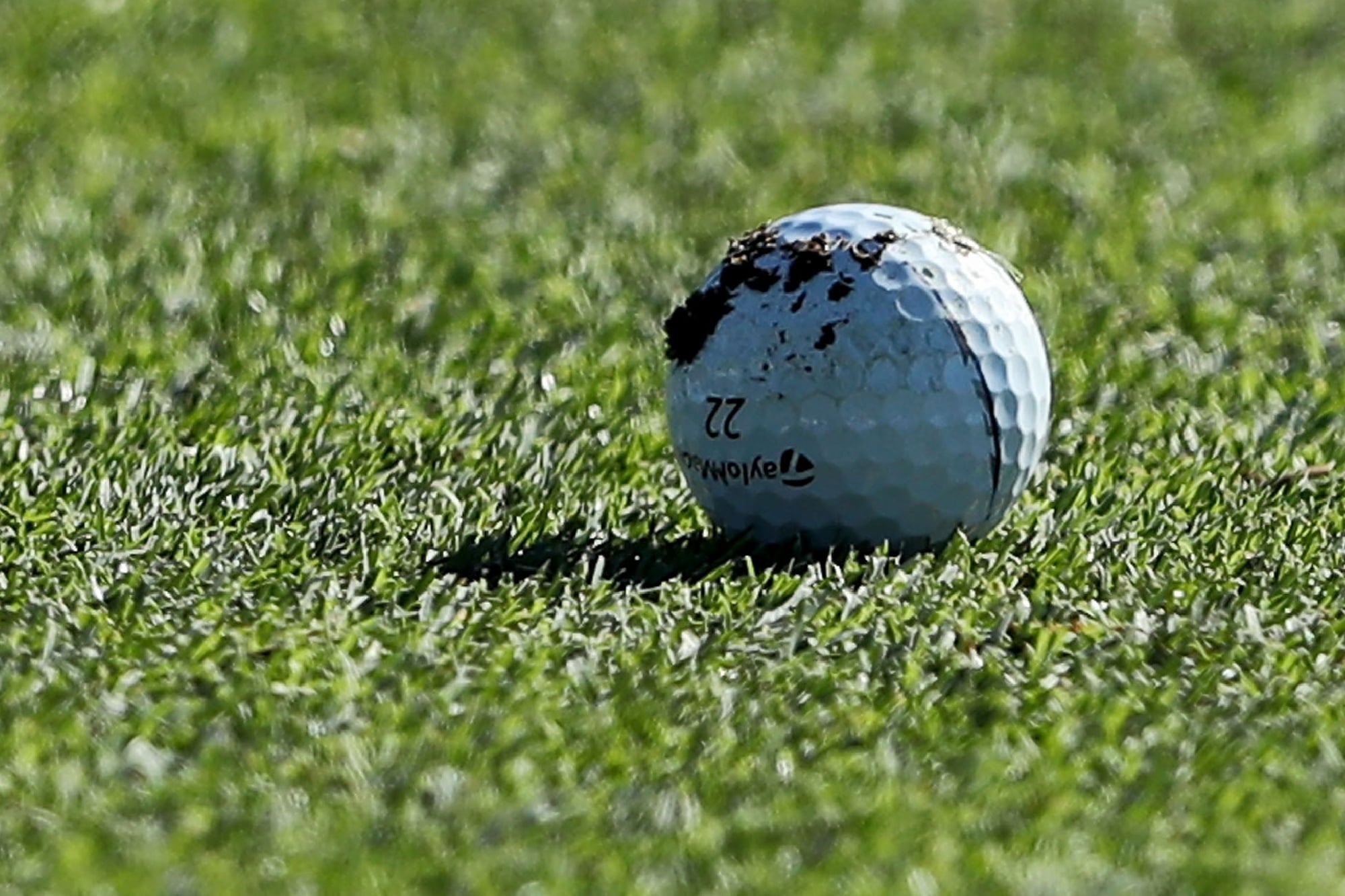
Prepare for your minds to be blown. Whenever I do a rules night at a golf club I like to throw this one at the audience because it never fails to elicit gasps.
Some refuse to believe it. People have argued with me vociferously about it. But it’s there – in large print – in the rule book. So don’t send me emails about this one.
Our situation is about preferred lies and here’s the question. Can you change your ball when taking preferred lies relief?
Sound counter intuitive doesn’t it, and Rule 6.3 says you normally have to hole out with the same ball you used from the tee. But are there exceptions?
Just think about it. The endless possibilities if you could switch balls using preferred lies. Would you use a harder ball from the tee, and then swap to one that spins more after you’ve lifted to take preferred lies relief?
The rules surely wouldn’t allow that. Would they?
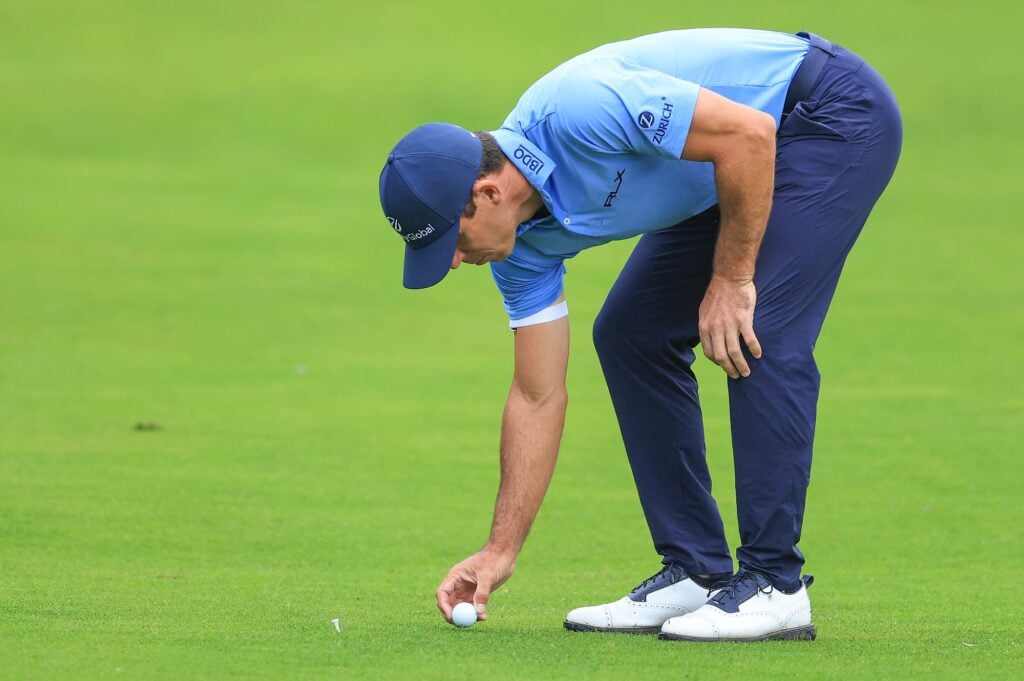
Can I change my original ball when taking relief from preferred lies?
Firstly, let’s get into what preferred lies are. You won’t find it in the 25 Rules of Golf but, when there are abnormal course conditions such as snow, a lot of rain, or extreme heat that can damage the course or anything that might otherwise interfere with fair play, a committee can bring in a Local Rule for preferred lies.
We all know what they are, that they generally apply to parts of the general area cut to “fairway height or less”, and that they’re more colloquially referred to as “winter rules”.
Rule 6.3b (1) says “certain Rules allow a player to change the ball they are using to play a hole by substituting another ball as the ball in play”, such as when taking relief under a Rule.
And Model Local Rule E-3, which deals with preferred lies in the Committee Procedures outlined in the Official Guide to the Rules of Golf, does this. It says a player may take free relief “once by placing the original ball or another ball in and playing it from this relief area”.
Advertisement
I’ve added the bold type for emphasis.
It outlines the reference point as the spot of the original ball and then asks committees to specify the size of that relief area – it’s usually six inches but other examples, such as a scorecard width or one-club length, can be given.
There are also the usual limits on the location of the relief area that you’d see in other relief opportunities – no nearer the hole, for a start.
So, substitute the ball if you wish and choose a spot to place it in that relief area under the procedures that are outlined in Rules 14.2b(2) and 14.2e.
But, as always, just make sure to have a look at your club’s notice board and make sure what they’re doing.
Don’t confuse Model Local Rule E-3, for example, with the similar looking E-2, which is about cleaning a ball rather than preferred lies but may also be seen at this time of year.
It requires players to replace the ball on its original spot. When doing that, Rule 14.2a says that, unless it falls into one of four exceptions, the original ball needs to be used.
The only other thing that could get in your way is if the One Ball Local Rule is in effect. That restricts the ball you can use during your round to a particular make, model, and even colour. But, honestly, how many regular golf clubs use that local rule?
Got a question for our expert?
Despite the changes to the Rules of Golf in 2019 and 2023, there are still some that leave us scratching our heads. I’ll try to help by featuring the best of your queries in this column.
Advertisement
What do you think of this preferred lies rule? Let me know by leaving a comment on X.
Advertisement