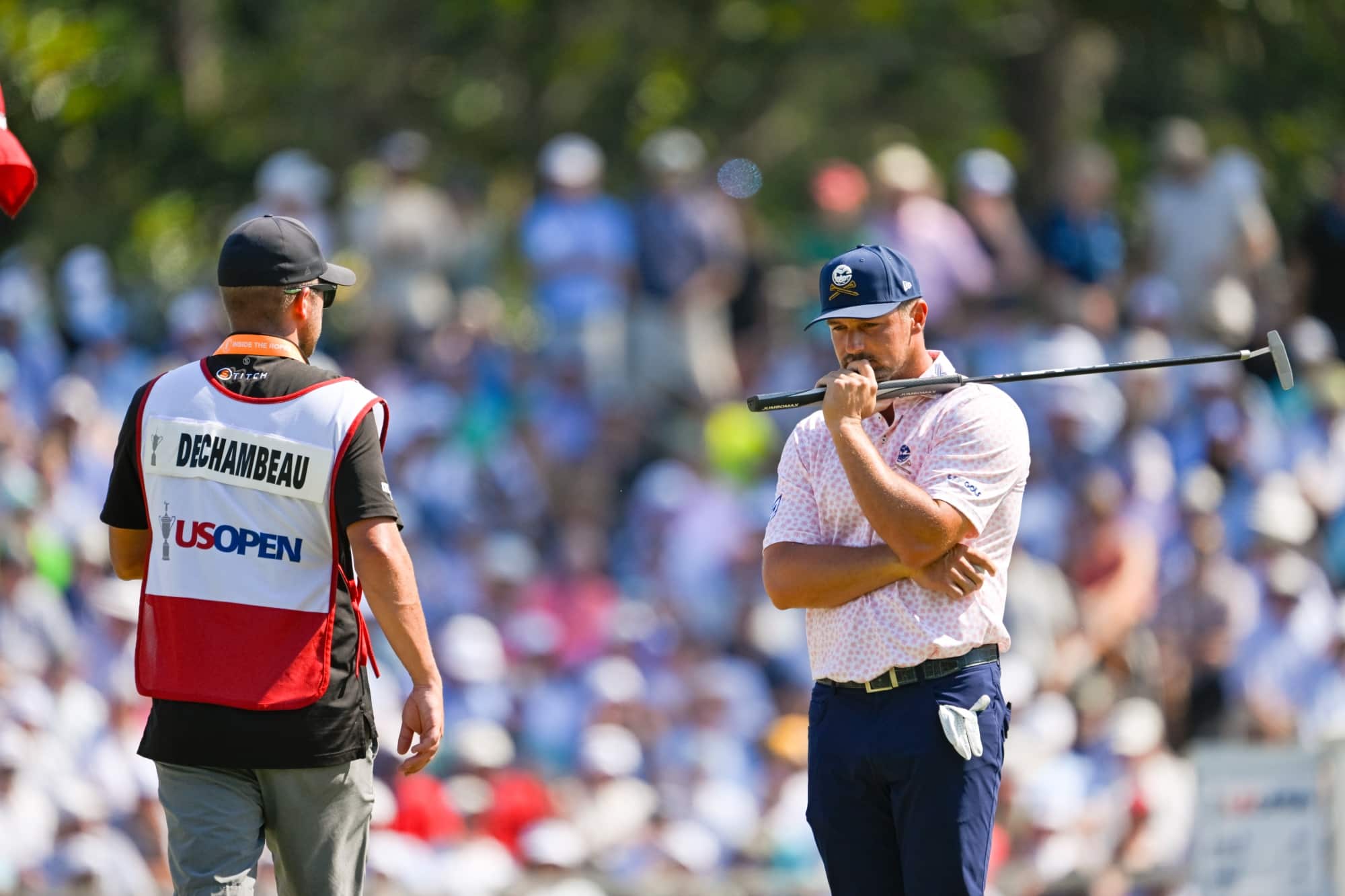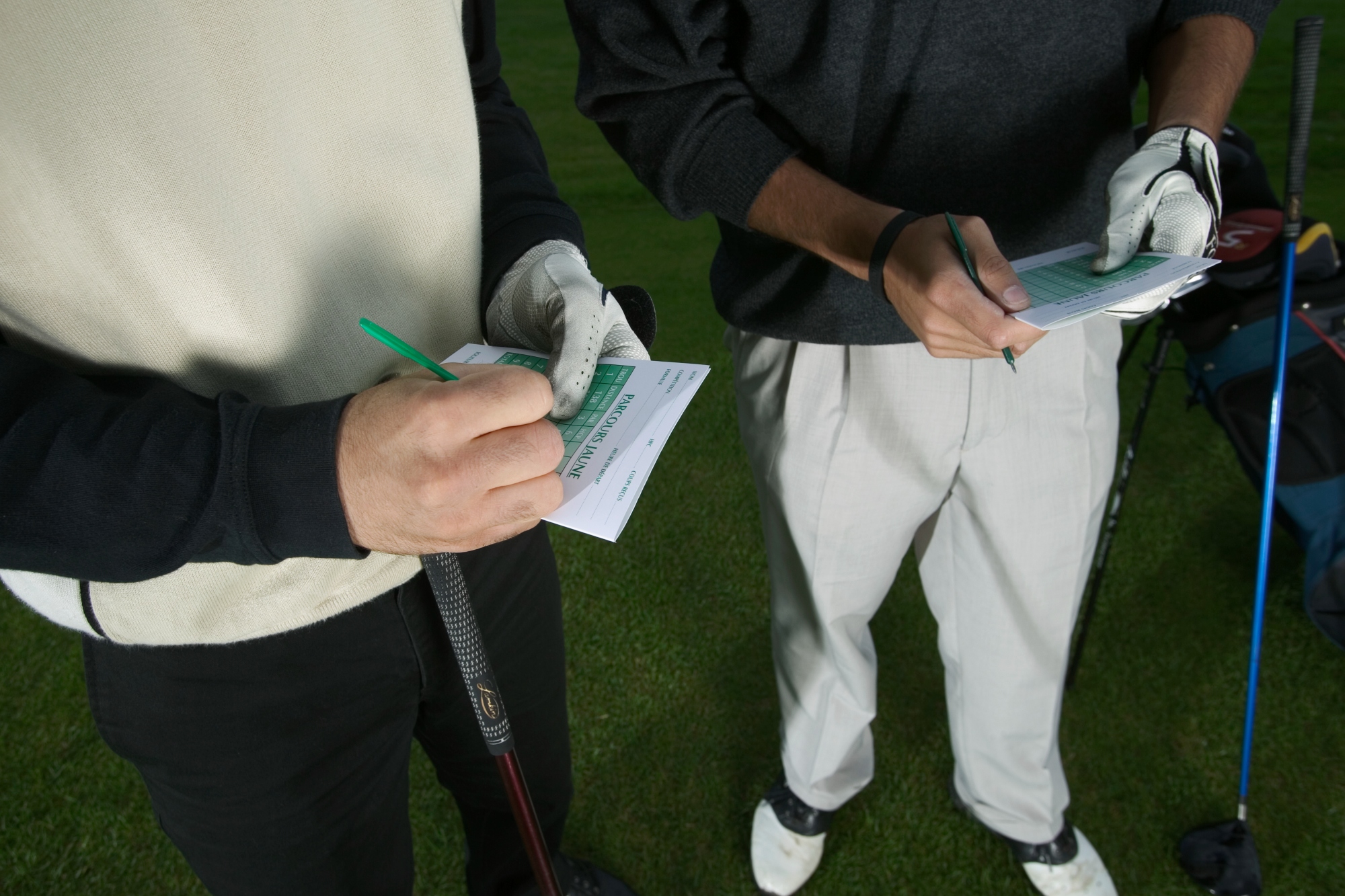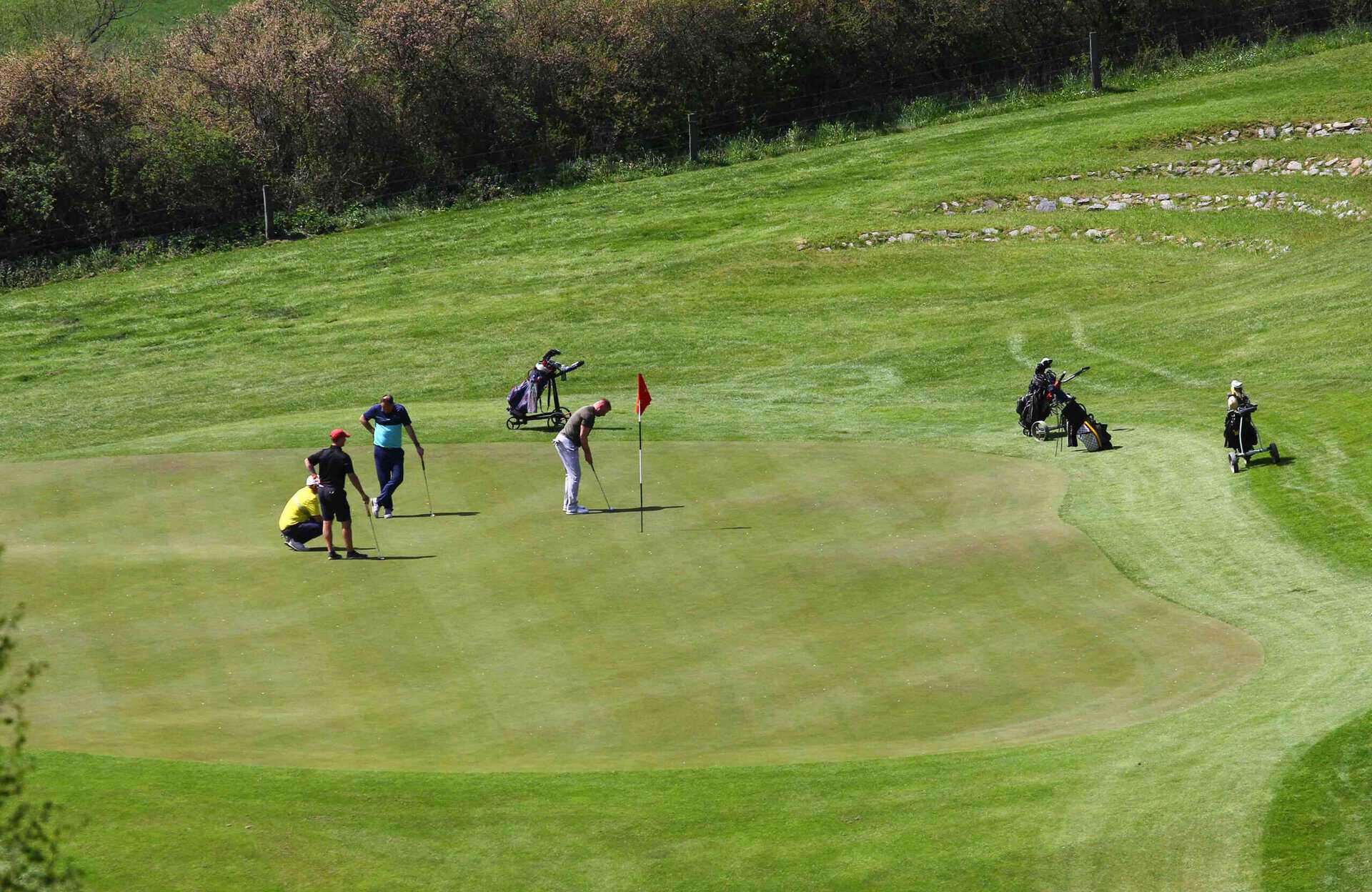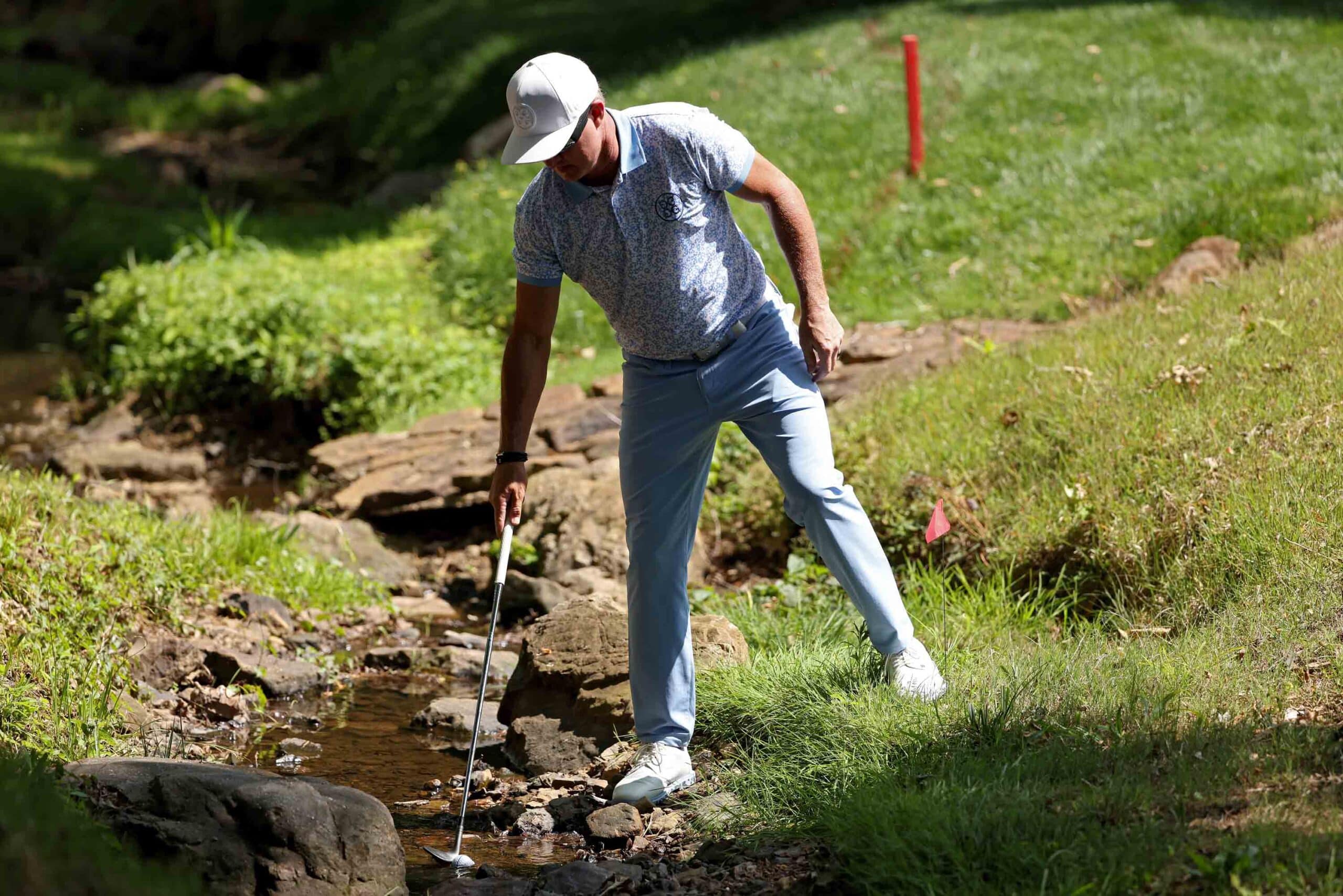




When you think about pace of play, I’ll bet one word looms large. Slow. A lost ball here, a forgotten provisional there, a three-ball that has sprayed it everywhere but the fairway – all get the clocks whirring and keep groups waiting.
But slow play, as you will imagine it, is just a small piece of the overall pace puzzle. Trying to solve it is an intriguing part of being on the officiating team at a major championship.
For all that we like to focus on rulings, dramas, and controversies; about wrong balls, and relief granted or denied, keeping pace of play going is probably a refereeing team’s most important task. It’s certainly the role that takes up most of their time.
At the English Senior Amateur Championship at Alwoodley, where I was one of six referees, there were 144 players to get round on each of the first two days. The tee times started at 7am and the last was at 3.30pm.
That’s a lot of opportunity to get unstuck if you haven’t got a clear handle on how long it’s taking for golfers to get round. For the players, it’s clear. Sent out in threes, they should be finished in four hours and 12 minutes.
Making that happen, as best as possible, is where we step in. All referees are given a timing sheet. On it is every group, their tee time, and a clock time from one to 18. That’s when the players need to have completed that hole. It’s judged from the moment the flag goes in.
Referees each monitor a series of holes – let’s call them patches – and as groups come through their quadrants they check their progress against their target time. The chief referee roams the course and can quickly get to any areas that might be causing a problem.
Advertisement
The team aren’t panicking if a particular group is the odd minute or two out. But when the figure starts to climb, the referees are talking.
They are in constant communication with each other on radios, updating the whole team out on the course about which groups might be falling behind, which need encouragement, those that might need a warning to get a move on and, if it comes to it, those where players may require being put on the clock and timed.

Pace of play doesn’t mean speeding around the course
It’s not a trap. The intention is not to penalise. Sometimes players have bad days. Sometimes they have difficult shots. Sometimes they lose balls. Sometimes they score badly.
If a group has spent time searching for balls, or players have to go back to the tee to play another, it’s discussed, factored into timing calculations, and delivered to officials.
As groups move out of the patch of one referee, they can be picked up by another if they still require close monitoring.
It’s not about speeding round the course. It’s not about disrupting the individual rhythm of players – some of us naturally move faster than others. It’s keeping groups in position and keeping play moving that’s the key.
‘Pace of play is like a heartbeat’ is how it’s beautifully described to me by a member of the Alwoodley team. ‘You have to keep it pulsing and the beat needs to be regular’. Too slow or misfiring and you’re in trouble.
There are tricks of the trade that will provide respite if there is a danger of a traffic jam forming. A 50-minute starters’ gap at Alwoodley, applied when half the field have got on their way, essentially provides a re-set and means the afternoon starters won’t be walking into rush hour if things have gone a bit awry.
But on day one at the English Senior Men’s Amateur, they do not. Each little delay brings a new team missive, and buggies moving around the course keep any delays as much as possible to their minimum.
It is a policy that’s keenly enforced. I see the odd random timing carried out when a message does not appear to have hit home. I do one myself. And with two competition days still remaining, there will be no resting on laurels. A new day brings new challenges. These officials will be waiting.
Now have your say
What do you think about pace of play golf at your club? Is golf too slow, or do we make far too much of the time it takes to get round? Let me know with a tweet.
Advertisement