
Skip to content
    • Tour Homepage
    • PGA Tour
    • LIV Golf
    • DP World Tour
    • LPGA
    • LET
    • The Masters
    • The Open
    • The Players
    • US Open
    • PGA Championship
    • Ryder Cup
    • Solheim Cup
    • WITB
    • Betting
    • News
    • Features
    • Equipment Homepage
    • Reviews
    • Drivers
    • Fairway Woods
    • Hybrids
    • Irons
    • Wedges
    • Putters
    • Golf Balls
    • DMDs
    • Apparel
    • Shoes
    • Trolleys
    • Features
    • News
  • Buying Advice
    • Rules
    • WHS
    • Features
    • News
    • Instruction Homepage
    • Driving Tips
    • Long Game
    • Iron Play
    • Short Game
    • Putting
    • Learn from the pros
    • Course Management
    • Fitness
    • Mental Game
    • Nutrition
  • Giveaways
    • Top 100 Rankings
    • Travel
    • Top 100s Tour
    • Society Guide
    • NCG Golf Podcast
    • NCG Top 100s Podcast
    • Your Golf Podcast by NCG
  • Digital Magazine
National Club GolferNational Club Golfer Logo
  • TourHas submenu items

    Tour Homepage

    • PGA Tour
    • LIV Golf
    • DP World Tour
    • LPGA
    • LET
    • The Masters
    • The Open
    • The Players
    • US Open
    • PGA Championship
    • Ryder Cup
    • Solheim Cup
    • WITB
    • Betting
    • News
    • Features
  • EquipmentHas submenu items

    Equipment Homepage

    • Reviews
    • Drivers
    • Fairway Woods
    • Hybrids
    • Irons
    • Wedges
    • Putters
    • Golf Balls
    • DMDs
    • Apparel
    • Shoes
    • Trolleys
    • Features
    • News
  • Buying Advice
  • ClubHas submenu items
    • Rules
    • WHS
    • Features
    • News
  • InstructionHas submenu items

    Instruction Homepage

    • Driving Tips
    • Long Game
    • Iron Play
    • Short Game
    • Putting
    • Learn from the pros
    • Course Management
    • Fitness
    • Mental Game
    • Nutrition
  • Giveaways
  • CoursesHas submenu items
    • Top 100 Rankings
    • Travel
    • Top 100s Tour
    • Society Guide
  • PodcastsHas submenu items
    • NCG Golf Podcast
    • NCG Top 100s Podcast
    • Your Golf Podcast by NCG
  • Digital Magazine

Sign up here for our newsletter and you'll never slice a drive again. Promise.

Newsletter sign up

This field is for validation purposes and should be left unchanged.
National Club Golfer Logo

© 2026 National Club Golfer | 2 Arena Park, Tam Lane, LS17 9BF

  • About
  • Advertise
  • Contact
  • Editorial Policy
  • Meet the NCG Team
  • Privacy
  • Terms & Conditions
Country: gb Page generated at: Saturday, 14 March 2026 at 0:38:25 Greenwich Mean Time
golf-tips
Tips
Why you should stop trying to find a swing that looks good and start working on a swing that suits you

published: Dec 14, 2020

|

updated: Oct 3, 2023

Why you should stop trying to find a swing that looks good and start working on a swing that suits you

Markus Westerberg

FacebookXInstagramYouTubePodcast0 comments

Some of the best players in the world have what we would call unorthodox swings – so why should you be different? Golf coach Markus Westerberg explains

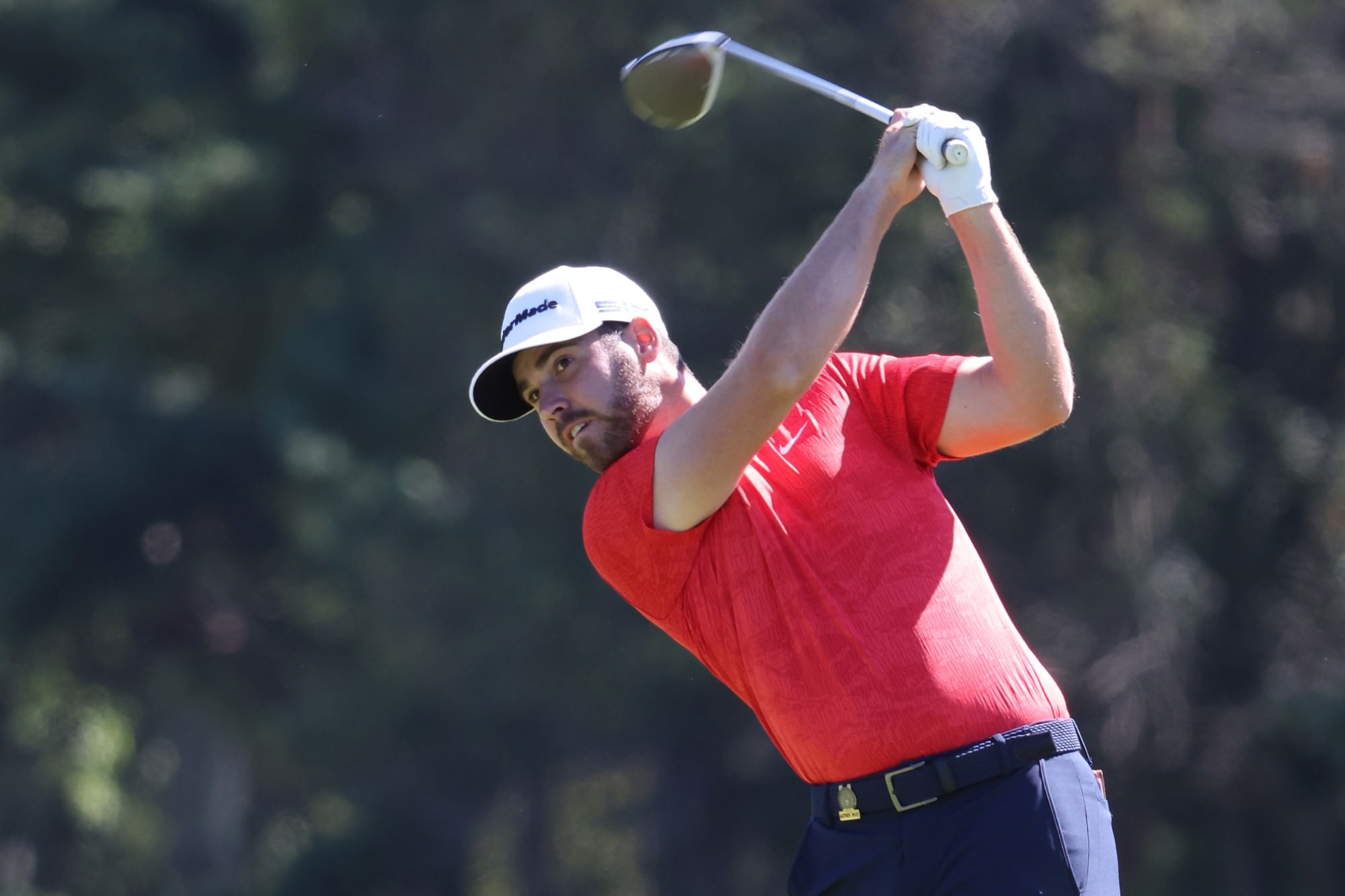
Matthew Wolff

How does an unorthodox golf swing like those of Matthew Wolff or Daniel Berger come to be? Why do they work so well, and would they be even more successful with conventional swings? The answer to both questions is found in the psychomotor connection.

[object Object][object Object][object Object]

The psychomotor connection describes the symbiosis between mind and body. Wolff’s and Berger’s swings have come to be as a solution to the task of hitting a golf ball as far and accurately as possible. To accomplish this, their psychomotor system has used the available resources – physical, mental, and previous sports experience – and combined these into their most efficient solutions to the task. The result is what you watch on TV.

What would happen if you changed Wolff’s backswing or Berger’s position at the top to fit the conventional look? We don’t know and few golf coaches would dare suggest it. But why is this? 

If the golfer was a robot there would be no risks associated with a change. You rewrite the code, press enter and the 2.0 version is ready and improved.

But humans don’t work this way. Any input will cause a surge in the system. The surge can be beneficial, but it can also be detrimental because a golf swing is made up of more than just the swing movement itself. 

It is widely known that physical attributes lay the groundworks of a golf swing, but less attention has been paid to mental attributes and previous sporting experience. The risk-taker’s swing is longer and faster than the contentious golfer who favours control. Your previous motor skills experience like other sports, play a huge role in your swing development.

Just take a look at Rafael Nadal and compare his golf swing to his tennis backhand. When we look under the hood of Wolff and Berger, I wouldn’t be surprised if we found an element of this, because if you have a learned motor pattern – and everyone does – your mind will use this knowledge to create a golf swing.

Advertisement

So, this is how golf swings are constructed by the psychomotor connection – the combination of mind and body – and this is why breaking this link is treacherous. When you change a golf swing, you are not only changing a movement pattern, you are breaking a delicate link and once broken you might not be able to put it back together. 

The psychomotor connection is the reason why picture-perfect golf swings can deliver poor results and unorthodox golf swings can be both accurate and powerful. You need to find the swing that suits you and creates the shots you want instead of a swing that looks good.

Unfortunately, many golfers treat their golf swings as if they were robots and consequently suffer unnecessarily. When you learn how to use your psychomotor connection efficiently, you will get closer to the golf of your dreams. 

About Markus Westerberg

Markus spent more than 15 years on tour across the world, earning eight victories.

Today he works as a full time golf coach at the prestigious Ljunghusen Golf Club as well as being author and a speaker.

Apart from golf he also has a passion for people and the human mind which brought him to Lund University where he earned a BA of Science in Psychology.

Markus describes how the meeting with his golf students is more than just a golf lesson, “it is a true meeting with a person”.

You can purchase his book, The Golfer’s Sixth Sense, in hardback or on Amazon Kindle by clicking the links below.

Subscribe to NCG

  • Twitter
  • Facebook
  • Instagram
  • YouTube
  • Newsletter
https://www.youtube.com/playlist?list=PLSxtrhrR5STUySDlUA6BpB6v3Lru7KcRO

Comments (0)

Leave a Comment

No comments yet. Be the first to comment!