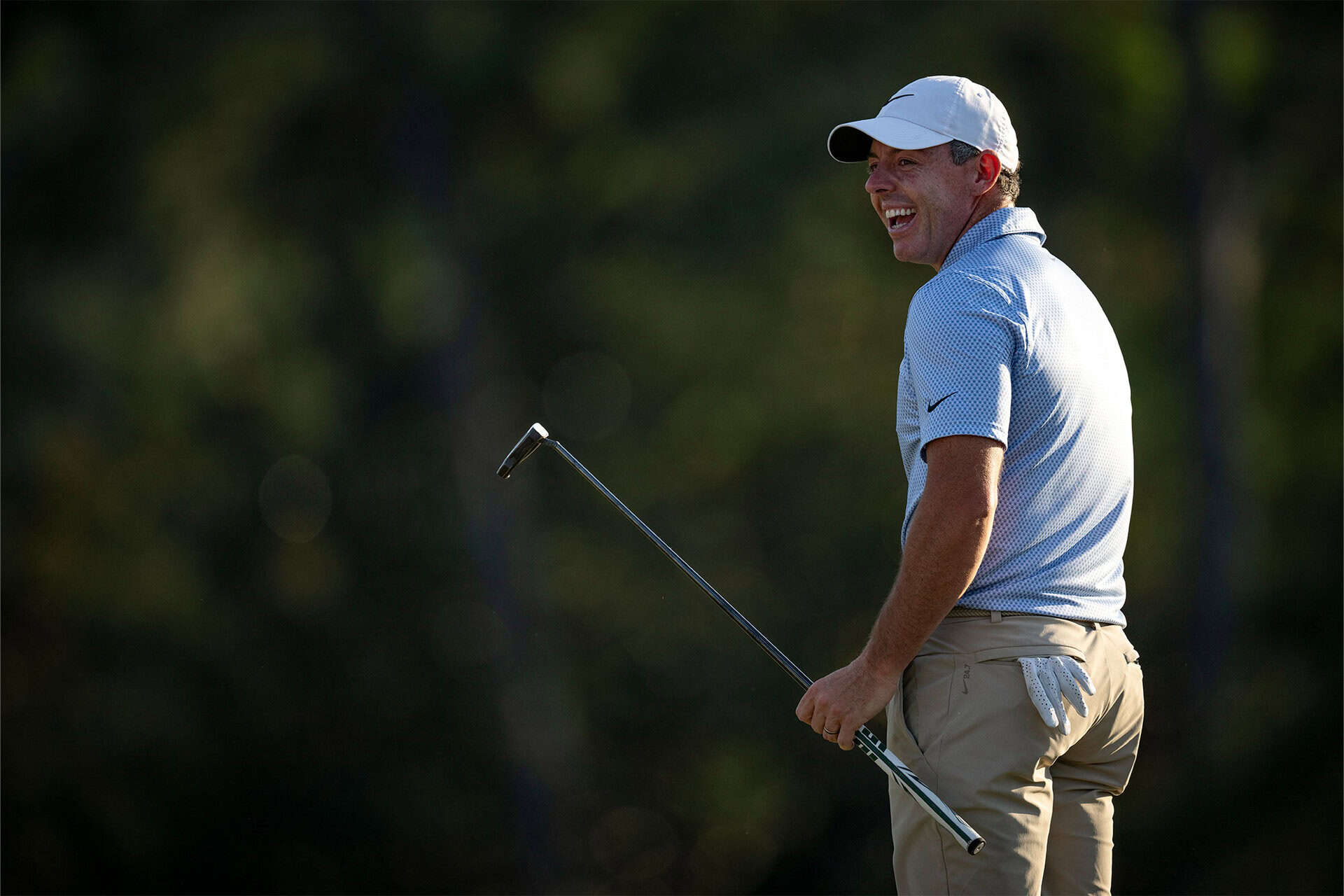


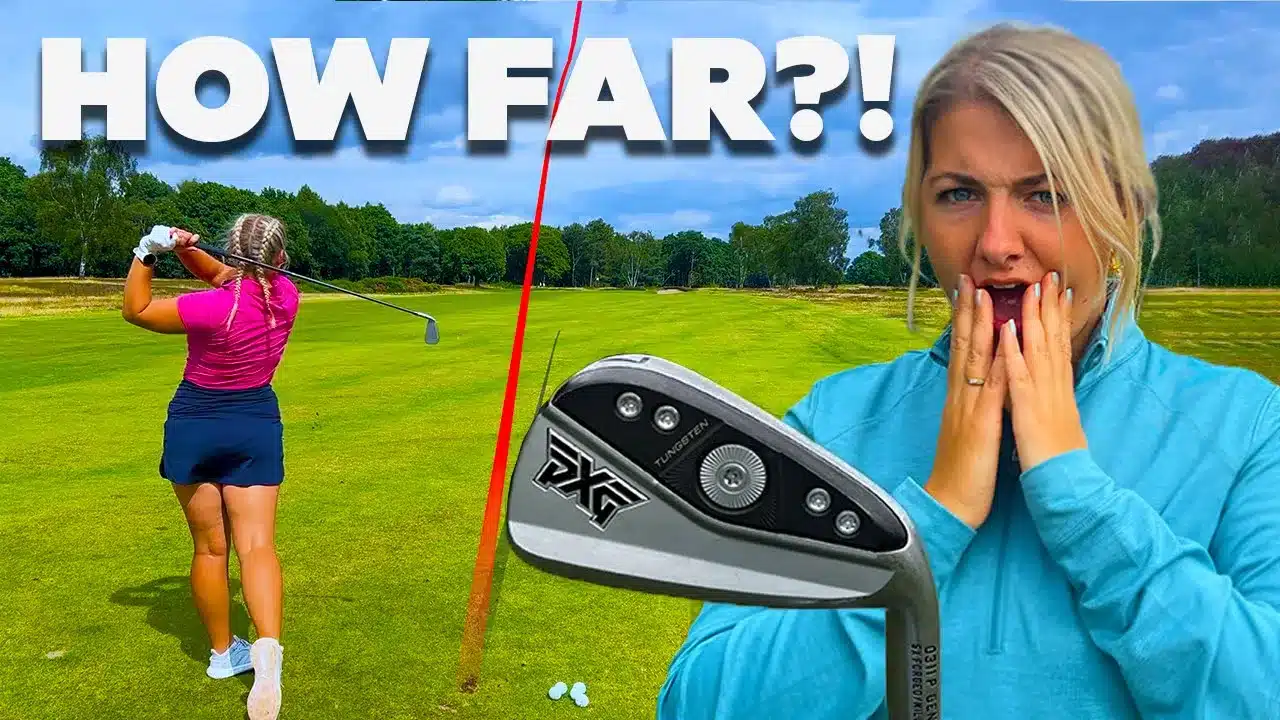
The fairway wood from the ground shot is one of the toughest golfers face in their day-to-day rounds. Having a longer shaft and a head with less loft makes it an intimidating shot, but being good at it can help lower your scores. In this video, Hannah Holden and teaching professional Jack Backhouse explain why you top and how you can stop topping your woods.
- RELATED: Do Not Do This With Your Driver
- RELATED: Is Scratch Golf As Unachievable As You Think?
What is a topped shot?
We have all hit them, but what actually happens between the club and the ball when you top it? There are two different types of topped shots, and knowing which one you hit is essential when planning your attack to stop hitting them.
The first type of topped shot is the over-the-top top. This is where the golf club swings down into the ball and never gets low enough to get underneath the golf ball. This type of shot is common among slicers of the ball as an extreme out-to-in swing path will result in a steep angle of attack, which, if not compensated for with the wrists, will lead to the golfer hitting the top of the golf ball.
The second type of topped shot is the shallow top. This is where the club swings down into the ball and actually bottoms out behind the ball, and then the club makes contact with the top of the ball as it starts to move back up into the finish. This shot is common among hookers or golfers who tend to hit a lot of fat shots, and this shot will often happen after a fat shot as the golfer won’t want to hit the ground before the ball again, so they lift up and skim the top of the ball.
You can identify what kind of topper you are by either having a playing partner stand behind you and watch you hit a few shots or by filming your swing yourself. An over-the-top topper will have a very steep shaft in the downswing, with the club travelling across the ball and their body into impact. A shallow topper will have a flatter shaft and also look as though they are leaning back or have too much weight on their back foot.
Advertisement
Fixing the shallow top
The golfer who hits a shallow top is a player who struggles to control the low point of their swing. Think about the impact of the golf club as the club travelling on an arc; the job of the golfer is to move the bottom of the arc ahead of the ball so that the club can hit the ball before the ground. The bottom of the arc should be 1-2 inches ahead of the ball when hitting fairway woods.
There are a few different ways a golfer can swing the club with the bottom of the arc ahead of the ball. The first and easiest would be to move the ball position back in the stance; this might, however, result in a shot that launches too low.
Another way the low point of the arc can be moved forward is by shifting the centre of the golfer’s hips and chest forwards in the downswing so that they are ahead of the ball at impact. As a loose rule, the bottom of the golf swing will be somewhere near the player’s sternum, so by getting the sternum ahead of the ball at contact, they will more likely strike the ball before they strike the ground.
Golfers can often get confused when standing over a fairway wood and think they need to hit the club like a driver and sweep the ball away. This idea will often lead to a top purely because the ball is sat down on the grass, which means a sweepy, shallow swing isn’t appropriate. This would work from a tee but not the ground. Instead, we should see a small divot ahead of the ball, hitting the shot more like an iron or hybrid than a driver.

Fixing the over-the-top top
If you have a natural ‘power fade’ or slice, then this is likely the reason you are topping your fairway woods. This is a golfer with too steep an angle of attack, with the low point of their swing too forward, which results in a golfer that struggles with shots that go too low, even on a good strike.
The fix for this player is everything the opposite for the first player, so it’s important to know what type of topper you are. The golf tip for this player is they need to try to stay behind the ball more in the downswing and release the club earlier with their wrists. This player really needs to feel like they are going to hit 1-2 inches behind the golf ball to encourage them to get the club down lower earlier in the swing.
A great exercise for this player is to imagine the ball is teed up high like a driver, and that they are going to launch the ball as high as possible from the centre of the face. This will put the golfer’s body in a position where they are leaning their spine angle further away from the target, which inherently shallows their downswing and allows the club to get lower into the ball.
How to play a pitch shot
The fairway wood from the ground is the hardest shot in golf, and will generally cost short hitters and mid to high handicappers a couple of shots per round at least. The long shaft, small head and low loft can strike fear into a golfer as often a bad shot with this club will travel less than 50 yards. If you can’t reach a par 4 or par 5 in two then you absolutely must be competent with the fairway wood to give you a good chance of getting the ball close enough to make an up and down 4. Try not to think of these shots as ‘max distance’ shots, but instead good contact shots.
Advertisement
A well-struck fairway wood is going to make your life an awful lot easier, giving you shorter 3rd shots and therefore more par/birdie opportunities.
If you want to watch some more of our instruction videos, you can get to YouTube by clicking here.
- RELATED – Watch our full instruction video on how to shape golf shots here.
Advertisement