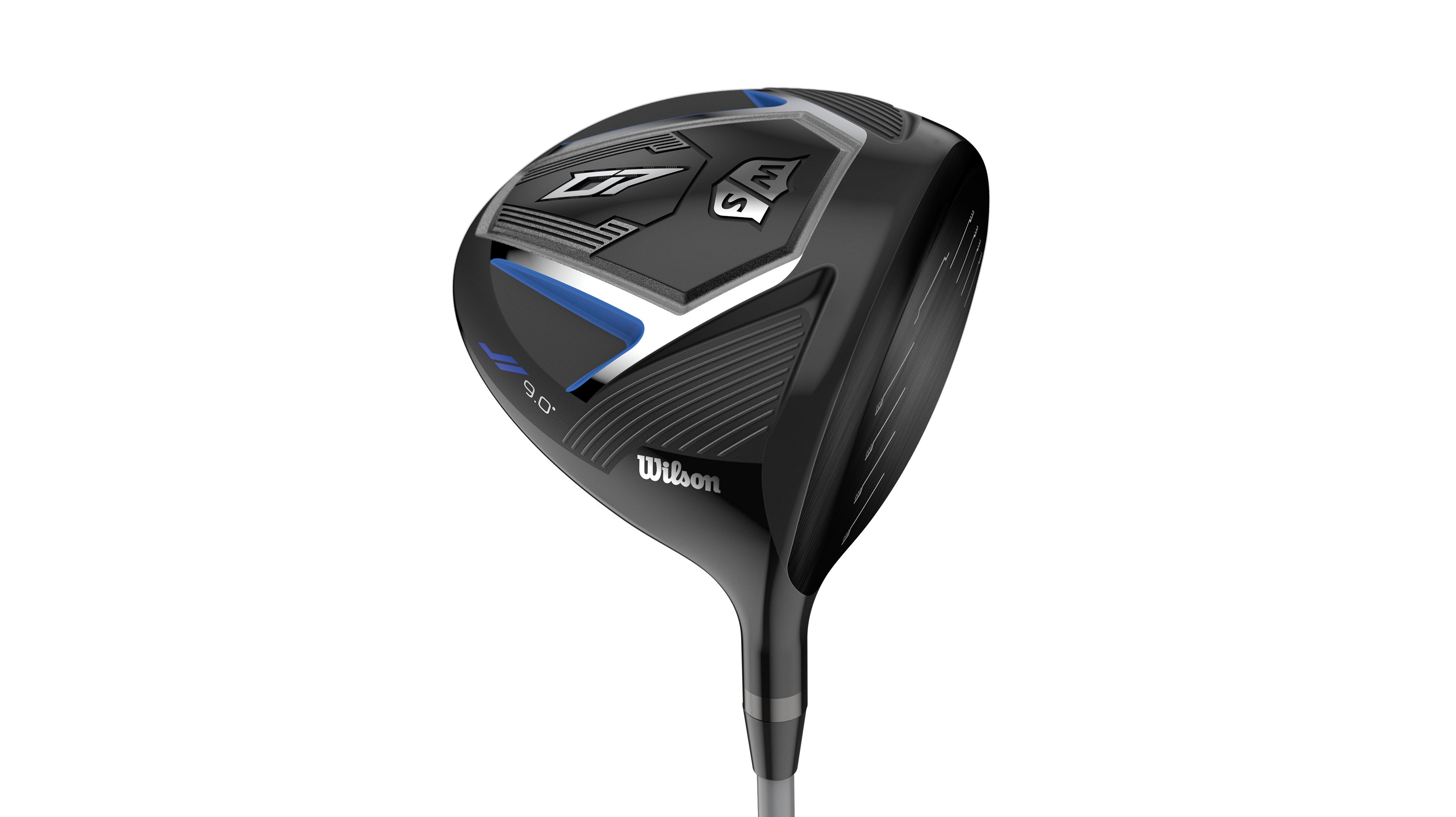
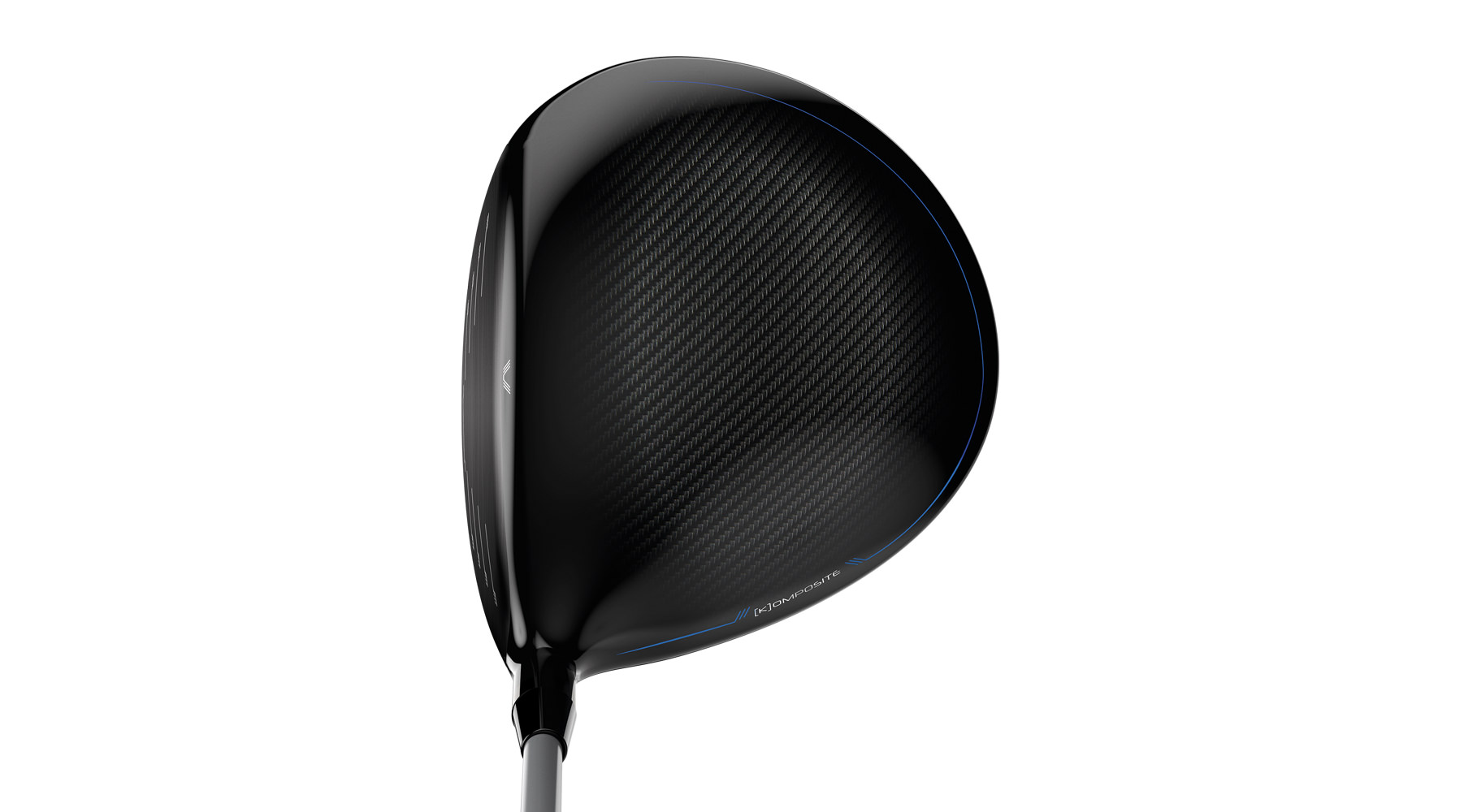
Movable weights can make it very difficult to control the sound.
“The process of creating the D7 driver started with designing the head shape and then stripping out all available weight, almost 25 grams,” Jon Pergande, global innovation manager at Wilson Golf, told us.
“This weight was strategically returned to the head with the goal of improving the sound of the driver and optimising ball flight with dynamic launch control.”
Wilson say the 9˚ head is for players with a faster swing speed with weighting forward in the head for lower launch and spin.
The 10.5˚ should suit those with a moderate-to-fast swing speed with weighting in the middle of the head for a higher launch and spin.
There’s weighting further back and towards the heel in the 13˚ for the highest launch and a draw bias making is better for slower swingers.
That’s the technology but how does it perform? Find out on the next page…
Wilson D7 Driver review: The results
I was already impressed with the D7 driver before I had given it a hit.
There is nothing not to like about it and at £269 it should be on everyone’s testing list. More on that later.
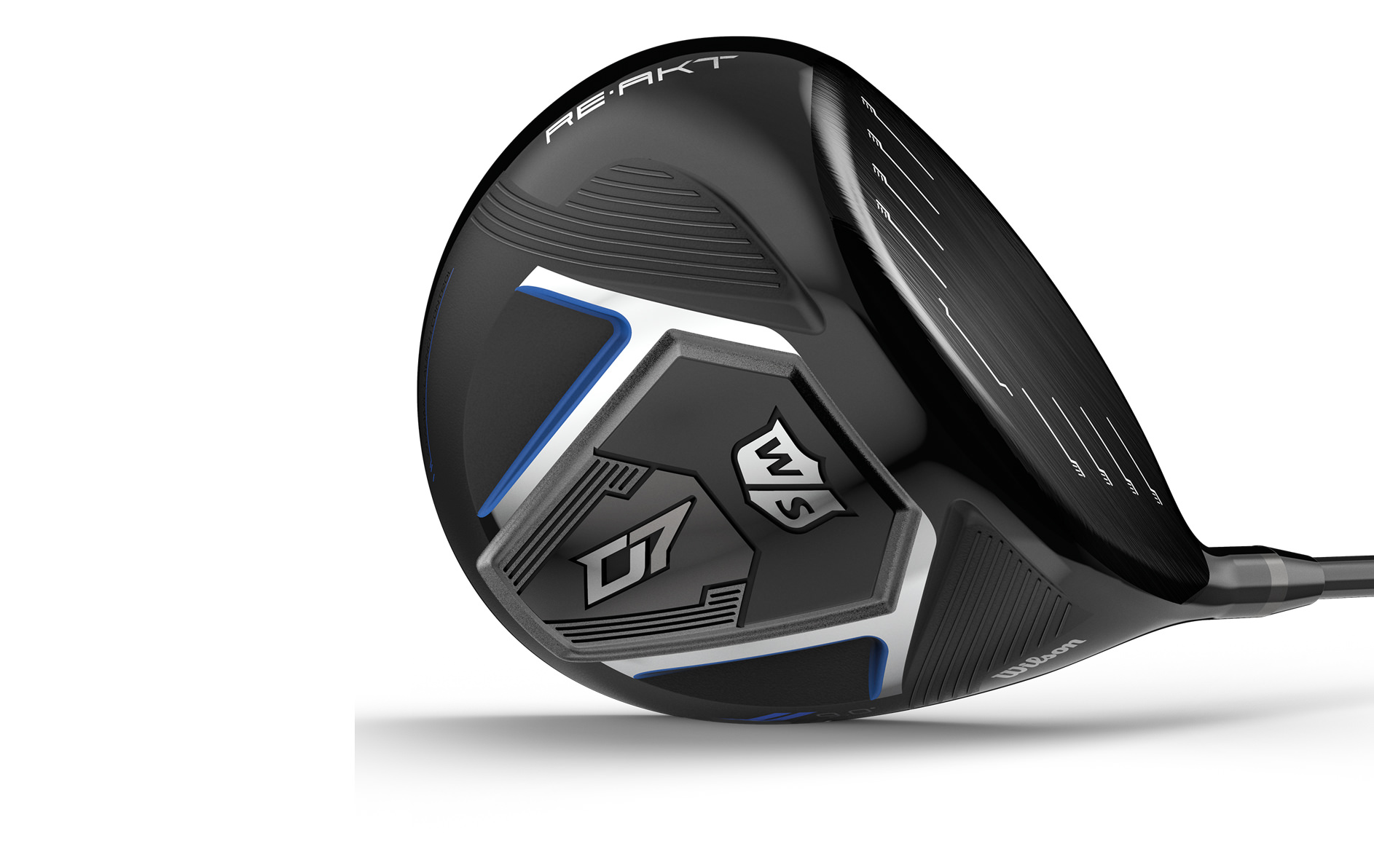
It’s quite nice to hit a driver every now and then which doesn’t have any adjustability to it. It is what it is so takes away any thoughts that it could be set up in a better way for you.
It feels very light but when you start hitting it there’s a nice solid sound and feel at impact.
It feels far more premium that it should considering the price.
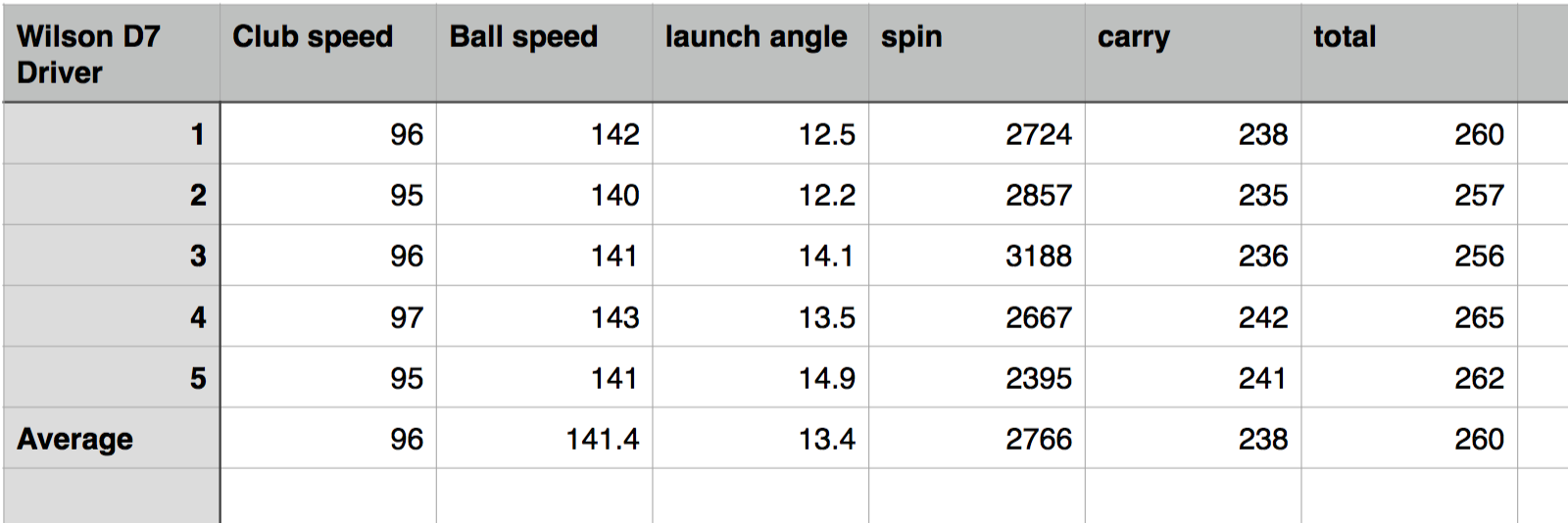
I was testing out the D7 in the 10.5˚ head with the 57 gram stiff shaft. Maybe the 9˚ head would have been more suitable but I was happy with the numbers I was getting.
Another problem I had with the D300 was the spin just got too high.
And considering I’d normally play at least a 9.5˚ head, the spin rates with the 10.5˚ head were perfectly manageable.
So is this the driver for you in 2019? Check out our expert’s opinion on the next page…
Wilson D7 Driver review: NCG verdict
The fact Wilson have been able to improve the D300 so much is highly commendable. It looks fantastic and has a lovely sound and feel. Not two things you’d expect from a driver at this price point.
I like the thinking behind the three head options with different CG placements. It gives golfers the chance to try three heads out and go for the one which best suits their speed and technique.
Wilson are confident this driver is going to work well for mid- to high-handicappers. They are confident they have got a good shaft which is going to suit a wide range of players.
From my experience I’m struggling to see how other brands can justify charging an extra £200.
The performance certainly doesn’t justify that. So you are effectively paying extra for a bigger name.
Obviously it’s difficult for Wilson to get golfers to look past the TaylorMade, Callaway, Ping and Titleist drivers, so coming down in price is an effective way of getting the D7 into people’s hands.
My message to you is to give the so-called ‘Big Four’ a try and then give the Wilson D7 a try.
If you think the extra £200 is worth it then spend away, it’s your money. And the ‘Big Four’ are all making fantastic drivers – I’m not taking anything away from how good they are.
But from the results of my testing I’m finding it very difficult to say they are £200 better.