



The story of Brooks Koepka’s Mizuno irons is a fascinating tale of meticulous planning, heartbreak and redemption with the happiest of endings.
Take it with a pinch of salt if you like. I know I did when I first heard it.
The year is 2014. Mizuno currently have MP irons for tour players and JPX irons for club golfers but want some tour validation for the technology and performance of the JPX line.
They set their sights on a young, athletic, aggressive player who’s club deal with Titleist is due to expire the following year.
They believe he embodies everything they are looking for as the face of their JPX irons for tour players.
Mizuno create the JPX900 Tour irons. But Brooks Koepka signs a long-term club deal with Nike.
It looked like game over for Mizuno’s Project: Koepka.

Then comes the twist.
Nike announce they are no longer going to make golf clubs leaving dozens of tour players including, Koepka, as free agents.
I had to phone Mizuno’s chief club designer Chris Voshall to get all the finer details but the brief summary is as follows.
I will leave Chris to fill in how we got from there to Koepka winning back to back US Open’s and the 2018 PGA Championship with the JPX900 Tour irons…
I guess you must be feeling pretty proud right now?
Man, it’s pretty cool. I’ve been designing clubs for Mizuno for about 14 years now.
We had Luke Donald get to World No. 1 with some clubs I did but never had a major win until last year so to get back to back US Open titles (and a PGA Championship) with a player who literally chose them as opposed to us paying him – that’s pretty incredible.
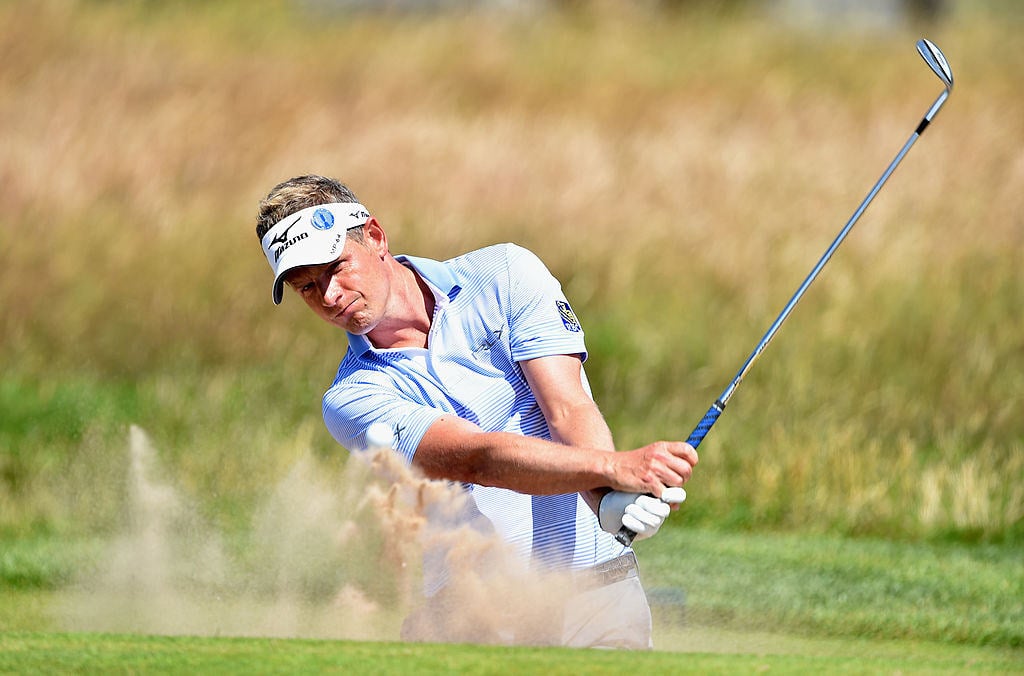
When you created the JPX900 Tour did you really only have Koepka in mind?
He really was the target. We wanted some tour validation for the JPX line so our goal was to pick a guy to play the JPX on tour who looked the part, had the right attitude, the aggressiveness.
Advertisement
We looked at a number of different players but we really zeroed in on Brooks as he embodied everything we wanted that JPX image to be.
He wasn’t just one of the guys, he was THE guy that we really wanted JPX to look like on tour.
Interview continues on the next page…
Why just focus on one player when there was a good chance he’d sign a deal with someone else?
The product still had him completely in mind. We did it far enough in advance so when the time came for him to come to re-signing – that product was finished.
We knew it was a good look, we knew it was a good-performing club we knew it ticked all the boxes we were going for from a development point if view.
It was a little bit bold to say ‘this is our number one guy, this was the reason we made the club’ but we also knew it was going to have success outside of just him.
We saw when Nike exited the golf club business – the JPX900 Tour really took off for that type of player.
What was the feedback like from Brooks once he finally got them in his hands?
It was funny. Because of his endorsement deal with Nike, and the way they exited the market, we were very much removed from testing and feedback.
He and a bunch of the other players from Nike just went around and picked out the products they wanted from all the other manufactures and had them all built up.
Advertisement
Brooks came to us and requested a set in his specs with these shafts and these grips and we built them for him.
But we were really hands off from that point onwards. We didn’t know what the next step was going to be.
It was much to our delight when he showed up at the California swing last year with them in the bag.
And then we were like ‘we need to go and talk to this guy’.
We went and got feedback and he said they were everything he was looking for in an iron.
We’re seeing more players without club deals having success. What does that mean to you when they choose use your products?
It’s the ultimate validation. It’s a tricky thing for an OEM (original equipment manufacturer) because we can’t use their name in print or on our website and we have to tow the line when it comes to talking about players we aren’t giving any money to.
But at the same time the fact they chose our stuff on their own free will – that’s the ultimate validation.
Interview continues on the next page…
So that’s now all four majors of the year won by players without club deals so is it a smart move on their behalf do you think?
It’s always tricky dealing with professional athletes. They are obviously the best in the world at their craft and you get to a level where you feel like you could play anything. The clubs don’t matter, it’s all me.
But you’ve seen it with Patrick Reed and Brooks where you’ve got two guys who rather than chase the money, they are playing what they think will make them the best golfer.
Advertisement
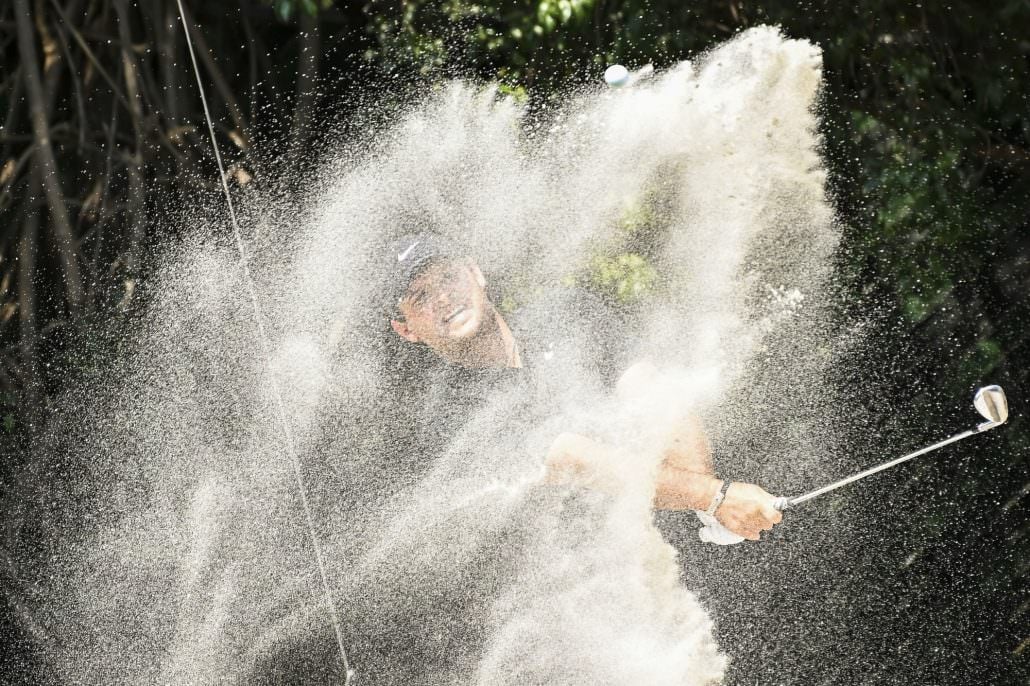
If you look at Tiger Woods signing with TaylorMade it has very much been a work in progress to get the right clubs in the bag. That means some stuff doesn’t work straight off the bat.
We’re the polar opposite to that because we got players saying ‘hey, this clubs work, I’m going to play them and we’ll figure out the rest further down the line’.
To me, if you’re a golfer looking for greatness, you find what works for you rather than sign a deal and hope you can make something work for you.
Are there other pressures when you sign a big money deal?
It’s added distraction when you’re looking to prove your worth.
For Sergio Garcia to go from a complete TaylorMade bag to a complete Callaway bag – that’s a 14-club change.
We’ve seen how difficult it can be just to get one or two clubs to change in somebody’s bag.
The ultimate way to do it is to start with performance then figure everything else out after.
Any given week you are playing for millions of dollars so it makes sense to get it right.
How will the relationship between the JPX irons and the MP irons work moving forward for Mizuno?
It had always been MP irons for the better player and JPX irons for the higher handicappers.
So we’ve been trying to change that way of thinking and put it more into a look and a design philosophy.
MP is for that super traditional, classy guy who wants a blade that doesn’t look too modern – that looks old school. A work of art, a thing of beauty.
And the JPX is more of a modern beauty – the lines, edges and finishes are different. It doesn’t speak to that old school blade guy. It speaks to that younger more aggressive, ‘millennial’ type guy if you will.
Advertisement
We don’t want to to be a choice of game-enhancement or game-improvement we want it to be traditional or aggressive.
More information can be found on the Mizuno website.
Advertisement