


If you’re a golf equipment nerd like me, then you would love to be a fly on the wall when new gear is in the development stage. But what is it like to actually be part of the process? I sat down with Richard Fryer and Jean-Marie Bidal, who are both part of the FootJoy product development team, to find out more.
You may be surprised at just how far in advance FootJoy are working on the technology for your next pair of golf shoes.
“Formally, two to three years out,” Richard explains. “But there is also an innovation pipeline of materials and technologies that don’t have a set target date. We’ll keep testing and perfecting them until they’re ready to come into the line.”
Yes, that’s right. They’re not working on next season’s shoes right now, or even shoes for the season after that. They’re already working on products for 2023 and beyond. That also means the process for the new shoes you bought this year began in 2017.
So how on earth do they go about starting the design process for a shoe that will be released so far in the future?
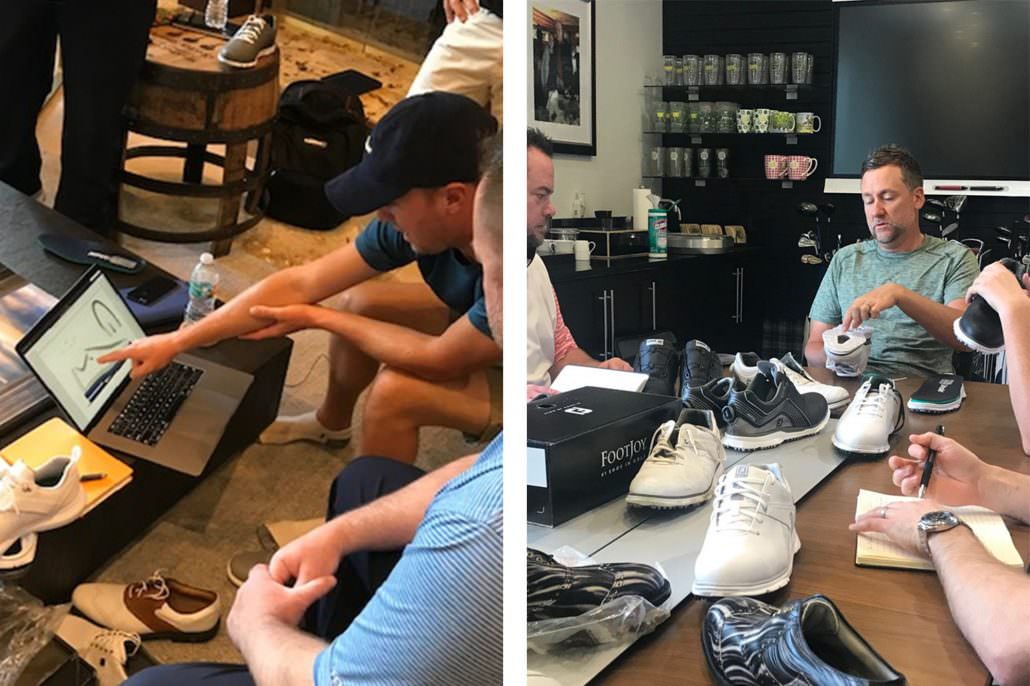
“We have multi-year product plans that form the structure of our product line, and when we plan to introduce new categories. Footwear is a fast-moving category, and we have to be nimble to respond and adapt to new technologies, materials, as well as feedback from consumers and tour players alike.”
Would you find it surprising if I told you a lot of the shoe inspiration doesn’t come from golf? It actually comes from anything but.
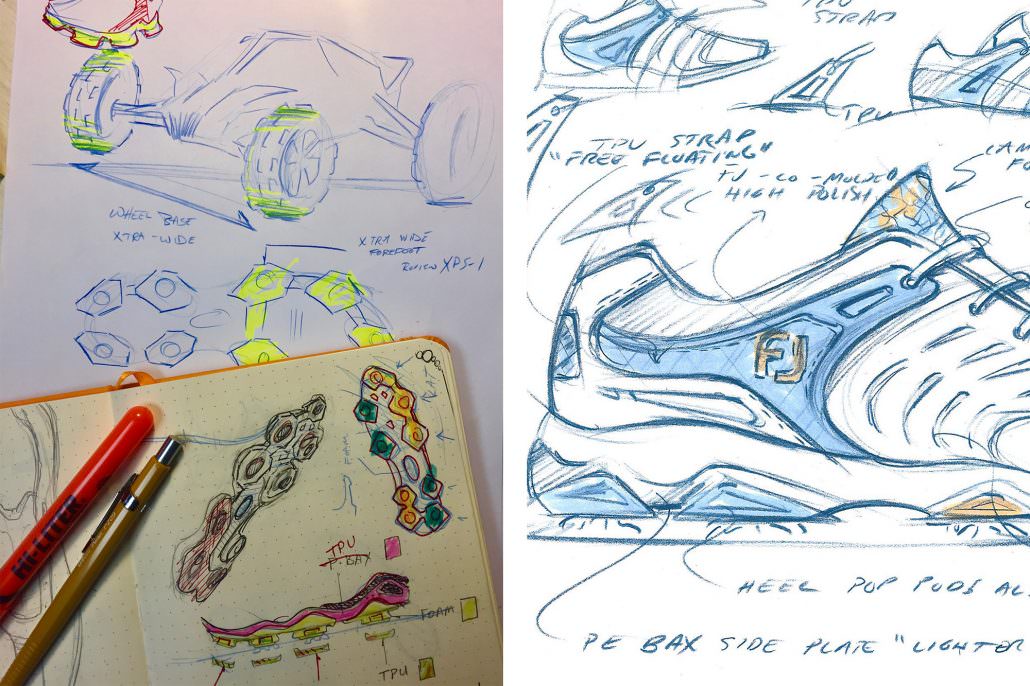
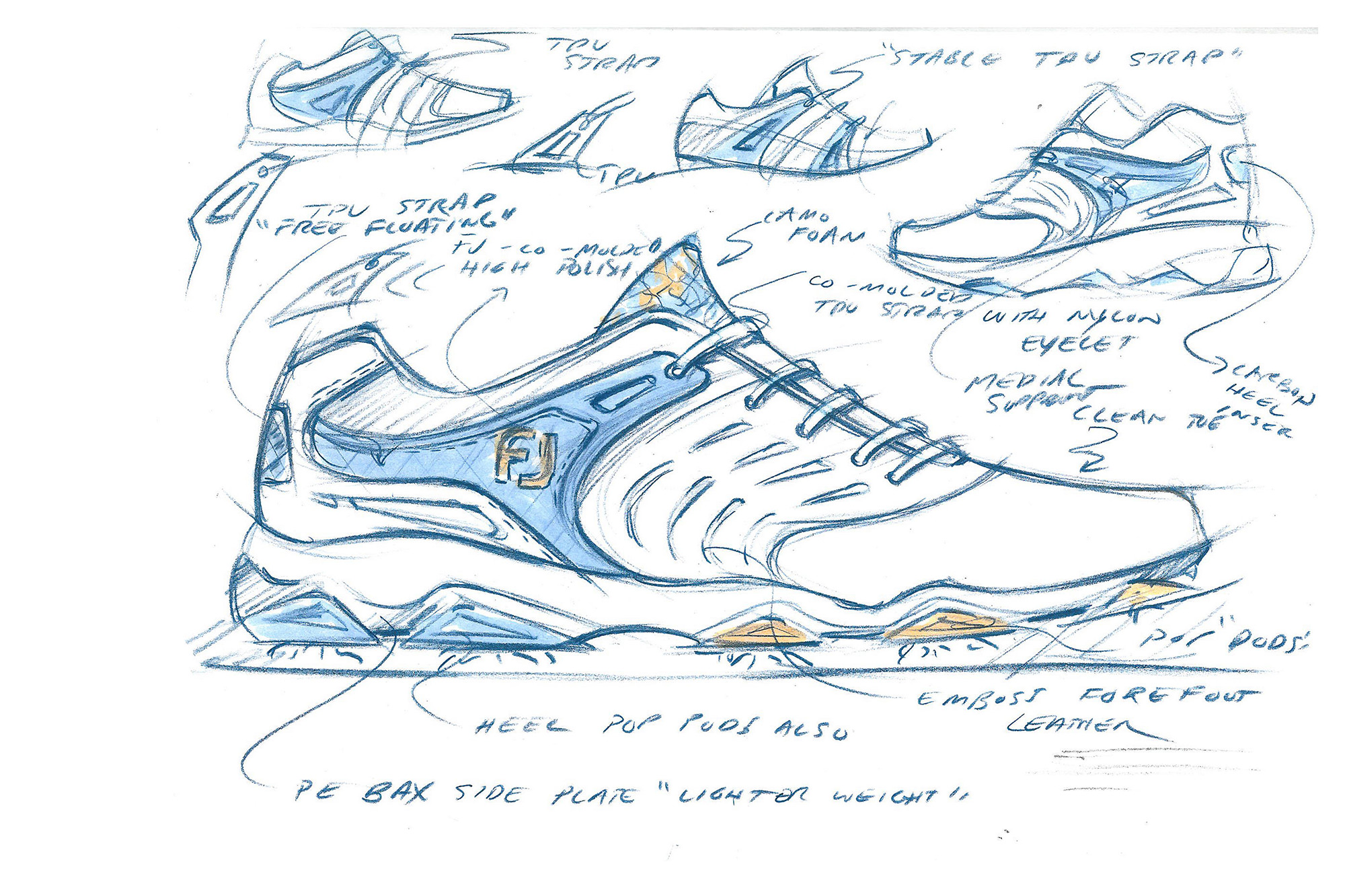
“Inspiration comes in many forms and there are several ways for me to generate new ideas,” explains Jean-Marie. “The sketch iterative process – commonly used in the automotive industry – is a great way to generate a ton of new concepts in the early stages of projects.
Advertisement
“Design cues may come from architecture, product design, or even bio-mimicry. The traction elements of the Flex sole were inspired by natures organic shapes yet organised elements.
“Lastly, looking at other industry segments – hiking, running, lifestyle, fashion even apparel. And see how things evolve is critical to identify global themes and trends and sometimes identify market specific opportunities.
“But the role of the designer is to be visionary and envision what the consumer may need and desire in terms of performance and aesthetics two years from now.
“The Pro SL Is a great example of a product, that was so popular on tour that pros asked us not to change it. But rather than changing it we enhanced it.”