



We can all be guilty of having a one-track mind on our golf courses. We say what we see.
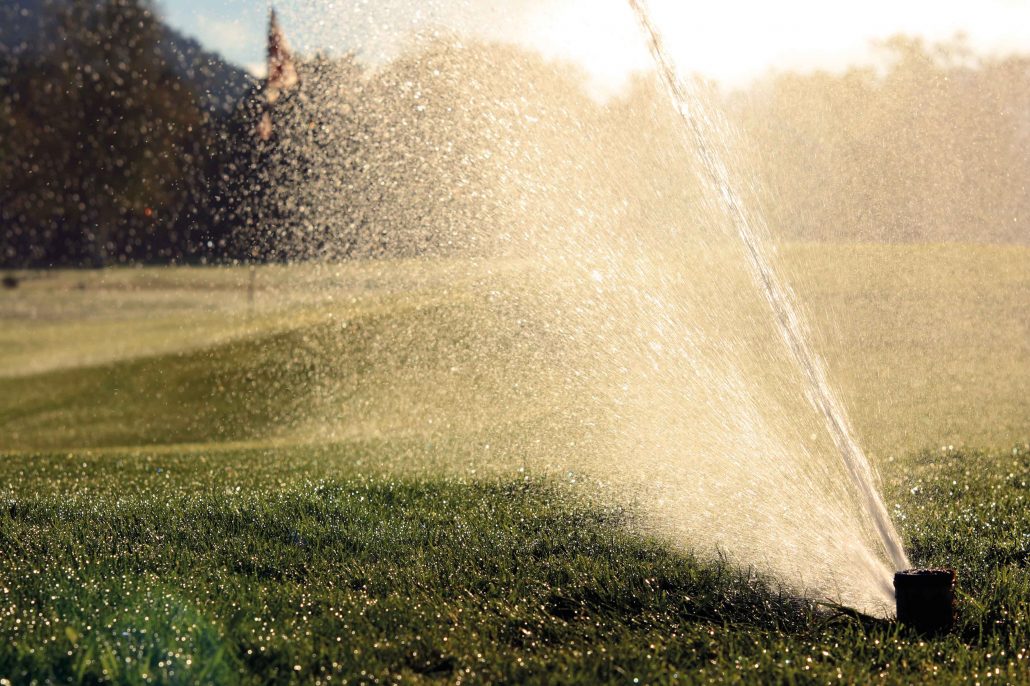
When it’s hot, we think irrigation. When it rains, we focus on drainage. But though these two fundamental disciplines of golf course maintenance might seem poles apart, greenkeeping teams don’t consider one without the other.
“The two are a lot closer than most people appreciate,” says Owen James, The R&A’s sustainability manager. “And there needs to be a shift in how we’ve always viewed these as separate commodities.”
Having worked in both greenkeeping and hospitality at golf clubs, James has a first-class degree in Environmental Science and helped clubs develop sustainability plans in a similar role at England Golf.
With climate change and resources, particularly water, a growing headache for clubs, we asked him about the twin requirements of drainage and irrigation.
Golf course irrigation: Why irrigation and drainage are so important for your golf course
What is the purpose of irrigation and drainage and how has it changed over the years?
We’re trying to make sure the golf course is playable all year round.
You need good drainage to keep moisture away from playing surfaces and, through the summer when we need to irrigate, we need a sustainable source of water.
A lot of past drainage works were about getting water away from the golf course as fast as possible. We’ve started to see a shift.
We want water off playing surfaces, but we need to keep as much of it within the boundary of the site as possible so it becomes positive for irrigation.
The use of mains and abstracted water is changing. Access to more traditional sources of water is changing, whether that’s through cost or legislation.
Harvesting rainwater is a golden egg as it solves a drainage issue but creates a supply opportunity in the summer.
Irrigation and drainage are interconnected because there’s a risk if your drainage is too good in the summer you need even more water than before to keep the turf alive.
Advertisement
It’s incredibly difficult to find the balance between keeping the course playable in winter and not drying out in the summer.
Golf course irrigation: Why do we believe irrigation and drainage are different?
Golfers tend to be relatively short term in outlook. We turn up on a Saturday morning and play those conditions. It’s about longer-term thinking. We want to play in December on nice courses but what needs to change In July to meet those criteria?
The reason most drainage projects are done in winter is so, come the summer, the course is playable and any damage has had time to grow out.
It’s not ideal to drain a green in June because the recovery time will be in the middle of the playing season.
Most winter works are carried out to minimise the impact on that playing season. That doesn’t necessarily mean it is specifically a winter project.
But what we’re seeing now, particularly when it comes to rainfall patterns, is it’s as intense in July as in December.
We’re seeing fewer long-term rain showers. Remember talk of April showers, and how it used to rain for the whole month? It doesn’t now. We get a week of very intense rainfall and then we have the driest March for 68 years.
This is where irrigation and drainage need to help each other out so we’re always prepared for those eventualities.
What do golfers need to understand and what should clubs do when they’re thinking about drainage and irrigation projects?
There is the cost. You can have the best drained golf course. You can have the best irrigation system, but somebody’s got to pay for it.
If you’re at a golf club that is £600 to £800 [membership], they’re not going to be able to reinstate drainage every year and maintain it in the way of somewhere more expensive.
Advertisement
Expecting fluctuations is something those clubs with less financial backing will just have to put up with. But it’s also about planning. If clubs are putting in an irrigation system, how have they future-proofed it?
How are they making sure the system will still be as efficient in 10 years’ time – in terms of where the rainfall is coming from and where the drains are?
What size drains are going in? Is that based on this year’s rainfall or is there a look ahead at rainfall estimates?
Are you putting in a system you don’t really need for 15 years but, in the short term, are going to need to irrigate more?
It’s about understanding these are long-term projects, but they need to be planned in a way that is designed around those fluctuations and extremes.
There will be a time where the system no longer performs the way it was designed and will need refreshing. That is particularly the case with drainage.
Golfers need to get used to seeing a lot more drainage work – and particularly drainage maintenance work – a lot of golfers believe that once the pipes are in the ground, that’s it.
What they should be getting used to is seeing greenkeepers out there doing drain and ditch clearances and making sure the system they’ve invested heavily in is as efficient 10 years down the line as it was in day one.
How will changing weather patterns affect us?
These are going to become more extreme and frequent. There will always be extremes for which you can’t prepare.
But it’s about making sure, on the average curve, your course is as playable and prepared for the challenges as it can be.
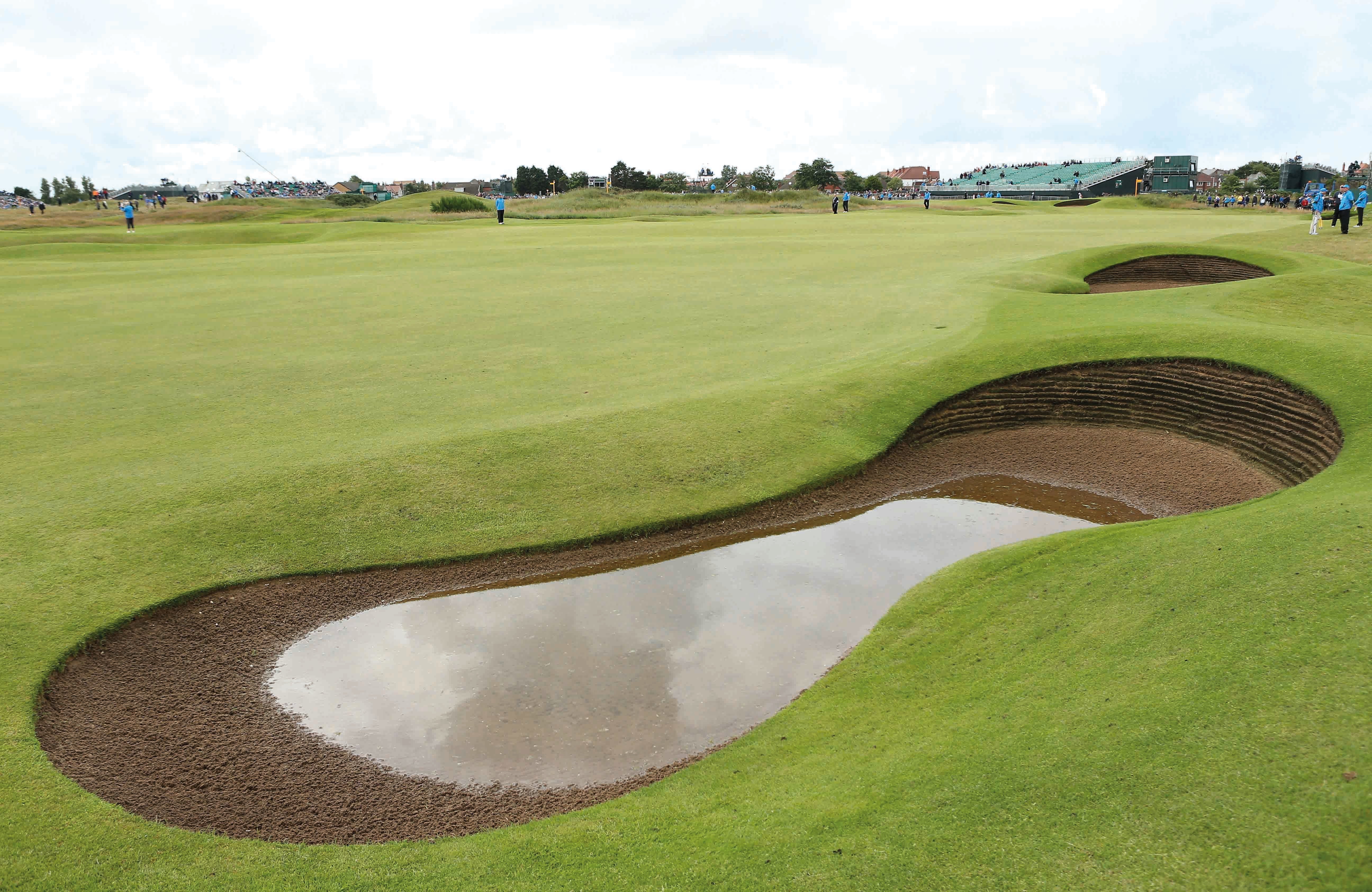
There are going to be times where this will show when it previously didn’t. For example, a golfer turns up at their club in the middle of July and there are puddles on the green because it’s rained heavily overnight. Two hours later, the golf club will tweet that the course is back open and the greens have dried out.
Advertisement
There is going to be more of that because drainage systems are so good at moving moisture away from the playing surfaces that coping with these storms is going to be easier.
- This article also appears in Your Course, the twice-yearly publication from the British and International Golf Greenkeepers Association. Your Course invites golfers to gain a deeper appreciation of what preparing and maintaining a golf course really involves. Head to www.bigga.org.uk to find out more.
Now have your say
What do you think of this golf course irrigation piece? What have conditions been like at your course this year following a dry spring and several summer heatwaves? Let us know by leaving a comment on X.
Advertisement