



Not long now. The nights are getting lighter. The Masters is about to start. The dawn of a new competition season at our golf clubs is close.
But before your new captain hits their ceremonial drive, and before your clubhouse is full of players striving to get on the honours board, there are a few things your club committees need to do to make sure everyone is ready for the new campaign.
So what’s on the agenda?
How can we help golf competitions run smoothly this season?
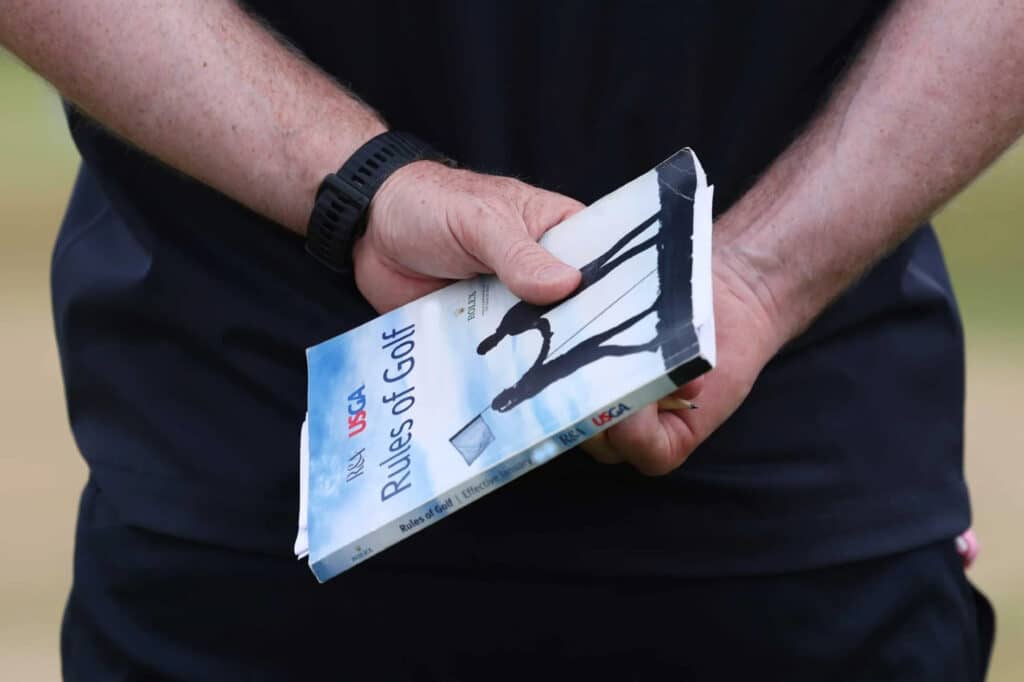
Check the Local Rules
Clubs should look to make sure the wording is correct and that their Local Rules are consistent with the Rules of Golf.
Do they reflect the course as it is now – or how it was when they were first written?
They should make sure they are displayed properly. And if scorecards include shorter formats of Local Rules, they should ensure the full text is available – whether that’s on a noticeboard or on the club website.
Local Rules cannot be used to waive or modify a penalty in a way that is different to the Rules of Golf. There can be consequences for committees which adopt a Local Rule that isn’t consistent with R&A guidelines.
So states the governing body’s Committee Procedures: “If a Committee adopts a Local Rule that is inconsistent with the stated purpose of the Model Local Rules, the handicapping authority should be consulted as to whether players may submit acceptable scores from that round for handicap purposes.”
Check scorecards and WHS ratings
Has anything changed on the course during the winter? Have holes been lengthened or changed? Have tees been moved or greens altered?
Lots of winter projects might see a club require a Course Rating change. Clubs can contact their regional handicap advisors to see if that is needed if there has been substantial winter work.
Similarly if holes have been lengthened or shortened, does the scorecard reflect these changes with the new yardages?
Advertisement
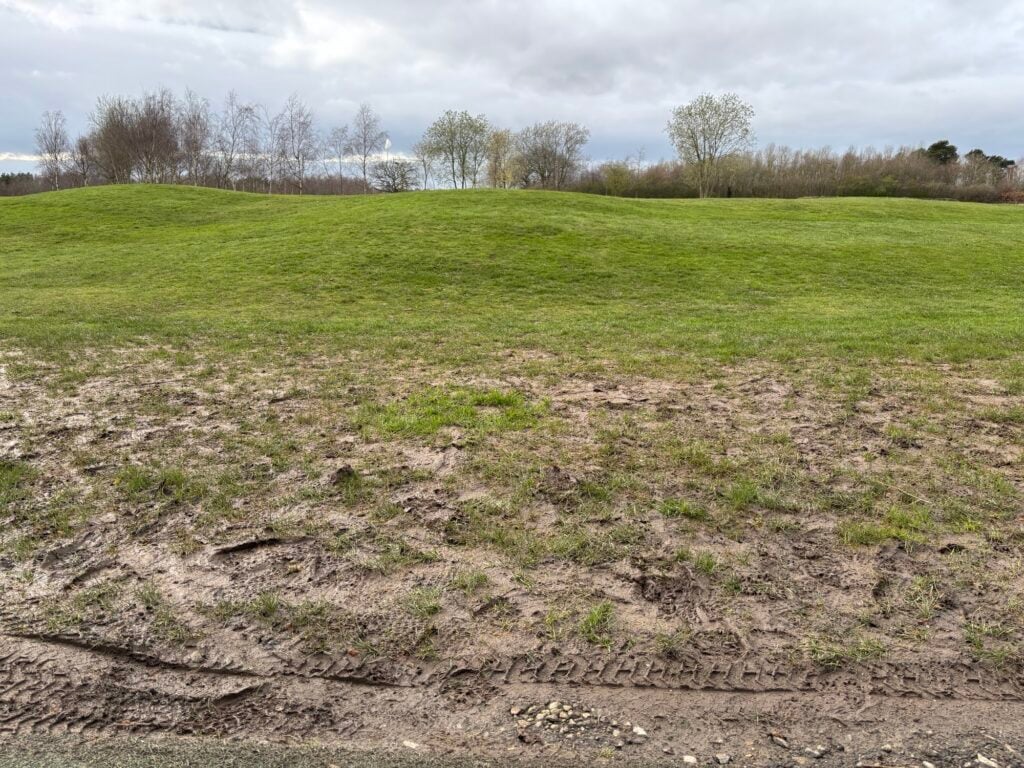
Carry out a course walk
It’s been a very wet winter in some parts of Great Britain and Ireland and clubs need to assess the damage. What is unusual and what is just what you might expect to see during the coldest season?
Do areas of ground under repair need to be considered? Did you know that deep ruts are not automatically GUR? So clubs need to think carefully about the Local Rules they might wish to use while the course recovers.
But a course walk is about more than just dishing out Local Rules. It’s also a preventative measure. It’s a chance to make sure everything else on the course is looking ship-shape.
Are tee markers and discs visible? Are drop zones clearly marked? Are distance markers in the right places?
Are penalty areas properly marked red or yellow – and is there any confusion? Are out of bounds stakes, or painted lines, easily seen and in the right positions?
Nothing causes more early season friction than confusing markings.
It’s the responsibility of a committee to make sure the course is appropriately marked and that those markings are refreshed if required.
That’s obviously an “ongoing task”, as indicated in the Committee Procedures. But seeing the course through members’ eyes in early spring can be invaluable.
Getting out on a course walk and identifying potential issues before they become a problem can save clubs a headache in the long run.
Check the Terms of Competition
How are ties separated? What’s the entry criteria for your club’s golf competitions? How many competitive rounds are required to enter? What are the handicap requirements? If a playoff is required, is the format explicitly stated?
Clubs should give every event in their competition calendar a once over, no matter whether it’s a big trophy or a Sunday Stableford. Making sure that vital information is included, such as eligibility, format, entry requirements, and when a result is final, makes sure everyone knows what’s expected of them.
It also gives clubs rules and procedures to follow if there is a dispute.
I’ve heard about competitions won by players who shouldn’t have been able to enter, and club championships which descended into confusion when no one knew how to split competitors who had posted the same score.
Having clear and unambiguous Terms of Competition are crucial to ensure every event runs smoothly and clubs need to ensure they are easily available to members.
But golfers need to play their part as well. It’s no good complaining after the fact that you didn’t know what the requirements were. If TOCs are on email, or in a paper folder in the clubhouse, it’s up to members to familiarise themselves with their obligations when they’ve entered an event.
Review any Pace of Play measures
The days are getting longer but there can still be pressures on the clock – particularly during the first midweek competition that spills into an evening.
Do clubs have target times for duration of rounds? How are they displayed? Are they enforced properly, or just there for show?
Clubs should carefully consider tee times for early season competitions. Are the starting intervals appropriate or are players going to be finishing in the dark?
- A version of this piece also appears in the GCMA’s monthly Insights newsletter that is packed with expert opinion on matters relating to golf club management. Sign up to Insights for FREE here.

Now have your say on golf competitions
Does your club do any of these measures? Do they look at anything different when it comes to preparing for golf competitions? Let us know in the comments or get in touch on X.
Advertisement