



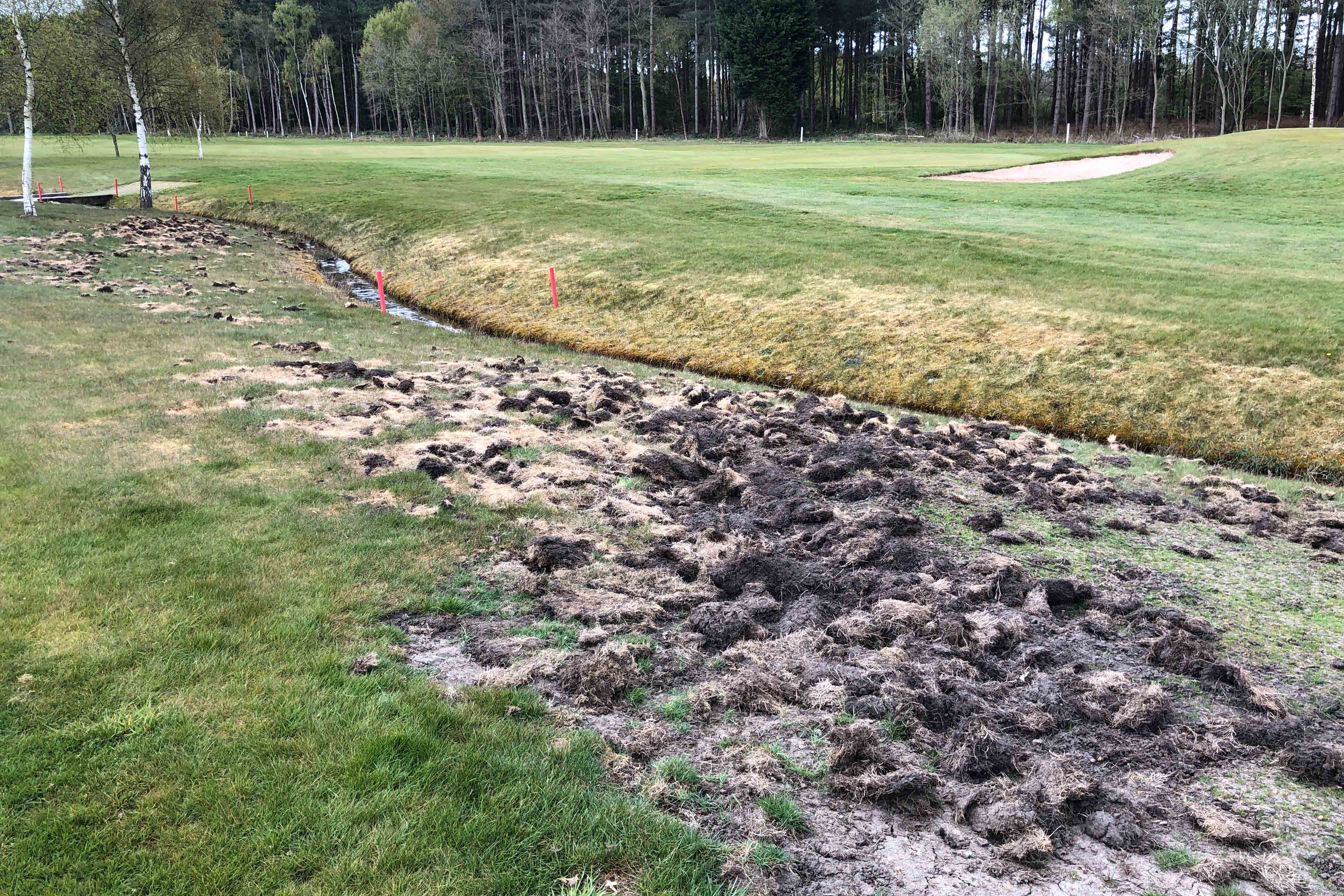
It may look tranquil but it’s a warzone on your golf course. “Pests can be a major concern for the golf course manager,” says Sean Loakes, technical manager at Syngenta and responsible for developing new solutions for pest control in the golf industry.
The grass is under attack from all kinds of villainous foes – from microscopic worms that can strike from underneath to mammals that can roll up turf “like it’s carpet”.
Add in unpredictable weather, which is bringing new weeds and unfamiliar irritants, and the removal of chemicals, such as pesticides that once offered a quick solution, and your greenkeeping teams can be fighting a battle on many fronts.
In a regular series, Sean takes you through some of the major pests seen on golf courses and outlines why they’re so destructive. This time, we’re talking about chafer grubs…
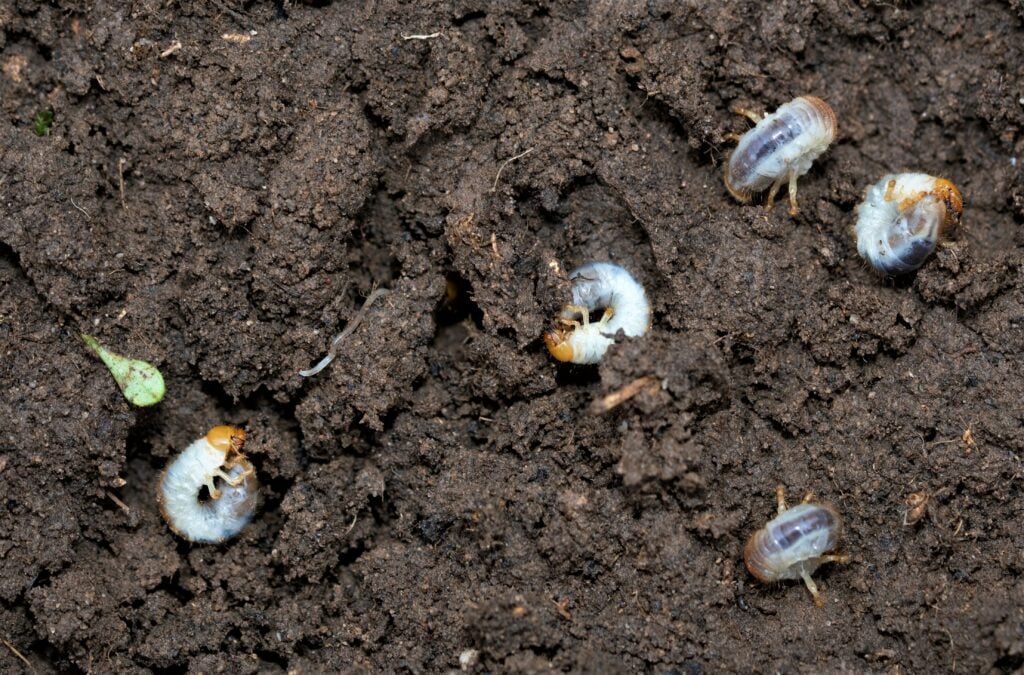
What are chafer grubs?
The larvae of the chafer beetle, with four species affecting turf. They range from very small to very large, such as the huge Maybugs.
They have a three-to-four-year life cycle and consume roots in a similar way to leatherjackets but are much less mobile. They are protein-rich for badgers or foxes, which are keen to find them. They tend to be in fairway and rough areas. They don’t seem to like the compaction and work on a green.
How do they affect golf course turf?
They eat away the root zone and consume the plant from underneath, which is then less healthy, less able to compete and struggles when there are stresses on the turf.
They also attract secondary pests, like birds and badgers. When the grubs weaken the turf it’s much easier to pull back, making it essentially a separated layer.
What can be done about chafer grubs?
The chafer grub is challenging. Most courses use their remaining Acelepryn from leatherjacket treatment to target sites affected by chafers. For those only affected by chafers, they must consider the most important playing areas – such as those with high wear.
Advertisement
Outside those target areas, using insect parasitic nematodes is the only other option. Sheeting doesn’t work on chafers in the same way as leatherjackets as they live in the soil longer and are more robust. Monitoring can tell you when adults are flying and helps identify the species but doesn’t deal with the juveniles.
What do golfers need to know?
The big ask is for patience and communication. Greenkeepers are focussing on manageable areas and exploring all options but have limited choices, which need to be carried out year on year for an effective programme.
With their life cycle, their presence in surrounding farmland and areas and each adult laying hundreds of eggs, even a completely cleared course could be reinfested. It’s an ongoing threat and challenge.
- This article appears in Your Course, the twice-yearly publication from the British and International Golf Greenkeepers Association. Your Course invites golfers to gain a deeper appreciation of what preparing and maintaining a golf course really involves. Head to www.bigga.org.uk to find out more.
Now have your say
Has your golf club suffered with chafer grubs? What were they able to do about them? Let us know by leaving a comment below or on X.