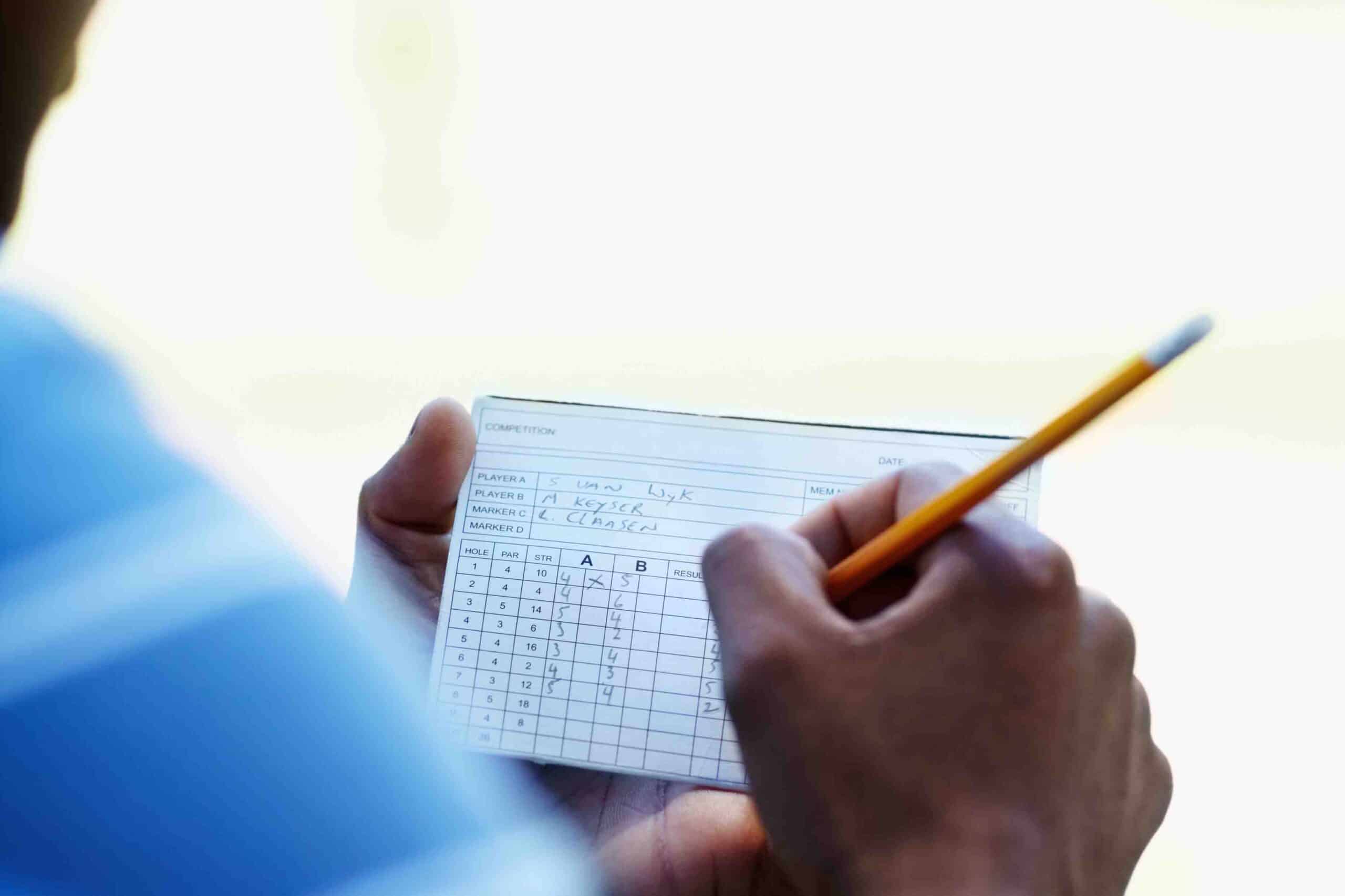



My life is consumed by junior sport.
Football, cricket, swimming, golf – hours and hours a week of it. Football dominates, cricket butts in around Easter, and swimming is a constant irritation (for all of us). Golf is hard to fit in, even with my job, and with all the access and opportunity it affords, golf is expensive, and you need to make time for it in a way that the insidious football just makes for itself.
We do it all because kids’ sport is a blessing of health, of community and life, but is cursed by professionalisation, academies, pathways, and joy being defined by success. I really want my kids to be golfers, not so they can become professionals, but so it can be something we do together forever.
I want it to be binding and bonding. I want it to be our thing.
Happily, this winter, spring and soon to be summer, golf has got my eldest. At some point over Easter, something changed, and suddenly, it was not Dad saying, ‘let’s go to golf’, it was Joe saying, ‘Dad, can we go to golf?’
There’s a particular kind of magic in watching a child fall in love with something for the first time.
Not the loud, fleeting excitement of a Fortnite season, or a hideous 6/7 internet craze, not even the written ritual of football training, but something a bit deeper. There is also relief when they want to do something you love, not because you want them to, but because they love it too.
Watching an 11-year-old boy catch the bug for golf is exactly that kind of magic. It doesn’t arrive with a bang. It sneaks in through curiosity, grows through enormous levels of frustration, and suddenly, beautifully, it is starting to become part of who he is.
Advertisement
Golf is awkward, hard and exposing. On competition days, particularly, there is a self-consciousness that hangs in the air, an awareness of other people, of getting it wrong, and of a strange environment. There is a forced ownership of errors that almost all other sports cover up, you have to lie in your bed.
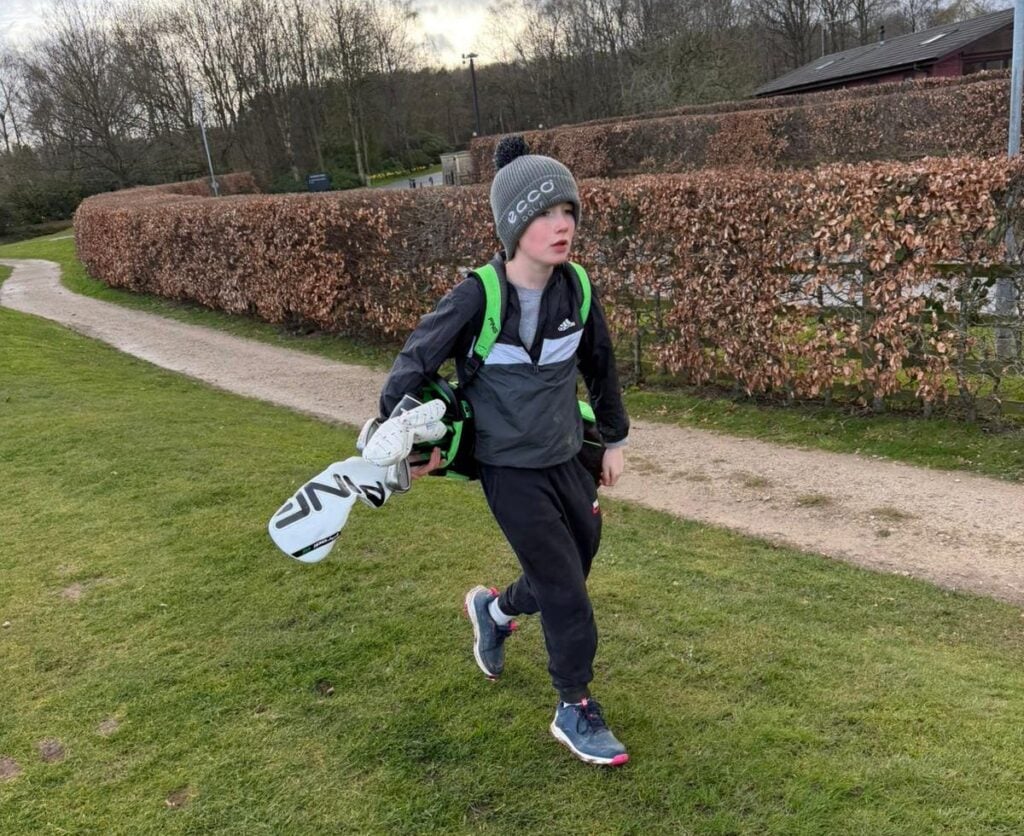
It starts with one clean strike. A moment where the club meets the ball perfectly and it lifts into the air in a way that feels almost impossible – a spark of “I did that.” You get amongst your people, who want to chat, and you have time to chat. They might be better or worse, but they understand.
So he begins to want to come back. He wants to take his friends; he wants to show his sport off. His grip has improved; his stance is a little more natural. There’s still plenty of frustration, missed shots, topped drives, putts that refuse to drop, but now it’s different. The frustration isn’t a barrier anymore; it’s part of the process.
And how quickly these golf experiences are shaping him. Golf, by its nature, is social. It requires patience, awareness of others, and an understanding of rhythm, not just of the swing, but of the people around you. At 11, those skills aren’t always fully formed. Conversations can be awkward, silences uncomfortable.
But out on a course, the structure of the game provides a kind of safety net. There are natural pauses, shared experiences, small rituals. “Nice shot.” “Unlucky.”You go first” Nothing but much, but they become building blocks for confidence.
He is beginning to speak a little more, to chat, to make eye contact, to laugh off a bad shot instead of getting cross. He is learning how to wait his turn, how to encourage others (hard luck, but it’s a great angle from there, he said to his playing partner on Sunday), how to handle both success and disappointment in a way that feels balanced.
The boy who hid in a toilet to avoid playing with older kids just a few months ago, stepped up to hit his drive in front of 50 people at a Ping Junior event at my home club on Sunday. He was nervous, of course. Who isn’t? But these nerves are the kind that come with wanting to do well, not the kind that hold you back from trying at all. It is a willingness to face the moment. That is making me cry while writing it.
The game reflects a progress that goes far beyond technique. Confidence grows not from persistence, not perfection. Social ease develops from shared experience, these kids all know the horror of a top or a missed short putt, they are rooting for each other. To him, of course, it’s just golf.
It’s trying to hit the ball better than last time. It’s enjoying a good shot, laughing at a bad one, looking forward to the next round. But to me, it’s a young person finding his footing, discovering his voice and finding his tribe, learning that he’s capable of more than he thought.
There’s a moment, there always is, when it all becomes clear. For me, it was that Ping Junior Tour event on Sunday. He played well, but not amazingly, but he hit that first tee shot without a glance back at me.
Advertisement
He encouraged his partner, he kept his temper, he saw the positives, he chatted, he laughed, and he asked immediately when the next one was. That is victory.
NOW READ: Why aren’t we getting any better at golf?
NOW READ: What does an inclusive golf club really look like?
Have you got any similar junior golf competition stories? Tell us on Facebook
Advertisement